From Farmyard to Home: How Hotot Rabbits Became Popular Pets
The Hotot rabbit is a breed that has captured the hearts of many pet owners with its distinctive appearance and gentle nature. Originating in the farmyard, this breed was initially developed for specific agricultural purposes. Over time, it has undergone a remarkable transformation, transitioning from farm animal to cherished companion. This article delves into the history, characteristics, and future of the Hotot rabbit, providing valuable insights for both enthusiasts and prospective owners.
A Unique Appearance
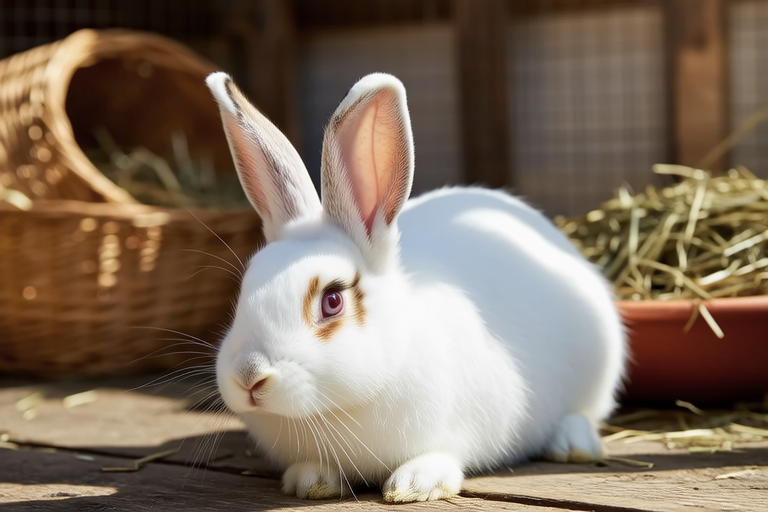
The Hotot rabbit is easily recognizable due to its striking white fur, framed by a black ring around each eye. This characteristic, often referred to as “eye makeup,” gives the breed a unique and almost otherworldly appearance. The white fur is silky and fine, contrasting beautifully with the dark eyes. These rabbits typically weigh between 4 to 6 pounds, making them medium-sized and well-suited for both indoor and outdoor living environments.
Hotots are known for their robust health and hardiness, traits that have contributed significantly to their popularity. Their strong bodies and resilient constitutions make them less prone to common rabbit ailments, ensuring they can thrive in various settings. Additionally, their compact size means they require less space, making them suitable for apartments and smaller homes.
Origin and Initial Purpose
The Hotot rabbit was first bred in France at the beginning of the 20th century by Eugenie Bernhard. Mrs. Bernhard’s goal was to create a rabbit that would excel in meat production and wool quality. She crossed the Checkered Giant rabbit with the White Deutscher to produce the Hotot. Her efforts resulted in a breed that was not only visually striking but also productive in terms of meat and wool yield.
In the farmyard setting, Hotots were valued for their prolific breeding capabilities and high-quality meat. They were also appreciated for their wool, which was used in crafting high-end textiles. Despite their initial purpose, these rabbits were noted for their docile temperaments, which made them relatively easy to handle and manage in farm settings.
The Transition to Pet Status
The journey of the Hotot from farmyard animal to beloved pet began in the mid-20th century. As more people sought companionship from their pets rather than solely focusing on utility, the Hotot’s appeal grew. Their calm demeanor and striking appearance made them attractive candidates for households looking for a unique and charming addition.
One significant factor in this transition was the shift in breeding practices. Breeders began to focus on enhancing the breed’s physical appearance while maintaining its health and temperament. This emphasis on aesthetics and temperament helped establish the Hotot as a breed distinct from its working origins. Today, Hotots are primarily bred for companionship, with breed standards emphasizing their eye rings and overall appearance.
The care requirements for Hotots also evolved to meet the needs of pet owners. Initially, their care was geared towards maximizing productivity, but as they became pets, their care shifted towards ensuring their comfort and happiness. Owners now prioritize providing a stimulating environment, proper nutrition, and regular veterinary check-ups.
Public Perception and Popularity
The public perception of Hotot rabbits has changed dramatically over the years. Initially viewed purely as livestock, they are now recognized for their value as pets. Their transition to popular pets can be attributed to several factors, including increased awareness of their unique appearance and gentle nature, as well as successful marketing campaigns by breeders and animal advocates.
Today, Hotots are widely regarded as ideal pets for families and individuals alike. Their calm and affectionate nature makes them excellent companions for children and adults. They are generally good-natured and enjoy human interaction, making them perfect for those seeking a pet that provides companionship without being overly demanding.
Ideal Pets Today
What makes Hotot rabbits ideal pets today is their combination of appearance, temperament, and size. Their medium size ensures they are manageable for most homes, and their gentle demeanor makes them suitable for households with children. Additionally, their low-maintenance grooming needs make them an attractive option for those who want a pet that doesn’t require extensive upkeep.
Hotots are intelligent and trainable, which enhances their compatibility with human families. They can learn simple commands and enjoy interactive play, which helps to keep them mentally stimulated and engaged. Their adaptability to different living conditions also contributes to their suitability as pets, whether in spacious homes or small apartments.
Grooming and Care Needs
Caring for a Hotot rabbit involves regular grooming to maintain their beautiful fur and prevent health issues. Weekly brushing helps remove loose hair and prevents the formation of hairballs. Regular nail trimming and ear cleaning are also essential to ensure their overall health.
Diet is another critical aspect of caring for Hotots. A balanced diet consisting of hay, fresh vegetables, and a small amount of pellets is recommended. It is important to avoid overfeeding and to provide plenty of fresh water. Proper nutrition supports their robust health and contributes to their longevity.
The Future of Hotot Rabbits
The future looks bright for Hotot rabbits as pets. With increasing urbanization, there is a growing demand for pets that can thrive in smaller spaces, and Hotots fit this requirement perfectly. Their popularity is likely to continue to grow as more people discover the joys of owning these unique and delightful creatures.
Breeders are continually working to improve the breed’s health and temperament, ensuring that future generations of Hotot rabbits will be even better companions. Additionally, advancements in veterinary care and pet nutrition are expected to enhance the overall well-being of these rabbits, contributing to their long-term success as pets.
In conclusion, the Hotot rabbit’s journey from farmyard to home is a testament to the versatility and adaptability of this breed. From their initial purpose as productive livestock to their current status as cherished pets, Hotots have proven themselves to be much more than just farm animals. Their unique appearance, gentle nature, and low-maintenance care make them ideal companions for many households. As the demand for small, adaptable pets continues to rise, Hotot rabbits are poised to remain popular choices for those seeking a special and loving pet.
