How to Care for Your Chameleon: A Comprehensive Guide for Pet Owners
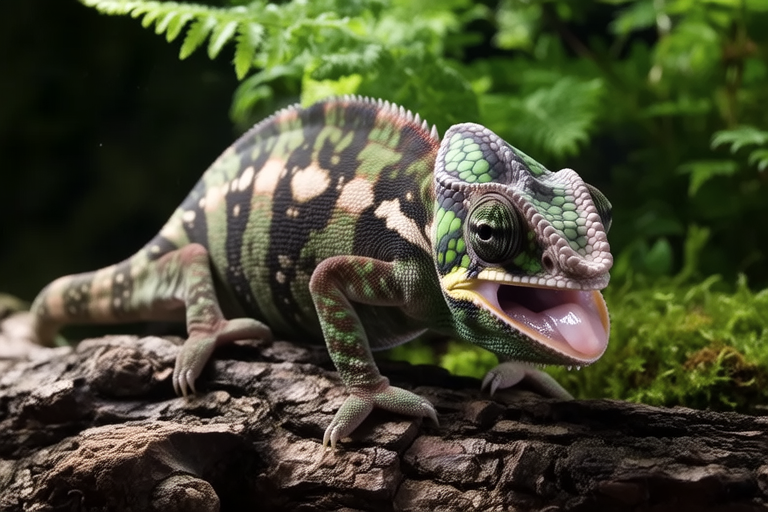
Welcome to the fascinating world of chameleons! These captivating reptiles have long intrigued humans with their unique physical traits and behaviors. Known for their ability to change color, their prehensile tails, and their zygodactyl feet (feet with two toes pointing forward and two backward), chameleons make for interesting and beautiful pets. However, their care requirements are quite specific, necessitating a dedicated owner willing to provide an environment that closely mimics their natural habitat. This guide will walk you through everything you need to know to care for your pet chameleon.
Housing Requirements
Creating the right environment for your chameleon is crucial for its health and well-being. The first step is choosing the right cage. Chameleons are arboreal creatures, meaning they spend most of their time climbing and perching. Therefore, a vertical enclosure is ideal. The cage should be large enough to allow for ample climbing space; for a full-grown adult, a minimum size of 36 inches wide by 48 inches tall is recommended. Larger enclosures are always preferable.
Lighting is another critical aspect of chameleon care. They require both UVB and UVA light for proper calcium metabolism and vitamin D synthesis. UVB bulbs should be replaced every six months, even if they still appear to work, as the UVB output diminishes over time. Position the bulb so that it provides a basking spot where the chameleon can get within 6 to 12 inches of the heat source. Additionally, a full-spectrum fluorescent light should be provided for UVA, which helps in regulating behavior and mood.
Temperature and humidity control are also vital. Chameleons thrive in a temperature range of 75-85°F during the day, with a slight drop at night. Basking spots should reach around 90-100°F. Humidity levels should be kept between 40% and 70%, with occasional spikes up to 100% during misting sessions. Proper ventilation is necessary to avoid stagnant air, which can lead to respiratory issues.
Diet Specifics
Chameleons are insectivores, meaning their diet consists primarily of insects. Common feeder insects include crickets, dubia roaches, silkworms, and hornworms. It’s essential to gut-load these insects with nutritious foods before offering them to your chameleon. Gut-loading involves feeding the insects a variety of vegetables, fruits, and commercial gut-load products for at least 24 hours before feeding them to your chameleon. This ensures that the chameleon gets more nutrients from each insect.
Feeding schedules vary depending on the age and size of the chameleon. Young chameleons may need to be fed daily, while adults can be fed every other day. Always offer a variety of insects to ensure a balanced diet. Avoid feeding wild-caught insects, as they may carry parasites or pesticides harmful to your pet.
Hydration is equally important. Chameleons obtain most of their water from the moisture in their environment. Misting the enclosure twice a day helps maintain the required humidity and provides drinking water. Some chameleons may also benefit from a shallow water dish, but many prefer to drink droplets from leaves.
Health Care
Regular health checks are necessary to catch any potential issues early. Common health problems in chameleons include metabolic bone disease, respiratory infections, and parasites. Signs of metabolic bone disease include softening of the bones, difficulty moving, and swelling of the lower jaw. Respiratory infections can manifest as wheezing, labored breathing, and mucus discharge. Parasites can cause weight loss, lethargy, and diarrhea.
To maintain a healthy chameleon, keep the enclosure clean and free from stressors. Regular vet check-ups are recommended, especially for new chameleons and those showing signs of illness. Quarantine new additions to the household for at least 30 days to prevent the spread of diseases.
Handling and Social Interaction
Chameleons are generally solitary animals in the wild and do not require social interaction from their owners. Handling should be kept to a minimum, as excessive handling can cause stress. When handling is necessary, always support the chameleon’s body fully, avoiding pressure on the chest or abdomen. Keep handling sessions short and calm.
Providing enrichment activities can help stimulate your chameleon mentally and physically. Introduce new branches, vines, and plants to the enclosure regularly. Rotate toys and decorations to keep the environment fresh and engaging. Climbing structures should be varied, allowing for different heights and angles to encourage movement and exploration.
Conclusion
Caring for a chameleon is a rewarding endeavor that requires dedication and knowledge. By providing the correct housing, diet, and healthcare, you can ensure your chameleon lives a long and healthy life. Remember, each chameleon is unique, and what works for one may not work for another. Stay informed, adapt to your pet’s needs, and enjoy the beauty and uniqueness of your chameleon companion.
