Beginner’s Guide to Japalura: A Unique Exotic Bird
Welcome to the world of the Japalura, a fascinating and unique exotic bird that has captured the hearts of many avian enthusiasts. Known for its striking appearance and engaging personality, the Japalura is a delightful addition to any aviary. This guide will introduce you to the splendor of the Japalura, providing all the necessary information for both novice and experienced bird owners alike.
Introduction: What Makes the Japalura Unique?
The Japalura, also known as the Javan Green Magpie or Java Green Magpie, is a species of bird native to the Indonesian islands of Java and Bali. Unlike many other exotic birds, the Japalura is not widely known outside of its natural habitat, making it a rare and exciting choice for those seeking a unique pet. With its vibrant green plumage, sharp intelligence, and distinctive vocalizations, the Japalura stands out from the crowd. Its rarity and beauty make it a sought-after bird among collectors and hobbyists.
Appearance: A Feast for the Eyes
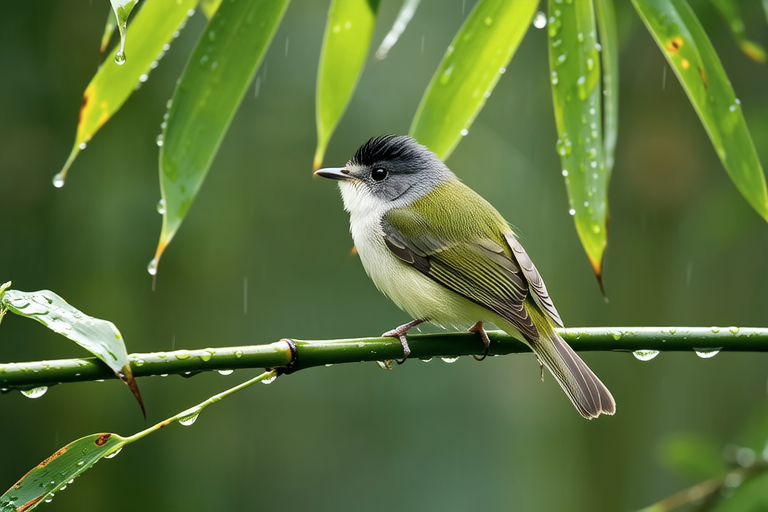
The Japalura’s most striking feature is its bright green plumage, which contrasts beautifully with its black wings and tail. The bird’s eyes are a piercing yellow, adding to its exotic appeal. Male and female Japaluras have similar appearances, though males tend to be slightly larger. Their sleek, compact bodies are well-suited for agile movements, making them a joy to watch. These birds have a slender build and long tails, which they use for balance and communication. Their feet are strong and adapted for perching, ensuring they can navigate their environment with ease.
Behavior: Intelligent and Social Creatures
Japaluras are known for their intelligence and social nature. They are highly curious birds, often exploring their surroundings with great enthusiasm. In captivity, they quickly learn to interact with their human companions, responding to familiar voices and gestures. Their playful behavior and willingness to engage in activities like foraging and problem-solving make them enjoyable pets. However, Japaluras can be somewhat shy when first introduced to new environments, so patience and gentle handling are essential during the initial stages of bonding.
Dietary Needs: Nourishing the Japalura
Maintaining a healthy diet is crucial for the well-being of your Japalura. Their diet should consist primarily of a high-quality commercial bird food, supplemented with fresh fruits and vegetables. Suitable foods include apples, bananas, oranges, and leafy greens. It’s important to ensure that any food offered is free from pesticides and thoroughly washed. Additionally, providing a variety of seeds and nuts can help meet their nutritional needs. Fresh water should always be available, and it’s recommended to change it daily to prevent bacterial growth.
Housing Requirements: Creating a Comfortable Environment
Proper housing is essential for the health and happiness of your Japalura. The cage should be spacious enough to allow for movement and exercise, with dimensions of at least 3 feet by 2 feet by 4 feet being ideal. The cage should be equipped with perches of varying diameters to promote foot strength and prevent boredom. Providing a variety of toys and enrichment items will keep your bird mentally stimulated and engaged. Additionally, ensure that the cage is placed in a quiet area away from direct sunlight and drafts. Regular cleaning and maintenance of the cage are vital to prevent the buildup of bacteria and ensure a clean living space.
Challenges and Rewards: Owning a Japalura
Owning a Japalura comes with its share of challenges, but the rewards are immeasurable. One of the primary challenges is the initial adjustment period, during which the bird may be shy and reluctant to interact. Patience and consistent interaction are key to overcoming this hurdle. Another challenge is ensuring that the bird receives proper nutrition and exercise, which requires attention to detail and commitment. Despite these challenges, the bond formed between owner and bird can be incredibly rewarding. The joy of watching your Japalura thrive and grow in your care is truly special.
Tips for Beginners: Caring for Your Japalura
For beginners, there are several tips to ensure successful care of your Japalura. First, establish a routine for feeding and cleaning to maintain consistency. Second, provide plenty of mental stimulation through toys and activities. Third, spend time each day interacting with your bird to build trust and strengthen the bond. Finally, seek advice from experienced owners and veterinarians to address any concerns or issues that arise. By following these tips, you can create a nurturing environment that supports the health and happiness of your Japalura.
Conclusion: Further Resources for Prospective Owners
As you embark on the journey of owning a Japalura, it’s beneficial to continue learning about their care and well-being. Many books and articles are available on exotic bird care, offering valuable insights and guidance. Joining local bird clubs or online communities can also provide support and advice from fellow enthusiasts. Additionally, consulting with veterinarians who specialize in exotic birds can ensure that your Japalura receives the best possible care. By staying informed and connected with the community, you can enjoy the wonderful experience of owning a Japalura.
