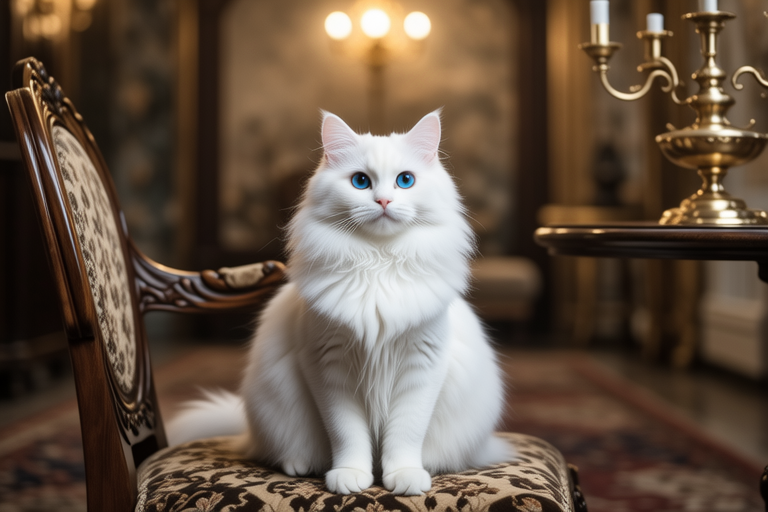
The Evolutionary Journey of Turkish Angora Cats
From their origins as royal pets to beloved companions worldwide, Turkish Angora cats have captivated the hearts of many with their elegance and grace. This article explores the historical roots, cultural significance, and evolutionary journey of these felines, delving into their defining characteristics, notable mentions in history and literature, and examining how their role has transformed over centuries.
Historical Roots and Cultural Significance
Turkish Angora cats have a rich history dating back thousands of years. Originating from the Ankara region of central Turkey, these cats were highly valued for their beauty and agility. They were often kept as royal pets by sultans and nobility, symbolizing wealth and status. The breed’s name, “Angora,” comes from the city of Ankara (formerly known as Angora), where these cats were first discovered.
In ancient times, Turkish Angoras were considered sacred and were often associated with mythology. They were believed to possess magical powers and were thought to bring good luck to their owners. These beliefs were deeply ingrained in Turkish culture, and the cats were revered as protectors and guardians. Their presence in royal households was a testament to their importance, and they were often given as gifts to foreign dignitaries.
Key Characteristics
Turkish Angoras are known for their striking appearance, with long, silky coats and large, expressive eyes. They come in a variety of colors, including white, black, blue, red, and cream, with or without tabby markings. Their most distinctive feature is their coat, which is typically semi-longhaired and fine-textured. The breed is also known for its graceful, elegant movements and alert demeanor.
Beyond their physical attributes, Turkish Angoras are highly intelligent and curious cats. They are known for their playful nature and love of interactive play. They are also very vocal, often communicating with their owners through chirping and trilling sounds. Despite their independent nature, Turkish Angoras form strong bonds with their human companions and are known for their loyalty and affection.
Notable Mentions in History and Literature
Turkish Angoras have been mentioned in various historical texts and literary works throughout the centuries. In the 16th century, French naturalist Pierre Belon wrote about the breed in his book “Observations on Natural History.” He described the cats as “beautiful and gentle” and noted their popularity among the wealthy and powerful.
During the Ottoman Empire, Turkish Angoras were often depicted in paintings and sculptures. One famous painting, “The Sultan’s Cat,” by Turkish artist Osman Hamdi Bey, portrays a Turkish Angora sitting beside the Sultan, highlighting the breed’s close association with royalty. In literature, Turkish Angoras have been featured in numerous novels and poems, often symbolizing elegance, grace, and mystery.
The Transformation of Their Role Over Centuries
Over the centuries, the role of Turkish Angoras has evolved significantly. While they were once reserved for the elite, they are now cherished by cat lovers around the world. In the 20th century, Turkish Angoras began to gain recognition as a distinct breed and were introduced to cat shows and registries. The International Cat Association (TICA) recognized the breed in 1973, and it has since become one of the most popular breeds in the world.
Today, Turkish Angoras are beloved companions for families and individuals alike. They are known for their adaptability and ability to thrive in various environments, from apartments to rural homes. Their intelligence and curiosity make them excellent companions for those who enjoy interactive play and mental stimulation. Additionally, their affectionate nature makes them ideal pets for those seeking a loyal and loving companion.
Modern-Day Insights into Care, Health, and Bonding
Caring for a Turkish Angora requires attention to their specific needs, particularly regarding grooming and diet. Their semi-longhaired coats require regular brushing to prevent matting and tangling. It is recommended to brush their fur at least twice a week to keep it healthy and shiny. Additionally, providing them with a high-quality diet that meets their nutritional requirements is essential for maintaining their overall health and well-being.
Turkish Angoras are generally healthy cats, but they can be prone to certain genetic conditions, such as hypertrophic cardiomyopathy (HCM). Regular veterinary check-ups and screenings can help identify and manage these conditions early on. It is also important to provide them with plenty of mental and physical stimulation to prevent boredom and behavioral issues.
The unique bond between Turkish Angoras and their human companions is a testament to their affectionate and loyal nature. Many owners describe their cats as “shadow cats,” always following them around and seeking out their company. This bond is formed through mutual trust and understanding, and it is something that both parties cherish deeply.
Conclusion
The evolutionary journey of Turkish Angora cats is a fascinating tale of transformation and adaptation. From their origins as royal pets to their current status as beloved companions, these cats have captured the hearts of many with their elegance and grace. Their defining characteristics, notable mentions in history and literature, and the unique bond they share with humans make them a truly special breed. As we continue to learn more about their care, health, and behavior, we can ensure that these magnificent cats will remain cherished by generations to come.
