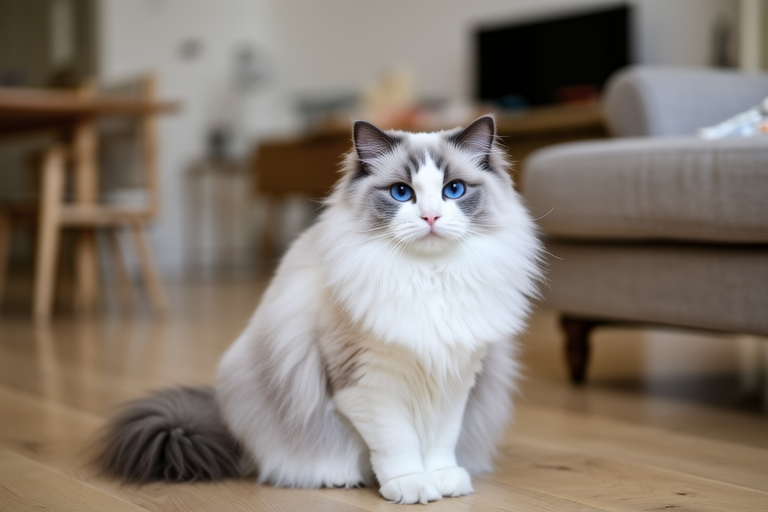
Living with a Turkish Angora: What Every Owner Needs to Know
Welcome to the world of Turkish Angoras! These elegant, intelligent cats have been captivating hearts for centuries. This article will guide you through everything you need to know about living with a Turkish Angora, from understanding their rich history to meeting their specific care needs.
The Rich History of Turkish Angoras
The Turkish Angora is one of the oldest domesticated cat breeds, with roots tracing back to ancient Turkey. Historically, these cats were highly valued for their beautiful coats and lively dispositions. They were often kept in royal harems, where they were pampered and protected. Today, Turkish Angoras are cherished for their striking appearance and unique personalities.
Turkish Angora Temperament
Turkish Angoras are known for their affectionate and playful nature. They thrive on human interaction and enjoy being part of family activities. While they can be independent, they also crave companionship and are often found following their owners around the house. Their intelligence makes them curious and inquisitive, always eager to explore new environments.
Grooming Needs
Despite their luxurious coats, Turkish Angoras are relatively low-maintenance when it comes to grooming. Regular brushing once or twice a week helps to remove loose hair and prevent matting. Bathing is generally unnecessary unless your cat gets particularly dirty. Additionally, regular nail trimming and dental care are important to maintain their overall health.
Health Considerations
Turkish Angoras are generally healthy cats, but like all breeds, they are prone to certain genetic conditions. Common issues include hypertrophic cardiomyopathy, a heart condition that can lead to sudden death if left untreated. Regular veterinary check-ups and early intervention can significantly improve their quality of life. It’s also essential to monitor their weight to avoid obesity-related health problems.
Dietary Requirements
A balanced diet is crucial for maintaining your Turkish Angora’s health. High-quality cat food that meets their nutritional needs should be the foundation of their diet. Consult with your veterinarian to determine the best type and amount of food for your cat based on age, activity level, and any specific health concerns. Fresh water should always be available, and treats should be given sparingly to avoid excessive calorie intake.
Exercise Recommendations
Although Turkish Angoras are generally calm and sedentary, they still require regular physical activity to stay healthy. Interactive toys, climbing structures, and play sessions with their owners can provide mental stimulation and keep them active. Puzzle feeders are also great for encouraging problem-solving and providing mental exercise. Remember, keeping your cat physically and mentally engaged is key to their well-being.
Common Behaviors
Turkish Angoras exhibit a range of endearing behaviors that make them delightful companions. They are known for their vocal communication, often chirping, meowing, or trilling to express themselves. Some Turkish Angoras may develop a habit of bringing small objects into their owners’ laps as gifts. Understanding and responding positively to these behaviors can strengthen your bond with your cat.
Building a Strong Bond
Establishing trust and mutual respect is vital for a strong relationship with your Turkish Angora. Spend quality time together each day, engaging in activities that both of you enjoy. Patience and consistency are key when introducing new routines or changes to your cat’s environment. Over time, you’ll develop a deep connection with your Turkish Angora, making every moment spent together even more special.
Conclusion
Owning a Turkish Angora is a rewarding experience filled with love, companionship, and joy. By understanding their history, temperament, grooming needs, health considerations, dietary requirements, exercise recommendations, and common behaviors, you can provide the best possible care for your feline friend. With patience, dedication, and a willingness to learn, you’ll build a lasting bond that enriches both your lives.
