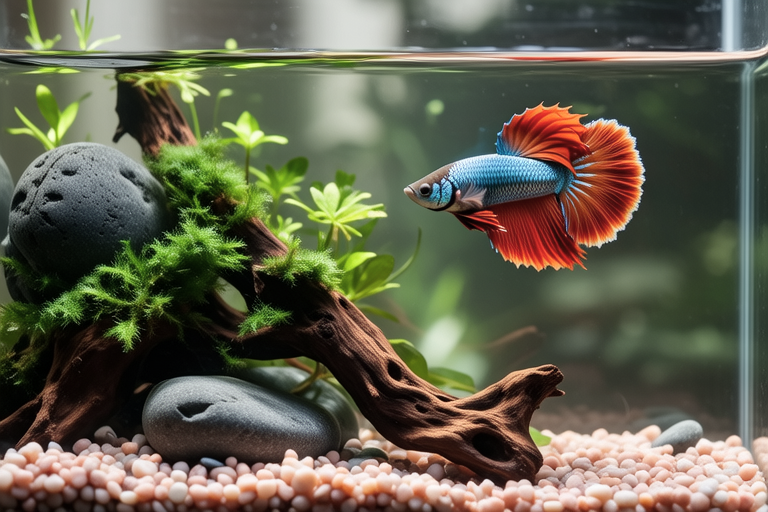
DIY Guide: Setting Up an Impressive Aquascape for Betta Fish
Welcome to your comprehensive guide to creating an impressive aquascape specifically tailored for betta fish. Whether you’re a beginner or an experienced aquarium enthusiast, this guide will walk you through every step, ensuring your betta has a healthy, vibrant, and aesthetically pleasing environment.
Understanding Betta Fish Habitat
Betta fish, also known as Siamese fighting fish, thrive in tropical environments. They are native to Southeast Asia, where they live in shallow waters such as rice paddies, slow-moving streams, and ponds. In captivity, bettas need a well-maintained habitat with specific water conditions, including temperature, pH, and hardness. Properly setting up their environment is crucial for their health and happiness.
Selecting the Right Aquarium
Choose a tank size that accommodates your betta’s needs. While some recommend at least five gallons, a ten-gallon tank offers more space for plants, decorations, and improved water quality. A larger tank also reduces the frequency of water changes, making maintenance easier.
Substrate Selection
The substrate forms the base of your aquascape and contributes to its aesthetic appeal. Opt for fine gravel or sand to mimic natural habitats. Avoid sharp-edged substrates that may injure your betta. Substrates like crushed coral can alter water chemistry, so choose carefully based on your betta’s specific requirements.
Water Parameters
Maintaining optimal water parameters is essential for your betta’s health. Aim for a temperature range of 76°F to 82°F (24°C to 28°C) and a pH level between 6.5 and 7.5. Use a heater to maintain consistent temperature and a pH test kit to monitor acidity. Regular water changes and proper filtration help stabilize these parameters.
Filtration Systems
Invest in a reliable filtration system to keep the water clean and oxygenated. Choose a filter that suits your tank size and provides gentle water flow to prevent stress. Betta fish prefer calm waters, so avoid powerful filters that create strong currents.
Plant Choices
Plants play a vital role in your aquascape, offering hiding spots, reducing algae growth, and improving water quality. Choose hardy, low-light plants like Java fern, Amazon swords, and Anubias. These plants thrive under minimal lighting and don’t require frequent trimming. Ensure they are suitable for your tank’s water parameters and compatible with your betta’s behavior.
Hiding Spots and Open Swimming Areas
Provide ample hiding spots for your betta to feel secure and reduce stress. Incorporate caves, driftwood, and artificial plants. Ensure there are also open swimming areas for your betta to swim freely. Balance between hiding spots and open spaces to create a harmonious environment.
Tank Decorations
Enhance the aesthetic appeal of your aquascape with decorations that complement your chosen theme. Use rocks, driftwood, and ornaments to create a visually appealing layout. Choose decorations that won’t harm your betta, avoiding sharp edges and small parts that could be ingested. Ensure they are non-toxic and safe for aquatic life.
Maintaining Water Quality
Regular water changes are crucial for maintaining water quality. Replace approximately 25% of the water weekly, ensuring the new water matches the existing water’s temperature and pH. This prevents sudden changes that could stress your betta. Test the water regularly for ammonia, nitrite, and nitrate levels to ensure they remain within safe limits.
Lighting and Cycling
Proper lighting is essential for plant growth and enhances the overall appearance of your aquascape. Use LED lights that provide a full spectrum of light. Avoid overly bright or intense lighting that could cause algae growth. Remember to cycle your tank before adding your betta to establish beneficial bacteria that break down waste products.
Feeding and Monitoring
Feed your betta a balanced diet of high-quality pellets and occasional treats like frozen bloodworms. Monitor their feeding habits to ensure they are eating appropriately. Remove any uneaten food after five minutes to prevent water pollution.
Additional Tips
- Consider using a divider if housing multiple bettas to prevent aggression.
- Introduce new elements gradually to allow your betta to adjust.
- Keep a close eye on your betta’s behavior and appearance for signs of stress or illness.
- Consult with experts or online communities for personalized advice and support.
Conclusion
Creating an impressive aquascape for your betta fish involves careful planning and attention to detail. By selecting the right tank, substrate, water parameters, filtration systems, and plants, you can provide your betta with a healthy, vibrant, and aesthetically pleasing environment. Remember to maintain water quality, offer hiding spots and open swimming areas, and enhance the aesthetic appeal with appropriate decorations. With this guide, you’re well on your way to building a thriving aquascape that will delight both you and your betta.
