The Dual Perception of the Chilean Rose Tarantula
The Chilean Rose Tarantula (Grammostola rosea) has long been a subject of fascination among arachnophiles and casual observers alike. This spider, native to the deserts of South America, is known for its distinctive pinkish hue and docile temperament, yet it also evokes feelings of fear and unease in many people. The duality of its appeal lies in its unique blend of cuteness and eeriness, which is further compounded by its behavior and care requirements.
Appearance: A Blend of Cute and Creepy
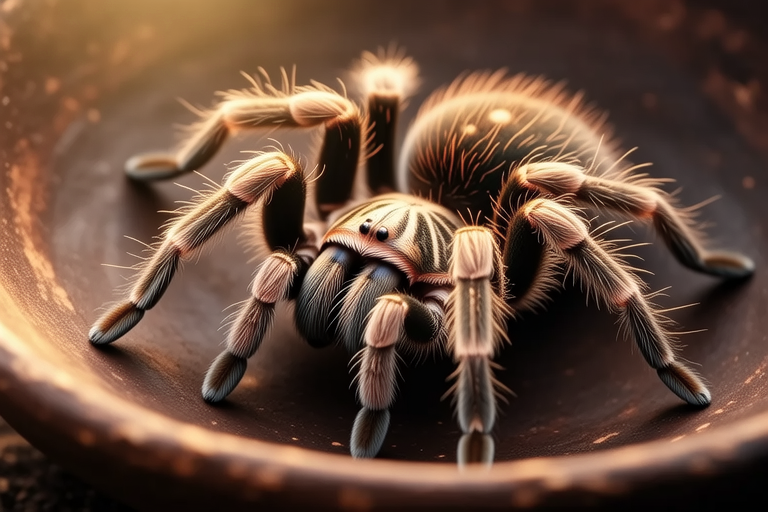
At first glance, the Chilean Rose Tarantula appears almost cartoonish. Its soft, velvety fur and delicate-looking legs can seem almost endearing, reminiscent of a plush toy. However, its size—reaching up to 4 inches in length—and the eight beady eyes positioned around its face give it an otherworldly appearance that can be unsettling. The spider’s coloration ranges from light tan to a deep rose, with darker stripes along its legs, adding to its striking look.
Experts suggest that the spider’s cuteness stems from its seemingly innocent demeanor, which contrasts sharply with its intimidating appearance. Dr. Sarah Thompson, an arachnologist at the University of Arizona, explains, “The Chilean Rose Tarantula’s appearance is deceiving. It looks like something you’d find in a children’s book, but its presence can still be overwhelming for those who aren’t familiar with spiders.”
Behavior: Gentle Yet Mysterious
One of the reasons why the Chilean Rose Tarantula is often seen as both adorable and eerie is its behavior. These spiders are generally calm and docile, making them ideal candidates for handling. They rarely bite unless provoked, and their venom is mild, causing only minor irritation similar to a bee sting. Their slow movements and gentle demeanor contribute to their ‘cute’ image.
However, their nocturnal habits and tendency to hide during the day add an element of mystery. They prefer to remain hidden in burrows or under rocks, emerging only at night to hunt. This secretive behavior can make them seem eerie to some, especially when compared to more active pets like dogs or cats.
Care Requirements: Simple Yet Specific
Maintaining a Chilean Rose Tarantula as a pet requires specific care, including appropriate housing, temperature, humidity, and diet. A terrarium with a secure lid is essential, providing the spider with a safe space to explore and burrow. The enclosure should be large enough for the spider to move comfortably and include a substrate that allows for digging. The ideal substrate is coconut fiber or a mix of soil and sand.
Temperature and humidity levels must be carefully controlled to mimic the spider’s natural habitat. Experts recommend maintaining a temperature range of 75-85°F (24-29°C) and a humidity level of 60-80%. Proper ventilation is crucial to prevent mold growth and ensure the spider’s health.
Diet-wise, these spiders are carnivorous and feed primarily on insects such as crickets, mealworms, and dubia roaches. Feeding once or twice a week is sufficient, depending on the spider’s size and appetite. Regular feeding schedules help maintain the spider’s health and well-being.
Common Misconceptions About Tarantulas
Despite their gentle nature, many people harbor misconceptions about tarantulas. One of the most common myths is that all tarantulas are aggressive and dangerous. In reality, most species are quite docile and pose little threat to humans. Another misconception is that tarantulas require constant attention and interaction, much like dogs or cats. While they can be handled, they are solitary animals and do not need companionship.
Dr. Thompson adds, “Tarantulas are often misunderstood. They’re not pets that you play with or cuddle; they’re fascinating creatures that offer a different kind of companionship. They’re low-maintenance and can be a great choice for someone looking for a unique pet.”
Tips for Potential Owners
For those considering a Chilean Rose Tarantula as a pet, there are several important factors to consider. First, ensure you have the necessary equipment and knowledge before bringing one home. Researching the spider’s care needs thoroughly is crucial. Joining local or online communities dedicated to tarantula enthusiasts can provide valuable advice and support.
Second, be prepared for the commitment. Tarantulas can live up to 15 years, so adopting one is a long-term responsibility. Regular maintenance of the enclosure, including cleaning and substrate replacement, is necessary to keep the spider healthy. Additionally, monitoring the spider’s behavior for signs of stress or illness is important.
Lastly, respect the spider’s space and avoid handling it excessively. While they can be handled, too much interaction can cause stress and potentially lead to biting. Always approach your tarantula with caution and respect its boundaries.
Society’s Fascination: Challenging Traditional Views on Pets
The increasing popularity of tarantulas as pets reflects a broader societal shift in what we consider suitable companions. Traditionally, pets have been limited to mammals like dogs, cats, and rodents. However, the rise of exotic pets, including reptiles, amphibians, and arachnids, challenges these conventional norms.
This trend suggests a growing appreciation for biodiversity and a desire for unique experiences. Owning a Chilean Rose Tarantula offers a chance to connect with wildlife in a way that is both educational and rewarding. It also highlights the importance of responsible pet ownership, ensuring that the needs of the animal are prioritized over human preferences.
In conclusion, the Chilean Rose Tarantula embodies the duality of cuteness and eeriness that makes it both appealing and intimidating. Its unique appearance, gentle behavior, and specific care requirements set it apart from more conventional pets. By understanding and respecting these aspects, potential owners can enjoy the rewarding experience of caring for one of nature’s most intriguing creatures. As society continues to embrace a wider variety of pets, the Chilean Rose Tarantula stands as a testament to the diverse ways in which humans and animals can coexist.
