Siamese Secrets: What Every Siamese Cat Owner Should Know
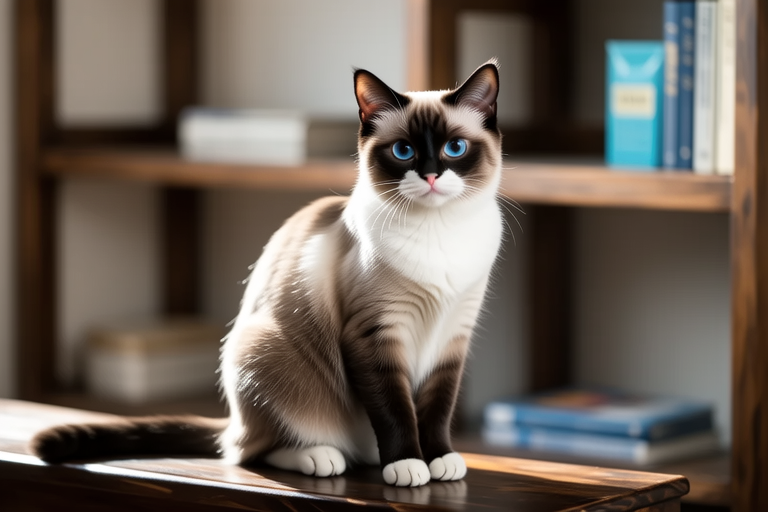
Welcome to the enchanting world of Siamese cats! Known for their striking blue almond-shaped eyes, sleek coats, and distinctive vocalizations, these felines have captured the hearts of many cat lovers around the globe. Whether you’re a seasoned pet owner or a first-timer, this guide will provide you with valuable insights into the unique personalities, care requirements, health concerns, dietary needs, and historical background of Siamese cats. We’ll also dispel some common myths and offer practical tips to help you thrive as a Siamese cat owner.
A Brief History of Siamese Cats
The origins of Siamese cats can be traced back to Thailand, formerly known as Siam. These elegant creatures were highly revered by the Thai people and often kept in royal palaces. According to legend, Siamese cats guarded sacred objects and used their tails to cool down the hands and feet of sleeping royalty. The first Siamese cats arrived in Britain in the late 19th century, where they quickly gained popularity for their striking appearance and unique personalities.
Siamese cats were introduced to the United States in the early 20th century, and their popularity has only grown since then. Today, they are one of the most popular breeds of cats in the world, cherished for their intelligence, loyalty, and playful nature.
Unique Personalities of Siamese Cats
Siamese cats are known for their outgoing and affectionate personalities. They are incredibly social animals that thrive on human interaction and companionship. If you’re looking for a cat that enjoys being around people and participating in family activities, a Siamese might be the perfect fit for your household.
One of the most notable traits of Siamese cats is their vocal nature. They are often described as “chatty” and will frequently communicate with their owners through meows, chirps, and other vocalizations. While some may find this behavior charming, others may find it overwhelming. It’s important to understand that your Siamese cat is simply expressing its emotions and seeking attention.
In addition to their vocal tendencies, Siamese cats are highly intelligent and curious. They enjoy exploring their surroundings and can be quite mischievous at times. Providing them with plenty of toys and interactive playtime is essential to keep them mentally stimulated and happy.
Care Requirements for Siamese Cats
Siamese cats are generally low-maintenance when it comes to grooming, but there are still some important care considerations to keep in mind. Their short, fine coats require minimal brushing, typically once a week, to remove loose hair and prevent matting. However, regular brushing can also help reduce shedding and minimize hairballs.
Siamese cats are prone to dental issues, so it’s crucial to maintain good oral hygiene. Brushing their teeth regularly and providing them with appropriate chew toys can help prevent dental problems. Additionally, scheduling routine veterinary check-ups is essential to monitor their overall health and catch any potential issues early on.
Siamese cats are sensitive to temperature changes and prefer warmer environments. Providing them with cozy bedding and ensuring they have access to comfortable resting spots is important. They also enjoy being near windows, so consider placing their beds in areas where they can watch birds and other outdoor activities.
Health Concerns for Siamese Cats
Like all breeds, Siamese cats are susceptible to certain health conditions. One of the most common issues affecting Siamese cats is progressive retinal atrophy (PRA), a degenerative eye disease that can lead to blindness. Regular eye exams and genetic testing can help identify and manage this condition.
Another concern for Siamese cats is dental disease, which can cause pain, infection, and tooth loss if left untreated. Maintaining proper dental hygiene, as mentioned earlier, is crucial for preventing these issues. Other health problems that may affect Siamese cats include respiratory infections, heart disease, and liver disorders. Regular veterinary care and a healthy diet can help mitigate these risks.
Dietary Needs of Siamese Cats
Siamese cats have specific dietary needs that must be met to ensure optimal health and longevity. A balanced diet rich in protein, vitamins, and minerals is essential for maintaining their muscle mass, energy levels, and overall well-being. High-quality commercial cat food formulated for adult cats is generally sufficient, but consulting with a veterinarian can help determine the best dietary options based on your Siamese cat’s individual needs.
It’s important to avoid overfeeding Siamese cats, as they are prone to obesity. Obesity can lead to a range of health problems, including diabetes, joint issues, and reduced lifespan. Feeding them measured portions and providing opportunities for exercise can help maintain a healthy weight.
In addition to their regular meals, Siamese cats may benefit from occasional treats. However, treats should be given sparingly and in moderation to avoid disrupting their balanced diet. Fresh water should always be available to keep them hydrated.
Tips for First-Time Owners
If you’re new to owning a Siamese cat, there are several things to keep in mind to ensure a smooth transition and a happy, healthy relationship:
- Provide plenty of attention: Siamese cats thrive on human interaction and companionship. Spend quality time with your cat, playing, cuddling, and engaging in interactive activities.
- Create a stimulating environment: Siamese cats are curious and intelligent, so providing them with a variety of toys and climbing structures can help keep them entertained and mentally stimulated.
- Establish routines: Siamese cats appreciate structure and predictability. Establishing consistent feeding, play, and bedtime routines can help them feel secure and comfortable in their new home.
- Be patient: Like any new pet, a Siamese cat may take some time to adjust to its new surroundings. Be patient and give your cat space to settle in while providing plenty of love and support.
Dispelling Common Myths About Siamese Cats
Despite their popularity, there are several misconceptions surrounding Siamese cats. Let’s address some of the most common myths:
Myth: Siamese cats are aggressive. In reality, Siamese cats are known for their gentle and affectionate nature. While they can be vocal and assertive, aggression is not a typical trait of the breed. With proper socialization and positive reinforcement, Siamese cats can become loving and loyal companions.
Myth: Siamese cats are high-maintenance. While Siamese cats do require attention and companionship, they are generally low-maintenance when it comes to grooming and care. As long as their basic needs are met, they can be relatively easy to care for.
Myth: Siamese cats are indoor-only cats. While many cat owners choose to keep their pets indoors for safety reasons, Siamese cats can adapt to both indoor and outdoor living. However, it’s important to weigh the pros and cons of each option and make an informed decision based on your individual circumstances.
Conclusion
Siamese cats are truly remarkable creatures with unique personalities, care requirements, and histories. By understanding their needs and providing them with the love and attention they deserve, you can create a fulfilling and joyful life together. Remember to stay informed about their health, diet, and behavior, and don’t hesitate to seek professional advice when needed. With the right approach, owning a Siamese cat can be an enriching and rewarding experience for both you and your feline friend.
