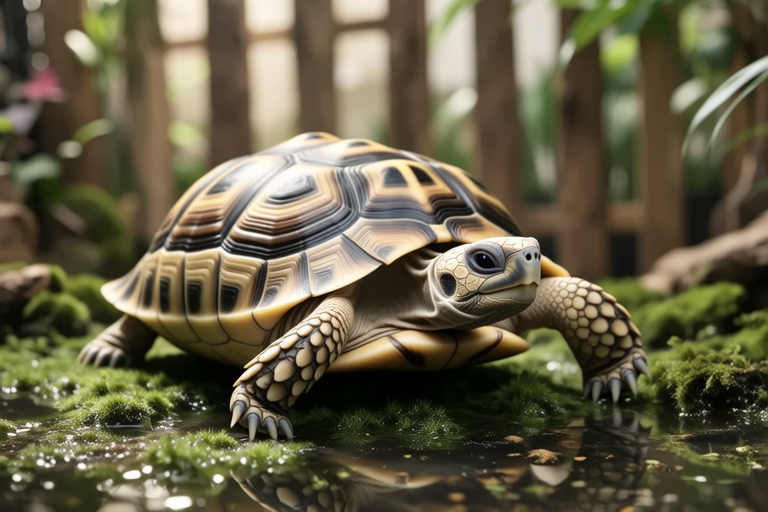
How to Create an Ideal Habitat for Your Captivating Three-Striped Box Turtle
The three-striped box turtle is a captivating reptile known for its distinctive shell patterns and charming demeanor. Providing them with an ideal habitat is crucial for their health and well-being. This comprehensive guide will walk you through creating a perfect environment for your three-striped box turtle, covering everything from enclosure size and substrate types to temperature, humidity, lighting, and dietary considerations.
Enclosure Size
The first step in creating a suitable habitat for your three-striped box turtle is ensuring that it has enough space to thrive. An enclosure that’s too small can lead to stress and health issues. A general rule of thumb is to provide at least 10 square feet of floor space for each adult turtle. For juveniles, a slightly smaller area may suffice, but they will need more space as they grow.
Substrate Types Suitable for Their Health
The type of substrate you choose plays a significant role in maintaining your turtle’s health. Some popular options include coconut fiber, cypress mulch, and reptile carpet. These substrates help retain moisture, which is essential for humidity control. Avoid using sand or gravel as they can cause impaction if ingested.
Necessary Temperature and Humidity Levels
Three-striped box turtles require specific temperature and humidity ranges to remain healthy. The basking area should be maintained between 85°F and 90°F (29°C to 32°C), while the cooler end of the enclosure should range from 75°F to 80°F (24°C to 27°C). Maintain humidity levels between 60% and 80% by misting the enclosure regularly and providing a water area large enough for soaking.
UV Lighting Requirements
UVB lighting is vital for calcium metabolism and overall health. Invest in a high-quality UVB bulb designed specifically for reptiles, and position it so that it covers approximately 50% of the enclosure. Replace the bulb every six months, even if it still appears functional, to ensure optimal output.
Water Area Specifications
A water area is essential for hydration and hygiene. It should be large enough for the turtle to fully submerge itself, allowing it to swim freely. Ensure the water is clean and shallow enough for easy entry and exit. Change the water daily to prevent bacterial growth.
Diet Considerations Within Their Habitat
Providing a balanced diet is key to keeping your turtle healthy. Offer a variety of foods, including leafy greens, fruits, insects, and commercial turtle pellets. Place food in a shallow dish to prevent drowning. Rotate the location of the food dish periodically to encourage exploration and natural foraging behavior.
Hiding Spots and Basking Areas Placement
Incorporate hiding spots and basking areas to mimic their natural environment. Hiding spots can be created using half logs, caves, or plastic plants. Position the basking area under the UVB light source to ensure adequate heat and light exposure. Ensure these areas are easily accessible and offer a sense of security.
Safety Measures to Ensure Longevity
To ensure the longevity of your three-striped box turtle, take several precautions. Secure the enclosure to prevent escapes and protect against predators. Use a screen lid instead of glass to allow for proper ventilation. Regularly check for sharp edges or dangerous objects within the enclosure that could harm your pet.
Regular Maintenance and Environmental Enrichment
Maintaining a clean and stimulating environment is essential for your turtle’s happiness and health. Clean the enclosure weekly, removing waste and debris. Provide environmental enrichment by rotating toys, rearranging furniture, and offering new experiences. This helps stimulate natural behaviors and mental stimulation.
Cleaning Schedule
- Weekly: Remove waste and debris from the enclosure. Clean the water area and replace the water.
- Bimonthly: Thoroughly clean the entire enclosure, disinfecting all surfaces and replacing any worn-out materials.
- Monthly: Check the substrate for signs of wear and replace if necessary.
Environmental Enrichment Tips
- Introduce new toys or objects for your turtle to explore.
- Rearrange the furniture within the enclosure to encourage exploration.
- Offer different types of food in various locations to promote natural foraging behavior.
- Provide opportunities for social interaction, if applicable.
Conclusion
Creating an ideal habitat for your three-striped box turtle requires attention to detail and commitment. By following the guidelines outlined in this article, you can provide a safe, comfortable, and enriching environment that promotes longevity and well-being. Remember, the key to a happy turtle is a well-maintained and stimulating home. Regular care and observation will ensure your pet thrives for years to come.
