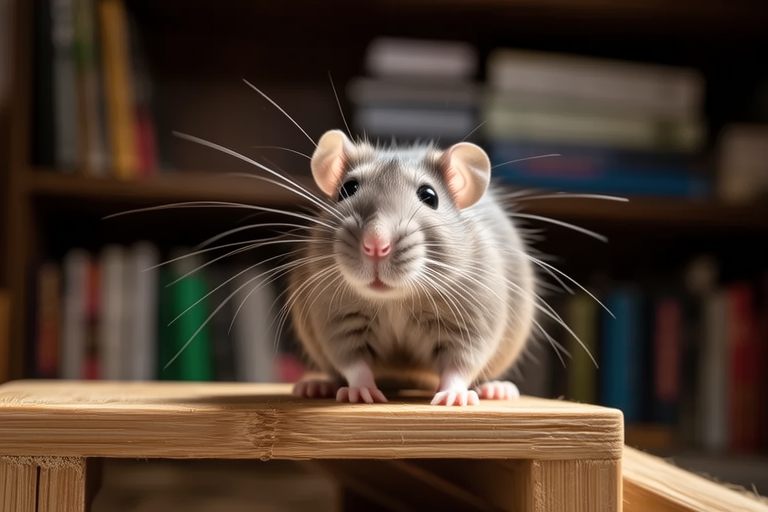
Fancy Rats: Intelligent, Social, and Underappreciated Pets
When most people think of rats, they envision disease-carrying vermin scurrying through the sewers or causing chaos in urban environments. However, these perceptions are largely based on misconceptions. In reality, fancy rats are intelligent, social creatures that make excellent companions for those willing to learn more about them. This article aims to explore the often-overlooked world of fancy rats, highlighting their intelligence, social nature, and unique behaviors. We will also address common misconceptions about rats and provide evidence-based information to reveal their true character. Additionally, we will offer insights into their care, training capabilities, and interactions with humans.
The Intelligence of Fancy Rats
Fancy rats possess an impressive level of intelligence that is often underestimated. They can solve puzzles, navigate mazes, and even perform simple tasks when trained. Their cognitive abilities rival those of dogs and cats, making them highly trainable pets. For instance, rats have been shown to understand basic cause-and-effect relationships, which allows them to learn tricks such as fetching objects or pressing levers for rewards. Moreover, studies conducted by scientists at the University of Edinburgh demonstrated that rats could distinguish between different musical notes, indicating their capacity for complex auditory processing.
One notable example of rat intelligence comes from experiments involving food retrieval. Researchers placed food inside transparent containers with various obstacles, challenging the rats to find ways around these barriers. The animals quickly adapted their strategies, demonstrating problem-solving skills and adaptability under pressure. These findings suggest that fancy rats are capable of learning new behaviors and adapting to changing circumstances, making them ideal candidates for training.
Social Nature and Unique Behaviors
Rats are highly social animals that thrive in groups. In captivity, they form close bonds with both fellow rats and their human caretakers. They communicate through a variety of vocalizations, body language, and physical contact. For example, rats may purr when content, chatter softly during playtime, or emit high-pitched squeaks when excited or distressed. Additionally, they enjoy grooming each other, which strengthens social bonds within the group.
One fascinating aspect of rat behavior is their ability to recognize individual humans. Studies have shown that rats can differentiate between familiar faces and strangers, even after brief encounters. This recognition extends beyond mere visual cues; rats also respond differently to familiar voices compared to unfamiliar ones. Such observations underscore the emotional depth and complexity of rat cognition.
Common Misconceptions About Rats
Despite their many positive attributes, rats remain subject to numerous misconceptions that perpetuate negative stereotypes. One prevalent myth is that all rats carry diseases harmful to humans. While it’s true that wild rats can harbor pathogens like leptospirosis or hantavirus, pet rats bred specifically for companionship rarely contract these illnesses due to controlled breeding practices and regular veterinary care.
Another misconception involves the cleanliness of rats. Many believe that rats are inherently dirty animals prone to spreading filth wherever they go. However, this notion overlooks the fact that rats groom themselves frequently throughout the day, maintaining good hygiene standards similar to those observed in other small mammals like guinea pigs or hamsters. Proper housing conditions and routine maintenance further contribute to keeping pet rats healthy and clean.
Care and Training Capabilities
Proper care is essential for ensuring the well-being of fancy rats. A spacious cage equipped with plenty of toys, tunnels, and climbing structures provides ample opportunities for exercise and mental stimulation. Regular cleaning of the enclosure helps prevent bacterial growth and keeps the environment fresh-smelling. Additionally, providing a balanced diet consisting of pellets, fruits, vegetables, and occasional treats promotes optimal health.
Training fancy rats requires patience but yields rewarding results. Positive reinforcement techniques such as clicker training work exceptionally well with these intelligent creatures. By offering small pieces of favorite foods as rewards whenever desired behaviors occur, owners can teach their pets various tricks over time. Some examples include teaching rats to jump through hoops, ring bells, or even balance on tightropes. Such activities not only entertain both parties involved but also foster stronger bonds between humans and their rodent companions.
Interactions With Humans
Fancy rats exhibit remarkable affection towards their human caretakers once properly acclimated. They tend to seek out attention by nudging hands gently or sitting patiently while being petted. Many owners report feeling deeply connected to their pets after spending considerable time together daily. Furthermore, some individuals find solace in having a small animal companion nearby during stressful periods, finding comfort in the quiet presence of a rat.
Personal anecdotes support these claims. For instance, one owner shared how her pet rat would curl up beside her laptop whenever she worked late into the night, providing companionship without demanding much attention. Another story recounts a family whose child developed confidence issues following a bout of illness but found renewed self-esteem through caring for their pet rat. These stories illustrate the profound impact that owning a fancy rat can have on one’s life.
Conclusion
In conclusion, fancy rats deserve recognition as intelligent, social creatures worthy of respect rather than fear. Their ability to form strong attachments with both fellow rodents and humans sets them apart from other small mammals commonly kept as pets. By addressing common misconceptions head-on and sharing accurate information about rat behavior and care requirements, we hope to inspire others to consider adopting these delightful animals. Ultimately, fancy rats offer unique companionship experiences that challenge traditional notions of what makes a good pet.
