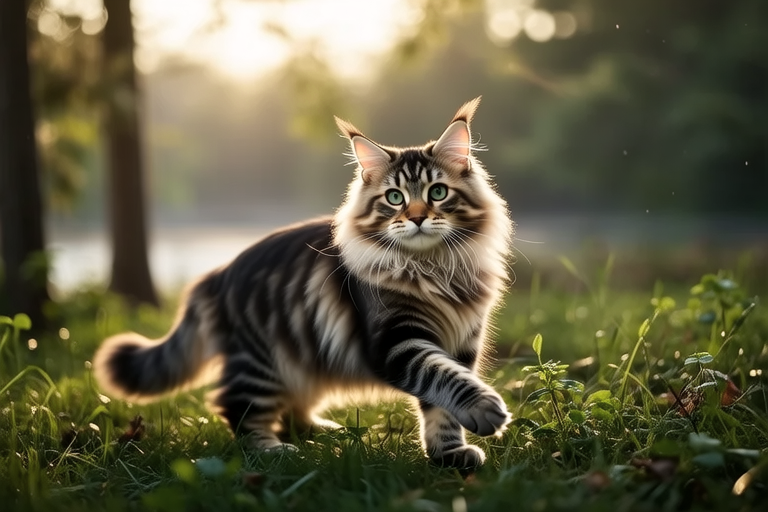
Maine Coon Cats: The Largest, Fluffiest Internet Sensations Explained
With their striking appearance and friendly demeanor, Maine Coon cats have captured the hearts of cat lovers worldwide. These majestic creatures are often referred to as the largest domesticated felines, known for their robust build and luxurious, water-resistant fur. Their unique charm has made them internet sensations, with countless videos and photos showcasing their playful antics and affectionate nature. In this article, we delve into the world of Maine Coon cats, exploring their origins, physical attributes, health considerations, and the reasons behind their viral popularity.
The Origins of Maine Coon Cats
The history of Maine Coons is shrouded in mystery and folklore. One popular legend suggests that these cats are descendants of longhaired cats brought to North America by Vikings, who then interbred with local felines. Another tale involves Marie Antoinette, who supposedly sent her beloved Turkish Angora cats to Maine to escape the French Revolution. While these stories add an air of intrigue to the breed’s background, there is no concrete evidence supporting them.
What is known is that Maine Coons have been living in New England for centuries. They were originally bred to be working cats, helping farmers and fishermen by catching rodents and other pests. Over time, their impressive size, intelligence, and adaptability made them well-suited for the harsh New England winters. Today, they are one of the most popular breeds in the United States and around the world.
A Friendly and Sociable Breed
One of the most endearing qualities of Maine Coon cats is their friendly and sociable nature. Unlike some other cat breeds that prefer solitude, Maine Coons enjoy interacting with their human companions. They are known for their gentle disposition and ability to get along with children, other pets, and even dogs. This makes them ideal family pets for households looking for a loving and interactive feline friend.
Maine Coons are also highly intelligent and can be trained to perform simple tricks or respond to commands. Their curiosity and playfulness make them entertaining companions, always ready for a game of fetch or a puzzle toy. Their sociable nature extends beyond humans; they often form strong bonds with other animals in the household, making them excellent additions to multi-pet homes.
Physical Characteristics
At first glance, it’s easy to see why Maine Coons are often mistaken for small wildcats. With their large size, muscular build, and tufted ears, they possess a regal presence that sets them apart from other domestic cats. Male Maine Coons typically weigh between 13 to 18 pounds, while females range from 9 to 12 pounds. Some individuals can grow even larger, reaching weights exceeding 20 pounds.
One of the most distinctive features of Maine Coons is their long, silky fur. This thick coat serves as insulation against cold weather, protecting them during winter months. Their fur is water-resistant, making them well-equipped for outdoor adventures. The coat comes in various colors and patterns, including tabby, tortoiseshell, and solid colors like black or white.
In addition to their luxurious fur, Maine Coons have several other notable physical traits. Their large paws are equipped with tufts of fur between the toes, which help keep them warm in snowy conditions. Their eyes are almond-shaped and come in shades of green, gold, or copper, adding to their exotic appearance. Finally, their tails are long and bushy, serving as another layer of protection against the elements.
Health Considerations
While Maine Coons generally enjoy good health, they are prone to certain genetic disorders. One of the most common issues is hip dysplasia, a condition where the hip joint doesn’t develop properly. This can lead to discomfort and mobility problems, especially as the cat ages. Regular veterinary check-ups and maintaining a healthy weight can help manage this condition.
Another concern for Maine Coon owners is cardiomyopathy, a heart disease that affects the muscle tissue of the heart. Early detection through regular vet visits is crucial for managing this condition. Additionally, Maine Coons may experience polycystic kidney disease (PKD), a disorder characterized by the formation of cysts on the kidneys. Genetic testing can identify carriers of PKD, allowing breeders to make informed decisions about breeding programs.
To ensure your Maine Coon remains healthy throughout its life, it’s essential to provide proper nutrition, regular exercise, and routine veterinary care. High-quality cat food formulated for large-breed cats can support their growth and maintain their overall health. Providing opportunities for play and mental stimulation will help keep your cat physically active and mentally engaged.
Grooming Needs
Due to their thick, luxurious coats, Maine Coons require regular grooming to prevent matting and tangling. Weekly brushing sessions with a slicker brush or comb can help remove loose hair and distribute natural oils throughout the coat. During shedding seasons, more frequent grooming may be necessary to manage excessive fur loss.
Besides their coats, Maine Coons also need attention paid to their claws and teeth. Regular nail trimming helps prevent overgrowth and potential injury to furniture or people. Dental hygiene is equally important, so consider incorporating brushing your cat’s teeth into your routine or offering dental treats specifically designed for feline oral health.
Despite their grooming requirements, many owners find that Maine Coons are relatively easy to maintain compared to other long-haired breeds. Their friendly personalities make them cooperative during grooming sessions, and their intelligence allows them to learn basic commands and tricks quickly.
Why Maine Coons Have Become Internet Sensations
Maine Coons have become internet sensations due to their striking appearance and playful personalities. Their large size and distinctive features make them stand out in photographs and videos, capturing the attention of millions of viewers worldwide. Many social media platforms feature dedicated pages and groups where fans share stories, pictures, and videos of their beloved Maine Coons.
Several famous Maine Coon personalities have gained significant followings online. For example, Lil Bub, a rescued orange tabby with dwarfism, became an internet sensation thanks to her unique appearance and quirky personality. Although not strictly a Maine Coon, she helped popularize interest in unusual-looking felines, paving the way for other breeds like the Maine Coon to gain recognition.
Another notable Maine Coon is Grumpy Cat, whose perpetually scowling face earned her millions of followers on social media. Her fame inspired numerous memes and merchandise, further boosting awareness of the breed. Other famous Maine Coons include Simon’s Cat, a fictional character based on a real-life Maine Coon named Simon, and Maru, an internet celebrity known for his love of boxes.
Advice for Potential Owners
If you’re considering adopting a Maine Coon, there are several factors to keep in mind. First, ensure you’re prepared for the commitment involved in caring for such a large and energetic cat. Maine Coons require plenty of space to roam and play, so apartment dwellers may need to think twice before bringing one home.
Second, be aware of the grooming needs associated with their long fur. While regular brushing can help minimize shedding, some owners opt for professional grooming services to keep their cat’s coat in top condition. Third, consider the cost of healthcare, as Maine Coons are prone to certain genetic disorders that may require ongoing treatment.
Finally, remember that each Maine Coon is unique, with its own personality and quirks. Spend time getting to know potential adoptees at shelters or breeders’ homes to ensure you find the perfect match for your lifestyle. With proper care and attention, a Maine Coon can bring years of joy and companionship to your home.
