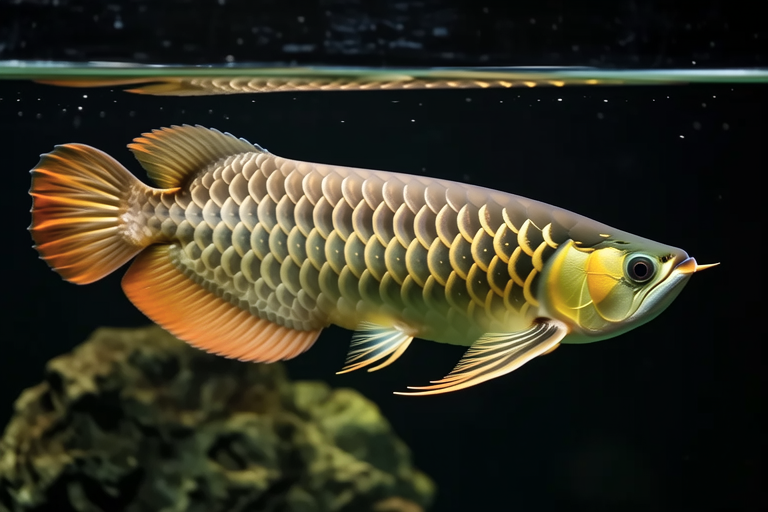
Scales of Success: Unveiling the Majestic Arowana
The arowana, often referred to as the dragonfish, is one of the most captivating and sought-after species in the freshwater aquarium hobby. Known for its striking appearance, powerful presence, and cultural significance, the arowana has long been a symbol of good fortune and prosperity in various parts of the world. This article delves into the unique characteristics, behaviors, and care requirements of the arowana, offering valuable insights for both novice and experienced aquarists.
A Brief History and Cultural Significance
The arowana’s historical significance dates back centuries, with its origins tracing back to ancient Southeast Asian civilizations. Revered for its mythical qualities, the arowana was believed to be a guardian of treasures and a bringer of good luck. In Chinese culture, the fish is associated with the dragon, a symbol of strength and power. The arowana’s scales are said to resemble those of a dragon, further enhancing its reputation as a symbol of success and protection.
Legends and myths surrounding the arowana vary across different regions. In some tales, the fish is capable of leaping out of water to catch birds mid-flight, a testament to its agility and prowess. These stories have contributed to the arowana’s mystique, making it a popular choice among collectors and enthusiasts who seek to bring a touch of legend into their homes.
Habitat and Natural Behavior
Native to the rivers and swamps of Southeast Asia, the arowana thrives in warm, tropical waters. It is an inhabitant of blackwater environments characterized by low pH levels and high tannin concentrations. The fish is known for its ability to leap out of the water, a behavior that allows it to capture prey above the surface. This characteristic is particularly impressive, showcasing the arowana’s adaptability and hunting prowess.
In the wild, arowanas are solitary predators, feeding primarily on insects, small fish, and crustaceans. Their diet consists mainly of live food, which they hunt with precision and speed. This predatory nature requires careful consideration when housing them in aquariums, as they may become aggressive towards smaller tankmates.
Diet and Feeding Requirements
When kept in captivity, arowanas require a varied diet to ensure optimal health and growth. High-quality pellets designed for large carnivorous fish are essential. Additionally, supplementing their diet with live or frozen foods such as feeder fish, shrimp, and worms can mimic their natural feeding habits. It is crucial to avoid overfeeding, as excessive food can lead to obesity and poor water quality.
Feeding should be done in small portions, with intervals that reflect the frequency of meals in the wild. Arowanas are known for their voracious appetites, so monitoring their eating habits is vital to maintain a balanced diet and prevent digestive issues.
Care Requirements and Tank Setup
Setting up an appropriate environment for an arowana is critical to its well-being. Due to their size and active nature, these fish require spacious tanks. For a single adult arowana, a minimum tank size of 240 gallons (900 liters) is recommended. Larger tanks provide ample swimming space and reduce stress, contributing to the fish’s overall health.
The water parameters must be carefully maintained to replicate their natural habitat. Aim for a temperature range of 78°F to 84°F (25°C to 29°C), a pH level between 6.0 and 7.0, and moderate hardness. Regular water changes and efficient filtration systems are necessary to keep the water clean and free from harmful substances.
Decorating the tank thoughtfully is also important. Provide plenty of open swimming areas while incorporating sturdy plants and driftwood for hiding spots. Arowanas appreciate vertical space, so consider adding tall decorations to enhance their natural behavior.
Challenges of Keeping Arowanas as Pets
Despite their allure, keeping arowanas as pets comes with several challenges. Their size and dietary needs make them unsuitable for novice aquarists. They require significant financial investment in terms of equipment, food, and maintenance. Additionally, the legal status of arowanas varies by country, with some regions imposing strict regulations on their importation and ownership.
Behavioral issues can also arise if proper care is not provided. Aggression towards tankmates, especially smaller fish, is common. Ensuring adequate space and minimizing stressors are key to maintaining harmony within the tank. Regular observation and prompt action can help address any behavioral problems before they escalate.
Conclusion
The arowana stands as a testament to the beauty and complexity of aquatic life. Its unique characteristics, rich history, and cultural significance make it a fascinating subject for aquarists and enthusiasts alike. By understanding its needs and providing the right environment, one can enjoy the privilege of owning this majestic creature. Whether you’re a seasoned collector or a curious newcomer, the arowana offers a rewarding experience that combines the joy of pet ownership with the admiration of a true aquatic wonder.
