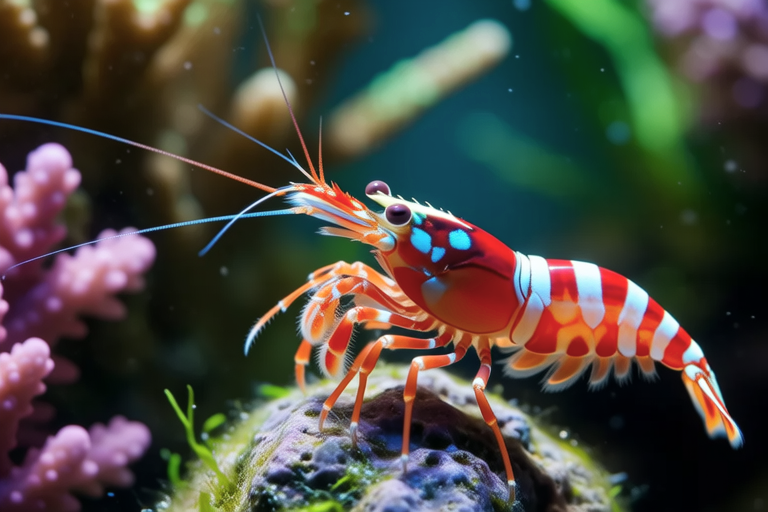
Meet the Colorful Coral Shrimp: Nature’s Hidden Gem in Your Tank
Welcome to the fascinating world of coral shrimp! These tiny creatures, with their striking appearance and vibrant colors, are truly nature’s hidden gems. If you’re an aquarium enthusiast looking to add some color and life to your tank, coral shrimp might just be the perfect addition. In this article, we will explore the unique characteristics, behaviors, and care requirements of these delightful crustaceans. Whether you’re a beginner or an experienced aquarist, there’s something for everyone to learn about these captivating creatures.
The Unique Appearance and Vibrant Colors of Coral Shrimp
Coral shrimp, scientifically known as Stenopus hispidus, are instantly recognizable due to their striking appearance. They come in a variety of colors, ranging from bright reds and oranges to deep purples and blues. Their bodies are segmented, with long, slender appendages that give them a delicate, almost ethereal look. The most distinctive feature of the coral shrimp is its three pairs of claws: two pairs on the front legs and one pair on the back legs. These claws are not only visually striking but also serve important functions in the shrimp’s survival and behavior.
Their vibrant colors are not just for show; they play a crucial role in camouflage and communication. In their natural habitat, coral shrimp use their colors to blend in with the coral reefs, making them less visible to predators. Additionally, these colors can signal their mood or intentions to other shrimp, helping to establish social hierarchies and maintain harmony within their community.
Role and Behavior in Natural Habitats
In their natural environment, coral shrimp are found in tropical and subtropical waters, primarily around coral reefs. They are highly adaptable and can thrive in various marine ecosystems, from shallow coastal areas to deeper oceanic zones. Coral shrimp are scavengers and detritivores, meaning they feed on small particles of organic matter, algae, and dead organisms. This feeding behavior plays a vital role in maintaining the health of the coral reef ecosystem by cleaning the substrate and promoting the growth of beneficial microorganisms.
Coral shrimp are also known for their symbiotic relationships with certain species of fish. For instance, they have a mutualistic relationship with cleaner wrasses, where the shrimp clean parasites and dead skin off the fish while receiving protection from larger predators. This interaction highlights the intricate web of life within the coral reef ecosystem and underscores the importance of each species in maintaining ecological balance.
Adapting to Aquarium Environments
Despite their complex natural behaviors, coral shrimp can easily adapt to life in an aquarium. However, it’s essential to provide them with an environment that closely mimics their natural habitat to ensure their well-being. A well-maintained aquarium can offer coral shrimp a comfortable and stimulating living space, allowing them to exhibit their natural behaviors and colors.
When setting up an aquarium for coral shrimp, consider the following factors:
- Water Quality: Maintain optimal water parameters such as temperature (72-82°F), pH (8.1-8.4), and salinity (specific gravity of 1.023-1.025). Regular testing and water changes are crucial to keep the water quality high.
- Habitat: Provide ample hiding spots, such as caves, rocks, and live rock, to mimic the coral reef environment. These structures not only offer shelter but also create spaces for the shrimp to explore and establish territories.
- Filtration: Use efficient filtration systems to remove excess waste and maintain water clarity. Biological filtration is especially important for breaking down harmful compounds like ammonia and nitrite.
Tips for Setting Up an Ideal Tank
To create an ideal tank for coral shrimp, consider the following tips:
- Choose the Right Size: While coral shrimp are relatively small, they still need adequate space to move and explore. A tank size of at least 20 gallons is recommended for a group of coral shrimp.
- Provide Hiding Spots: Coral shrimp are naturally shy and need places to hide. Incorporate plenty of live rock, caves, and plants to create a secure environment.
- Ensure Proper Lighting: While coral shrimp don’t require intense lighting, providing a moderate light level can enhance their colors and promote the growth of beneficial algae.
- Avoid Aggressive Tankmates: Coral shrimp are peaceful and can coexist with many other species, but avoid housing them with aggressive or large fish that may see them as prey.
Dietary Needs of Coral Shrimp
Feeding coral shrimp is relatively straightforward, but it’s essential to provide a balanced diet to support their health and longevity. Coral shrimp are omnivorous, meaning they eat both plant and animal matter. In the wild, they primarily feed on algae, detritus, and small invertebrates. To replicate this diet in an aquarium setting, offer a variety of foods, including:
- Algae Wafers: High-quality algae wafers provide essential nutrients and fiber, promoting digestive health.
- Shrimp Pellets: Commercially available shrimp pellets offer a complete diet, containing vitamins and minerals necessary for growth and development.
- Blanched Vegetables: Small pieces of blanched vegetables, such as spinach or zucchini, can be offered as occasional treats.
- Live or Frozen Foods: Brine shrimp, daphnia, and bloodworms can be provided as supplemental food to stimulate their hunting instincts.
It’s important to note that overfeeding can lead to water quality issues and obesity in coral shrimp. Feed them small amounts multiple times a day, ensuring that all food is consumed within a few minutes. Regular observation of their feeding behavior can help you adjust the quantity and frequency of meals accordingly.
Common Health Issues to Watch Out for
Like any pet, coral shrimp are susceptible to various health issues. Early detection and intervention are key to maintaining their well-being. Some common health problems include:
- Parasites: External parasites, such as protozoans or copepods, can infest coral shrimp, leading to lethargy, loss of appetite, and visible lesions. Regular inspection of the shrimp and prompt treatment with appropriate medications can prevent severe infections.
- Shell Disease: Also known as shell rot, this condition causes softening and erosion of the shrimp’s exoskeleton. It is often caused by poor water quality or physical damage. Maintaining optimal water conditions and avoiding rough handling can reduce the risk of shell disease.
- Overcrowding: Housing too many coral shrimp in a small tank can lead to stress, aggression, and competition for resources. Ensure adequate space and population density to minimize stress-related issues.
If you notice any signs of illness, consult with a veterinarian specializing in aquatic animals for proper diagnosis and treatment. Early intervention can make a significant difference in the recovery and overall health of your shrimp.
The Joy and Benefits of Keeping Coral Shrimp as Pets
Keeping coral shrimp as pets offers numerous benefits beyond their aesthetic appeal. Their presence can contribute positively to the overall health and balance of your aquarium ecosystem. By feeding on algae and detritus, coral shrimp help maintain water clarity and reduce the likelihood of algal blooms. Their scavenging behavior also helps prevent the accumulation of organic waste, which can otherwise lead to water quality issues.
Moreover, observing the natural behaviors of coral shrimp can be incredibly rewarding. Watching them scuttle around the tank, interact with other inhabitants, and clean the substrate provides endless entertainment and fascination. Their vibrant colors and unique appearance add a touch of elegance and sophistication to any aquarium setup.
For beginners, coral shrimp offer an excellent opportunity to learn about marine biology and husbandry. Their relatively low maintenance requirements and hardiness make them ideal for those new to the hobby. Meanwhile, experienced aquarists can appreciate the challenge of creating a thriving reef ecosystem and the satisfaction of successfully raising and caring for these fascinating creatures.
In conclusion, coral shrimp are more than just beautiful additions to your aquarium; they are active participants in maintaining a healthy and balanced underwater world. By providing them with the right environment, diet, and care, you can enjoy the joy and benefits of keeping these nature’s hidden gems in your tank. So, why not bring a little piece of the coral reef into your home today?
