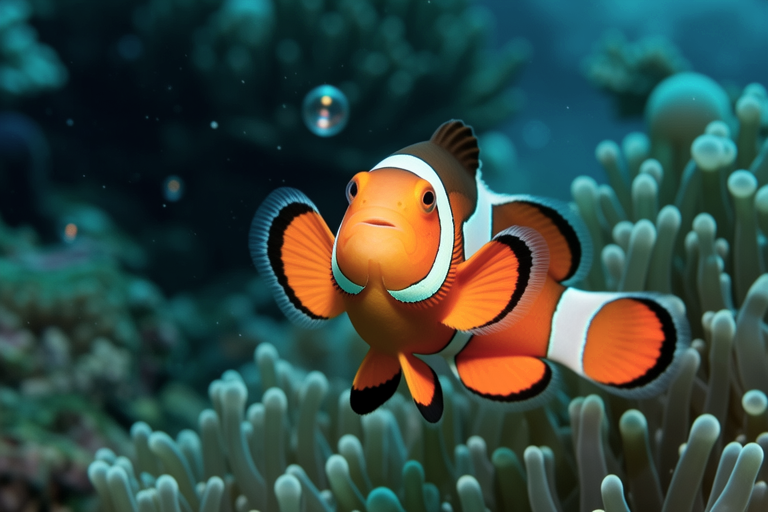
The Surprising Reasons Why Clownfish Are Ideal for Beginners
Clownfish, also known as anemonefish, have captivated the hearts of many aquarium enthusiasts, thanks largely to their starring role in the beloved animated film Finding Nemo. These small, vibrant fish are not only visually appealing but also relatively easy to care for, making them a popular choice among both seasoned aquarists and beginners. In this article, we will explore the surprising reasons why clownfish are ideal for beginners, delving into their hardiness, vibrant colors, and manageable size. We’ll discuss their dietary needs, ideal tank conditions, compatibility with other fish, common health issues, and provide advice on where to purchase healthy clownfish and resources for ongoing care education.
A Brief Introduction to Clownfish
Clownfish belong to the genus Amphiprion and the family Pomacentridae, commonly found in the warm waters of the Indian and Pacific Oceans. There are around 30 species of clownfish, each distinguished by its unique color patterns and stripes. They are particularly well-known for their symbiotic relationship with sea anemones, which provides them with protection from predators while offering the clownfish a safe haven. This relationship is mutually beneficial, as the clownfish’s waste provides nutrients for the anemone, and the clownfish’s movements help circulate water around the anemone.
Why Clownfish Are Suitable for Beginners
Hardiness
One of the primary reasons why clownfish are perfect for beginners is their resilience. Unlike more delicate marine species, clownfish can withstand fluctuations in water parameters such as temperature and pH levels, making them less susceptible to stress-related illnesses. This robust nature allows new aquarists to make mistakes without jeopardizing the health of their fish. However, it’s important to note that even hardy species like clownfish require proper care and attention to thrive.
Vibrant Colors
Clownfish are renowned for their striking and varied colorations, ranging from bright orange and white stripes to more muted shades of red and black. Their vibrant hues add a splash of color to any aquarium, creating a visually appealing environment. The variety of colors and patterns available ensures that there is a clownfish to suit every taste, making them an excellent choice for those looking to enhance the aesthetic appeal of their tank.
Manageable Size
Another advantage of keeping clownfish is their relatively small size, typically reaching lengths of around 3 to 4 inches (7.6 to 10 cm). This compact size means they require less space and are easier to accommodate within smaller aquariums, making them accessible to hobbyists with limited tank sizes. Additionally, their smaller size makes it simpler to monitor their health and behavior, allowing beginners to quickly identify any potential issues.
Dietary Requirements
Feeding clownfish is straightforward, as they are omnivorous and can consume a wide range of foods. A balanced diet consisting of high-quality flake food, pellets, and occasional treats like brine shrimp or frozen foods will keep your clownfish healthy and vibrant. It’s essential to ensure that the food you provide is appropriate for their size and nutritional needs. Overfeeding should be avoided to prevent water quality issues and obesity. Regular feeding schedules can help maintain consistency and ensure that all fish receive adequate nutrition.
Ideal Tank Conditions
Water Parameters
Maintaining optimal water conditions is crucial for the health and well-being of your clownfish. The ideal temperature range for clownfish is between 75°F and 82°F (24°C to 28°C), with a pH level of 8.1 to 8.4. Regular testing and monitoring of these parameters are necessary to ensure the stability of the aquatic environment. Ammonia and nitrite levels should be kept at zero, while nitrate levels should be maintained below 20 ppm. A good filtration system and regular water changes are key to achieving and maintaining these conditions.
Tank Size and Setup
For a single pair of clownfish, a minimum tank size of 20 gallons is recommended. However, larger tanks are preferable as they provide more swimming space and better water quality. When setting up the tank, consider adding live rock and macroalgae to create a natural habitat that mimics their ocean environment. Live rock not only enhances the aesthetics of the tank but also contributes to biological filtration, helping to maintain stable water parameters. Macroalgae can absorb excess nutrients, further improving water quality.
Compatibility with Other Fish
Clownfish are generally peaceful and can coexist with various other marine species. However, it’s important to research the compatibility of potential tank mates before introducing them to your clownfish. Some fish, such as damselfish and certain wrasses, may be territorial and aggressive towards clownfish. Conversely, clownfish can sometimes become territorial themselves, especially when breeding. To avoid conflicts, it’s advisable to introduce clownfish to the tank first and then gradually add compatible species. It’s always a good idea to consult with experienced aquarists or local fish stores for guidance on suitable tank mates.
Common Health Issues and Management
Despite their hardiness, clownfish can still encounter health issues if not cared for properly. Common problems include fin rot, ich (white spot disease), and bacterial infections. Fin rot is often caused by poor water quality and can be treated with medications specifically designed for this condition. Ich, a parasitic infection, can be effectively managed with salt baths or copper-based treatments. Bacterial infections may require antibiotics, but prevention through maintaining clean water and a balanced diet is always the best approach.
Regular observation of your clownfish is essential for early detection of any signs of illness. Look out for changes in behavior, such as lethargy, loss of appetite, or unusual swimming patterns. Prompt action upon noticing these symptoms can significantly improve the chances of successful treatment.
Purchasing Healthy Clownfish
When selecting clownfish for your aquarium, it’s crucial to choose healthy specimens from reputable breeders or pet stores. Look for active and alert fish with clear eyes, intact fins, and no visible signs of injury or disease. Avoid purchasing fish that appear listless or have cloudy eyes, as these could indicate underlying health issues. Additionally, inquire about the breeding and care practices of the supplier to ensure that the fish have been raised in optimal conditions.
Ongoing Care Education
To ensure the long-term success of your clownfish and your aquarium, continuous learning is vital. There are numerous resources available to help you stay informed about the latest care techniques and advancements in marine biology. Joining online forums and local aquarium clubs can provide valuable support and advice from experienced aquarists. Many books and websites offer comprehensive guides on clownfish care, covering topics such as breeding, disease management, and advanced tank setups. By investing time in educating yourself, you’ll be better equipped to handle any challenges that arise and provide the best possible care for your fish.
Conclusion
Clownfish are an excellent choice for beginners due to their hardiness, vibrant colors, and manageable size. With their straightforward dietary requirements, ideal tank conditions, and compatibility with other fish, they offer a rewarding experience for new aquarists. By understanding and addressing common health issues and sourcing healthy fish from reputable suppliers, you can ensure the well-being of your clownfish. Continued education through resources and community engagement will further enhance your skills and enjoyment as an aquarist. Embrace the journey of caring for these fascinating creatures and watch your aquarium flourish with the presence of these delightful fish.
