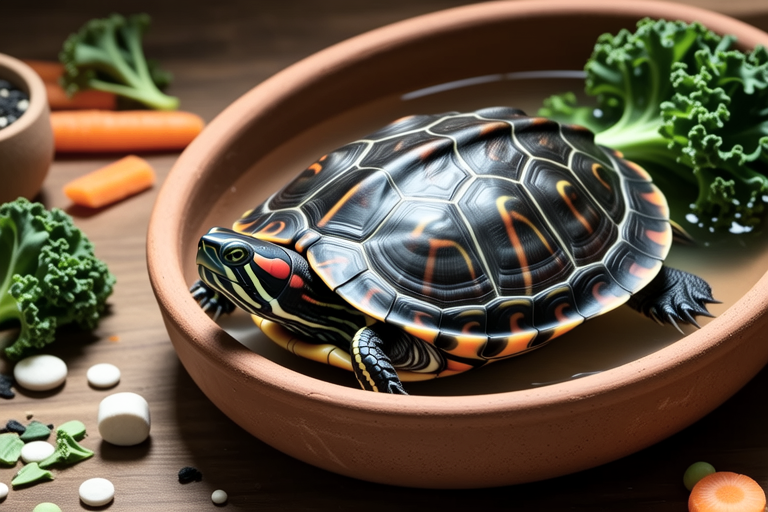
The Ultimate Diet Plan for a Healthy Red-Eared Slider Turtle
Red-eared slider turtles (Trachemys scripta elegans) are among the most popular pet reptiles, known for their striking appearance and relatively low maintenance requirements. However, providing a balanced diet is crucial for their health and longevity. This comprehensive guide will cover the nutritional needs of red-eared sliders, recommended foods, portion sizes, feeding frequency, common dietary mistakes to avoid, and tips for maintaining a balanced diet that supports growth, shell health, and overall well-being.
Nutritional Needs of Red-Eared Slider Turtles
Red-eared sliders require a diverse diet rich in proteins, vitamins, and minerals. Their diet should consist of both animal and plant matter, with a focus on calcium and vitamin D3 for proper shell development and bone health. A balanced diet can prevent metabolic bone disease, which is a common issue among captive turtles.
Recommended Foods
Animal-Based Foods
- Insects: Crickets, mealworms, and earthworms provide essential proteins. These should be gut-loaded (fed nutritious food before being offered to the turtle) to increase their nutritional value.
- Fish: Feeder fish like guppies, goldfish, and minnows are good protein sources. Ensure they are small enough for the turtle to consume easily.
- Commercial Pellets: High-quality turtle pellets offer a balanced mix of nutrients and should make up a significant portion of the diet. Look for products specifically designed for aquatic turtles.
Plant-Based Foods
- Leafy Greens: Dandelion greens, romaine lettuce, collard greens, and watercress are excellent sources of vitamins and minerals. Avoid iceberg lettuce as it has little nutritional value.
- Vegetables: Carrots, squash, and bell peppers are nutritious additions to the diet. They should be finely chopped or grated to facilitate consumption.
- Fruits: Occasional treats like berries and melons provide natural sugars and additional nutrients. Limit fruit intake to prevent digestive issues.
Portion Sizes and Feeding Frequency
Feeding frequency and portion size depend on the turtle’s age and size. Younger turtles, typically under four inches in carapace length, need to eat daily. Adults, over 12 inches, should be fed every two to three days.
| Age/Size | Feeding Frequency | Portion Size |
|---|---|---|
| Under 4 inches | Daily | 1-2 teaspoons of pellets, 1-2 insects, and small pieces of vegetables |
| 4-8 inches | Every other day | 1-2 tablespoons of pellets, 2-3 insects, and larger pieces of vegetables |
| Over 8 inches | Twice a week | 1-2 tablespoons of pellets, 3-4 insects, and generous portions of vegetables |
Common Dietary Mistakes to Avoid
- Overfeeding: Excessive feeding can lead to obesity and related health issues. Monitor portion sizes carefully.
- Lack of Variety: Providing only one type of food can result in nutrient deficiencies. Offer a variety of foods to ensure a balanced diet.
- Improper Food Preparation: Ensure all foods are clean and free from pesticides or harmful chemicals. Gut-load insects before offering them to your turtle.
- Incorrect Supplementation: Over-supplementation with calcium or vitamin D3 can be harmful. Follow the manufacturer’s guidelines when adding supplements to your turtle’s diet.
Calcium and Vitamin D3 Supplementation
Calcium and vitamin D3 are essential for shell and bone health. Insufficient levels can lead to metabolic bone disease, characterized by soft shells, lethargy, and difficulty moving.
Vitamin D3 synthesis requires exposure to UVB light. Ensure your turtle’s enclosure includes a high-quality UVB lamp, placed within 12-18 inches of the basking area. Replace the bulb every six months or according to the manufacturer’s instructions.
Supplementing the diet with calcium powder is necessary, especially for younger turtles. Use a calcium supplement without added vitamin D3 to prevent toxicity. Sprinkle a pinch of calcium powder over the food once or twice a week.
UVB Lighting and Its Role in Digestion
UVB lighting is crucial for vitamin D3 synthesis, which aids in calcium absorption and metabolism. Without adequate UVB exposure, turtles may develop metabolic bone disease, leading to weakened bones and shells.
Choose a UVB lamp with a spectrum of 10.0%, and place it within 12-18 inches of the basking area. Ensure the lamp provides sufficient coverage for the entire enclosure. Replace the bulb every six months or according to the manufacturer’s instructions.
Transitioning Young Turtles to Adult Diets
Young turtles have different nutritional needs compared to adults. As they grow, gradually transition them to an adult diet. Start by introducing more plant-based foods and reducing the frequency of animal-based meals. Monitor their growth and adjust the diet accordingly.
Consult a veterinarian if you notice any signs of malnutrition or abnormal growth during the transition period. Regular check-ups can help ensure your turtle is receiving the appropriate nutrients at each stage of its life.
Special Dietary Considerations for Older or Sick Turtles
Older turtles may experience decreased activity levels and slower metabolisms. Adjust their diet to include fewer calories and more fiber-rich foods. Offer smaller, more frequent meals to maintain weight and energy levels.
Sick turtles may require specialized diets to aid recovery. Consult a veterinarian for specific recommendations based on the turtle’s condition. Specialized diets might include increased protein or specific supplements to support healing.
Tips for Maintaining a Balanced Diet
- Monitor Growth: Regularly measure your turtle’s carapace length and weight to ensure healthy growth. Adjust the diet as needed to promote optimal development.
- Encourage Natural Foraging: Create an environment that encourages foraging behavior. Scatter food items around the enclosure to stimulate natural hunting instincts.
- Rotate Foods: Introduce new foods regularly to maintain interest and ensure a varied diet. Rotate between different types of insects, vegetables, and fruits to keep the diet interesting and nutritious.
- Hydration: Provide fresh, clean water for drinking and soaking. Ensure the water is deep enough for the turtle to submerge completely but shallow enough for easy access.
By following this comprehensive guide, you can provide your red-eared slider turtle with a balanced and nutritious diet that supports growth, shell health, and overall well-being. Remember to consult a veterinarian for personalized advice and regular check-ups to ensure your turtle remains healthy and happy.
