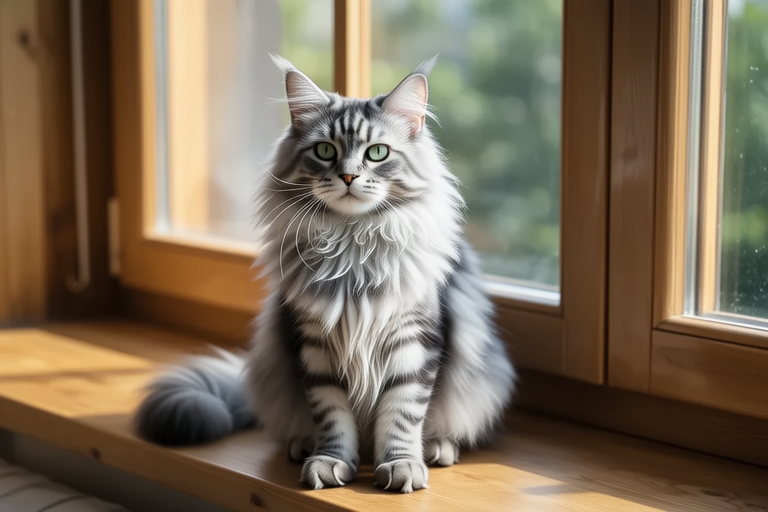
The Ultimate Guide to Raising a Happy and Healthy Norwegian Cat
Welcome to the comprehensive guide on how to raise a happy and healthy Norwegian cat. Whether you’re a first-time cat owner or an experienced one, this guide will provide you with all the necessary information to ensure your Norwegian cat thrives. From creating the perfect living environment to understanding their dietary needs and common health issues, this guide covers it all.
Creating the Ideal Living Environment
The first step in raising a happy and healthy Norwegian cat is to create an ideal living environment. Norwegian cats are medium-sized and have a thick coat, making them adaptable to various climates. However, they still require a comfortable and stimulating home. Here are some tips:
- Space: Norwegian cats are active and enjoy exploring their surroundings. Provide ample space for them to move around freely. If you live in an apartment, consider setting up vertical spaces such as shelves or cat trees.
- Comfort: Invest in comfortable bedding that suits their size. Choose soft, cozy beds that offer warmth and security. Additionally, make sure there are quiet areas where your cat can retreat when they need some alone time.
- Toys: Stimulate your Norwegian cat’s mind and body with toys. Interactive toys that mimic prey or those that encourage physical activity are great choices. Rotate toys periodically to keep your cat engaged.
- Grooming: Since Norwegian cats have a thick double coat, regular grooming is essential. Provide a brush specifically designed for their coat type to prevent matting and tangling. Grooming also strengthens the bond between you and your cat.
Dietary Needs
Understanding your Norwegian cat’s dietary needs is crucial for their overall health. Norwegian cats are carnivores and require a diet rich in animal proteins. Here’s what you should know about their diet:
- Balanced Diet: Feed your cat high-quality cat food that meets their nutritional requirements. Look for food that contains real meat as the primary ingredient. Consult with your veterinarian to determine the best food for your cat based on their age, weight, and any specific health conditions.
- Water: Ensure your cat has access to fresh, clean water at all times. Some cats prefer running water, so consider getting a pet fountain.
- Treats: Treats can be a fun way to bond with your cat, but they should be given in moderation. Choose treats that complement their diet and avoid overfeeding.
Exercise Requirements
Norwegian cats are energetic and need regular exercise to stay healthy and happy. Encourage physical activity through playtime and interactive toys. Here are some ideas:
- Interactive Play: Spend quality time playing with your cat using feather wands, laser pointers, or interactive toys that mimic prey. This not only provides exercise but also strengthens the bond between you and your cat.
- Environmental Enrichment: Create an enriched environment that encourages exploration and physical activity. Consider installing window perches or providing climbing structures.
- Regular Exercise Routine: Establish a routine that includes daily play sessions. Consistency helps maintain your cat’s physical and mental well-being.
Grooming Tips
Grooming is an important aspect of caring for your Norwegian cat. Their thick coat requires regular attention to prevent matting and tangling. Here are some grooming tips:
- Brushing: Brush your cat’s coat regularly, especially during shedding seasons. Use a slicker brush or a comb designed for double-coated breeds. Regular brushing helps distribute natural oils throughout the coat and prevents hairballs.
- Bathing: While Norwegian cats are generally self-groomers, occasional bathing may be necessary. Use a gentle, cat-specific shampoo and ensure the water temperature is warm but not hot.
- Trimming: Trim your cat’s nails regularly to prevent overgrowth. Use a pair of cat nail clippers and be careful not to cut into the quick, which can cause bleeding.
- Eyecare: Check your cat’s eyes regularly for any signs of discharge or irritation. Clean the area gently with a damp cloth if necessary.
Common Health Issues
Like all breeds, Norwegian cats are prone to certain health issues. Being aware of these potential problems allows you to take preventive measures and seek timely veterinary care. Here are some common health issues:
- Obesity: Obesity can lead to various health problems, including diabetes and joint issues. Monitor your cat’s weight and adjust their diet and exercise routine accordingly.
- Heart Disease: Norwegian cats may be predisposed to heart disease. Regular veterinary check-ups and early detection can help manage this condition effectively.
- Allergies: Some Norwegian cats may develop allergies to certain foods or environmental factors. Consult with your veterinarian to identify and manage any allergies your cat may have.
- Dental Problems: Dental issues, such as periodontal disease, are common in cats. Regular dental care, including brushing and professional cleanings, is essential for maintaining your cat’s oral health.
Socialization Techniques
Socializing your Norwegian cat is important for their emotional well-being and behavior. Proper socialization helps them become comfortable with people, other animals, and different environments. Here are some socialization techniques:
- Early Socialization: Expose your kitten to various stimuli, sounds, and experiences from an early age. This helps them become more adaptable and confident.
- Positive Reinforcement: Use positive reinforcement techniques, such as treats and praise, to encourage good behavior and discourage negative behaviors.
- Gradual Exposure: Gradually introduce your cat to new environments, people, and animals. Allow them to explore at their own pace and provide reassurance and support.
- Consistent Routine: Establish a consistent routine that includes regular interaction and playtime. This helps your cat feel secure and loved.
Advice for Bonding with Your Norwegian Cat
Bonding with your Norwegian cat is essential for their emotional well-being and your relationship. Building a strong bond takes time and effort, but it’s worth it. Here are some tips for bonding with your cat:
- Spending Quality Time: Allocate dedicated time each day to interact with your cat. Engage in activities they enjoy, such as playing or cuddling.
- Respect Their Space: While it’s important to spend time with your cat, it’s equally important to respect their need for personal space. Allow them to retreat when they want privacy.
- Establish Trust: Build trust by being consistent and reliable. Cats thrive on routine and predictability. Be patient and allow your cat to come to you when they’re ready.
- Communication: Learn to understand your cat’s body language and vocalizations. Respond to their cues and needs promptly. This helps strengthen the communication between you and your cat.
In conclusion, raising a happy and healthy Norwegian cat involves creating a comfortable living environment, meeting their dietary and exercise needs, and addressing their grooming and health concerns. By following the advice provided in this guide, you’ll be well-equipped to provide your Norwegian cat with a fulfilling and joyful life. Remember, every cat is unique, so adapt these guidelines to suit your cat’s individual needs and preferences.
