Pea Crabs: Uncovering the Cozy Lives of These Unique Little Critters
Introduction to Pea Crabs
Pea crabs, belonging to the superfamily Pinnotheroidea, are some of the smallest true crabs in the world. Their name aptly describes their size, as they typically grow no larger than a pea. Despite their diminutive stature, these fascinating crustaceans lead complex and intriguing lives. With their delicate appearance and unique adaptations, pea crabs have captured the interest of marine biologists and nature enthusiasts alike.
Size and Physical Characteristics
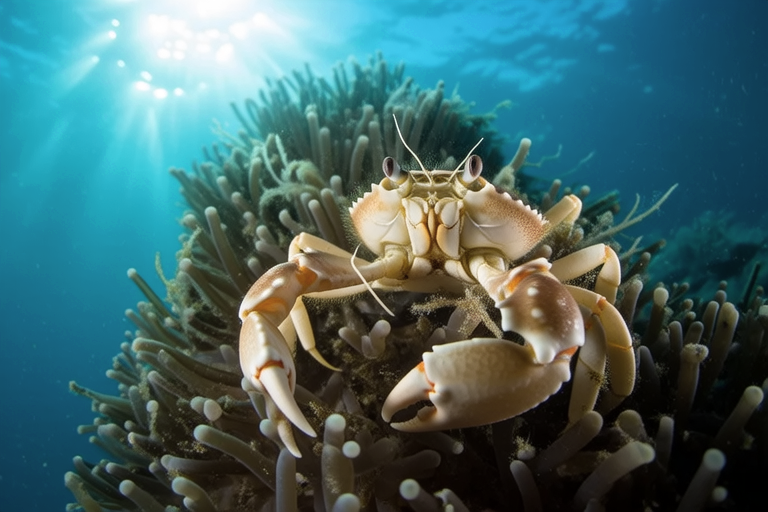
Pea crabs are incredibly small, measuring between 4 to 12 millimeters in length. Their carapace is usually rounded and smooth, often adorned with fine hairs that help them blend into their surroundings. Their legs are relatively short and stubby, making it difficult for them to move around outside their host. The coloration of pea crabs can vary depending on the species and the environment, but they generally exhibit shades of brown, white, or even green, which helps them camouflage within their hosts.
Symbiotic Relationship with Bivalves
The most remarkable aspect of pea crabs’ life cycle is their symbiotic relationship with various marine organisms, particularly bivalves such as clams and mussels. This relationship is known as commensalism, where one organism benefits while the other remains unaffected. Pea crabs reside within the mantle cavity of their host, living a protected life while gaining access to food and shelter.
Female pea crabs enter the mantle cavity of the bivalve during their juvenile stage, where they remain for the rest of their lives. Male pea crabs, on the other hand, tend to be smaller and more mobile, entering and leaving the host to mate with females. Once inside, the female pea crab lays her eggs in the safety of the host’s cavity. The larvae then develop and eventually leave the host to find their own. This relationship is mutually beneficial, as the bivalve provides protection and nutrients, while the pea crab helps clean the host by feeding on debris and parasites.
Habitat and Distribution
Pea crabs are found in coastal waters worldwide, from shallow estuaries to deeper offshore areas. They prefer environments rich in organic matter, such as seagrass beds, mudflats, and coral reefs. These habitats provide ample food sources and suitable conditions for the bivalves that serve as their hosts. Pea crabs are particularly abundant in temperate and tropical regions, where the diversity of bivalve species offers numerous opportunities for symbiosis.
Within these habitats, pea crabs are highly adaptable. They can thrive in both brackish and saltwater environments, making them versatile inhabitants of diverse marine ecosystems. Their ability to inhabit a wide range of bivalves further enhances their adaptability, allowing them to colonize various parts of the ocean floor.
Unique Behaviors and Adaptations
Pea crabs have developed several unique behaviors and adaptations to survive within their host. One of the most fascinating aspects of their biology is their reproductive strategy. Female pea crabs carry their eggs in a brood pouch located under their body. This ensures that the eggs are constantly kept moist and protected until they hatch. The males, being smaller and more mobile, play a crucial role in ensuring genetic diversity by traveling between hosts to mate with multiple females.
Another adaptation is their ability to tolerate the high levels of carbon dioxide produced by their host’s respiration. This tolerance allows them to thrive in the crowded and sometimes stressful conditions within the mantle cavity. Additionally, pea crabs possess specialized mouthparts that enable them to filter-feed efficiently, extracting nutrients from the water without disturbing their host.
Threats and Conservation Efforts
Despite their resilience, pea crabs face several threats in their natural habitat. Pollution, overfishing, and habitat destruction pose significant risks to their survival. The degradation of seagrass beds and coral reefs, which serve as essential habitats for both pea crabs and their hosts, has led to a decline in their populations. Additionally, the introduction of invasive species that compete with or prey upon bivalves can disrupt the delicate balance of their ecosystems.
To mitigate these threats, various conservation efforts are underway. Marine protected areas (MPAs) are established to safeguard critical habitats and reduce human impact on the ecosystem. Sustainable fishing practices are promoted to minimize the capture of non-target species, including pea crabs and their hosts. Public awareness campaigns educate communities about the importance of preserving marine biodiversity and encourage responsible behavior when interacting with coastal environments.
The Importance of Understanding Pea Crabs
Understanding the intricate lives of pea crabs is crucial for maintaining marine biodiversity. These tiny creatures play a vital role in their ecosystems, contributing to the health and stability of their habitats. By studying their symbiotic relationships and adaptations, scientists gain valuable insights into the dynamics of marine communities. This knowledge can inform conservation strategies and help protect vulnerable species and their environments.
Furthermore, the study of pea crabs offers opportunities for interdisciplinary research. Biologists, ecologists, and environmental scientists collaborate to explore the broader implications of their findings. For instance, the mechanisms by which pea crabs adapt to changing environmental conditions may provide clues for addressing climate change impacts on marine ecosystems. The lessons learned from these studies can be applied to other species and ecosystems, enhancing our overall understanding of biological systems.
In conclusion, pea crabs are fascinating creatures with much to teach us about marine biodiversity and ecological relationships. Their small size belies their significance, and by uncovering the cozy lives of these unique little critters, we gain a deeper appreciation for the complexity and beauty of the underwater world.
