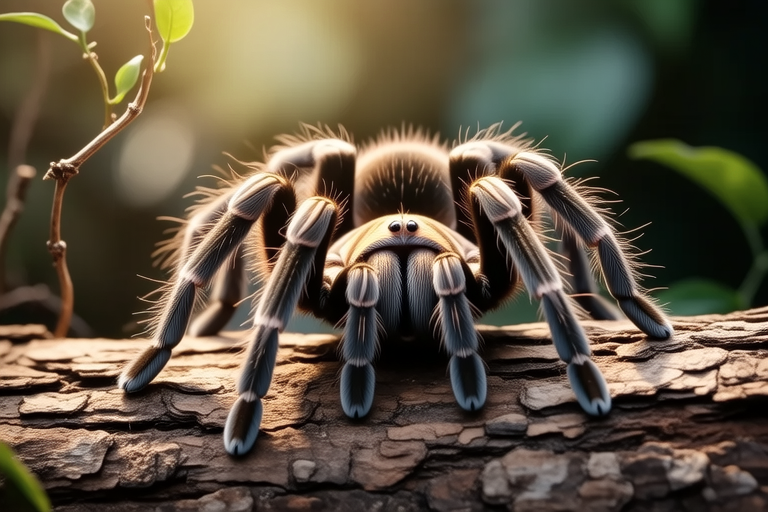
Top 10 Myths About Tarantulas Debunked: Are They Really That Scary?
Tarantulas have long been the subject of fear and fascination, often depicted as terrifying monsters in movies and books. These large, hairy spiders are found in diverse habitats across the world, from deserts to rainforests. Despite their intimidating appearance, many of the myths surrounding tarantulas are based more on Hollywood exaggeration than scientific fact. Let’s delve into the top ten myths about tarantulas and explore the truth behind them.
Myth 1: Tarantulas Are Highly Venomous
Fact: While tarantulas can deliver a painful bite, they are not highly venomous to humans. Their venom is primarily used to subdue prey, such as insects and small vertebrates. In most cases, a tarantula bite is no worse than a bee sting, causing temporary pain and swelling but rarely serious harm. For instance, my friend once got bitten while handling a tarantula during a wildlife program. He experienced some localized pain and swelling, but it subsided within a few hours without any medical intervention.
Myth 2: All Tarantulas Are Aggressive
Fact: Tarantulas are generally shy and prefer to avoid confrontation. They will only bite when threatened or provoked. Most species spend their time in burrows or hiding in foliage, waiting for prey to come close enough to attack. Tarantulas are more likely to flee than fight, making them less aggressive than their reputation suggests. This behavior is also observed in captivity, where they tend to remain calm unless directly disturbed.
Myth 3: Tarantulas Hunt Mammals
Fact: The idea that tarantulas hunt mammals is largely a myth. Their diet typically consists of insects, other arachnids, and sometimes small vertebrates like lizards and frogs. They are ambush predators, relying on stealth and speed to catch their prey. Their strong fangs and venom help them immobilize and consume their meals efficiently. The notion of tarantulas hunting larger animals stems from exaggerated accounts and fictional portrayals.
Myth 4: Tarantulas Can’t Climb Smooth Surfaces
Fact: Tarantulas are excellent climbers and can scale smooth surfaces with ease. They possess specialized hairs on their feet called setae, which allow them to adhere to various textures. These microscopic structures function similarly to the hooks on gecko feet, enabling tarantulas to move effortlessly across glass, walls, and even ceilings. This climbing ability is crucial for their survival, helping them escape predators and access new territories.
Myth 5: Tarantulas Are Blind
Fact: Tarantulas are not blind; they have eight eyes arranged in two rows on their cephalothorax. However, their vision is limited, and they rely more on vibrations and touch to navigate their environment. Sensory organs on their legs and pedipalps (appendages near the mouth) detect subtle movements, allowing them to locate prey and avoid danger. This sensory system is highly effective, making up for their relatively poor eyesight.
Myth 6: Tarantulas Attack in Packs
Fact: Tarantulas are solitary creatures and do not form packs or colonies. Each tarantula lives independently, defending its territory against intruders. While they may live in close proximity to others, especially in areas with abundant resources, they do not cooperate or hunt together. The misconception of tarantulas attacking in packs likely originates from their impressive size and the tendency to find multiple tarantulas in the same habitat.
Myth 7: Tarantulas Are Nocturnal Hunters
Fact: While many tarantulas are indeed nocturnal, this is not true for all species. Some tarantulas are crepuscular, meaning they are most active during dawn and dusk, while others are diurnal and hunt during the day. The activity patterns of tarantulas depend on factors such as temperature, humidity, and the availability of prey. Understanding these differences helps dispel the myth that all tarantulas are strictly night hunters.
Myth 8: Tarantulas Are Immune to Their Own Venom
Fact: Tarantulas are not immune to their own venom. If a tarantula were to be envenomated by another tarantula, it could suffer the same effects as any other creature. However, their robust physiology allows them to withstand the effects of their venom better than smaller organisms. This resilience does not mean they are immune, but rather that they can tolerate the venom more effectively.
Myth 9: Tarantulas Spin Large, Visible Webs
Fact: Unlike many other spiders, tarantulas do not spin webs to catch prey. Instead, they use their powerful fangs and venom to immobilize and kill their prey. Some species do create silken retreats or burrows, but these are not the intricate, visible webs associated with other spider species. The misconception likely arises from the association between tarantulas and spiders in general, leading to confusion about their web-spinning abilities.
Myth 10: Tarantulas Are Dangerous to Pets
Fact: While tarantulas can pose a threat to small pets like hamsters or mice, they are generally not dangerous to larger animals, including dogs and cats. Most pets are too large for tarantulas to consider as prey, and the spiders would likely avoid confrontation. However, it’s important to supervise interactions between pets and tarantulas to prevent any potential harm. In cases where a pet is bitten, prompt veterinary care should be sought.
Conclusion: Why Understanding Tarantulas Is Important
Understanding the truth about tarantulas is crucial for several reasons. First, it helps dispel unnecessary fears and promotes a more accurate appreciation of these fascinating creatures. By learning about their behaviors, habitats, and roles in ecosystems, we can foster a greater respect for biodiversity. Second, debunking myths about tarantulas can encourage conservation efforts, as these spiders play vital roles in controlling insect populations and maintaining ecological balance. Lastly, educating ourselves about tarantulas can inspire curiosity and a deeper connection with the natural world, encouraging more people to engage with wildlife in positive ways.
Next time you encounter a tarantula, remember that these misunderstood creatures are more interesting than scary. By separating fact from fiction, we can appreciate the beauty and complexity of tarantulas and their place in our world.
