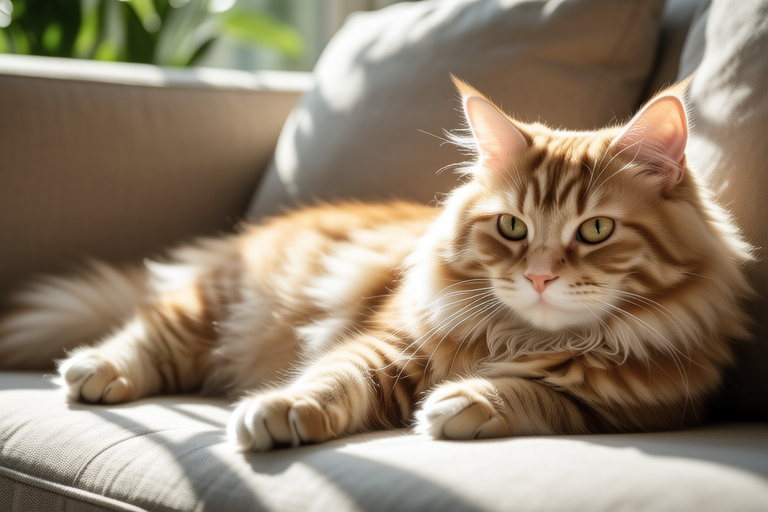
The Ultimate Guide to Caring for Your Orange Kitty Companion
Welcome to the ultimate guide to caring for your orange kitty companion! Whether you’re a first-time pet owner or a seasoned cat lover, this comprehensive guide will provide you with all the information you need to ensure your orange cat lives a long, healthy, and happy life. From dietary needs to grooming tips, health concerns, exercise, and environmental enrichment, we’ve got you covered.
Dietary Needs Specific to Orange Cats
Orange cats, like all felines, have unique dietary requirements that must be met to maintain their health and vitality. While there’s no specific diet for orange cats, they generally thrive on a high-quality, balanced diet that includes proteins, fats, vitamins, and minerals.
Proteins are essential for muscle development and maintenance, while fats provide energy and support healthy skin and coat. Vitamins and minerals are necessary for overall health and well-being. It’s important to choose a food that meets these nutritional needs and is appropriate for your cat’s age and lifestyle. Consult with your veterinarian to determine the best diet for your orange cat.
Grooming Tips
Grooming is an essential part of keeping your orange cat healthy and happy. Regular brushing helps remove loose fur, prevents matting, and distributes natural oils throughout the coat. It also provides an opportunity to bond with your cat and check for any signs of illness or injury.
For short-haired orange cats, a weekly brushing with a soft-bristled brush or comb should suffice. Long-haired orange cats may require more frequent grooming, perhaps twice a week, to prevent matting and tangling. Additionally, regular nail trimming, ear cleaning, and dental care are crucial aspects of grooming.
Health Concerns Common in Orange Cats
While orange cats are generally healthy, they can be prone to certain genetic conditions and health issues. One such condition is hypertrophic cardiomyopathy (HCM), a heart disease that affects the muscle tissue of the heart. Another concern is polycystic kidney disease (PKD), which can lead to kidney failure. Regular veterinary check-ups and early detection are key to managing these conditions.
Other common health issues in orange cats include obesity, urinary tract infections, and dental problems. Obesity can be prevented by maintaining a healthy weight through proper diet and exercise. Urinary tract infections can be managed by ensuring your cat has access to clean water and a litter box that is regularly cleaned. Dental problems can be addressed through regular brushing and professional cleanings.
Exercise and Play Recommendations
Physical activity is vital for the overall health and well-being of your orange cat. Regular exercise helps maintain a healthy weight, improves cardiovascular health, and reduces stress and anxiety. Encourage your cat to engage in physical activities by providing toys, scratching posts, and interactive games.
Interactive toys, such as laser pointers, feather wands, and puzzle feeders, stimulate your cat’s mind and body. Scratching posts provide an outlet for your cat’s natural instinct to scratch and stretch. Puzzle feeders encourage problem-solving skills and provide mental stimulation. Rotate toys periodically to keep your cat engaged and interested.
Kitten Care vs. Adult Cat Care
Kittens and adult cats have different care needs. Kittens require more attention and supervision, as they are still developing physically and mentally. Provide a safe environment for your kitten, free from hazards such as small objects that could be swallowed, toxic plants, and sharp edges.
Feed your kitten a diet specifically formulated for kittens, which contains higher levels of protein and fat to support growth and development. Gradually transition to adult cat food around one year of age. Socialize your kitten early to help them become comfortable with people and other animals. Provide plenty of playtime and affection to foster a strong bond.
Adult cats, on the other hand, have more established routines and behaviors. Continue to provide a balanced diet, regular exercise, and mental stimulation. Monitor your adult cat for changes in behavior or health, and schedule annual veterinary check-ups. As cats age, they may require more frequent vet visits and specialized care.
Behavioral Insights
Understanding your orange cat’s behavior is key to building a strong relationship and ensuring their well-being. Orange cats are known for their playful and curious nature. They enjoy exploring their surroundings and engaging in interactive play. Some orange cats may exhibit territorial behavior, especially when introduced to new environments or pets.
To address territorial behavior, provide multiple litter boxes, feeding stations, and resting areas. Gradually introduce new pets or people to your orange cat to minimize stress and anxiety. Positive reinforcement training can be used to encourage desired behaviors and discourage unwanted ones. Patience and consistency are key when working with your cat.
Advice on Creating a Stimulating Environment
A stimulating environment is essential for the physical and mental well-being of your orange cat. Provide a variety of toys, scratching posts, and climbing structures to encourage exploration and physical activity. Rotate toys periodically to keep your cat engaged and interested.
Consider creating a designated play area where your cat can safely explore and play. This area should be free from hazards and provide opportunities for climbing, hiding, and jumping. Window perches or bird feeders can offer your cat a view of the outdoors and stimulate their curiosity.
Tips for Bonding with Your Orange Cat
Bonding with your orange cat is an ongoing process that requires time, patience, and effort. Spend quality time with your cat each day, whether it’s playing, grooming, or simply sitting together. Use positive reinforcement techniques, such as treats and praise, to build trust and strengthen the bond.
Respect your cat’s boundaries and allow them to approach you at their own pace. Some cats may be more affectionate than others, but every cat has their own unique personality and preferences. Be patient and consistent in your interactions, and your bond will grow stronger over time.
In conclusion, caring for your orange kitty companion involves meeting their dietary needs, providing proper grooming, addressing health concerns, encouraging exercise and play, understanding their behavior, and creating a stimulating environment. By following these guidelines, you’ll be able to provide your orange cat with the love, care, and attention they deserve, ensuring a long and happy life together.
