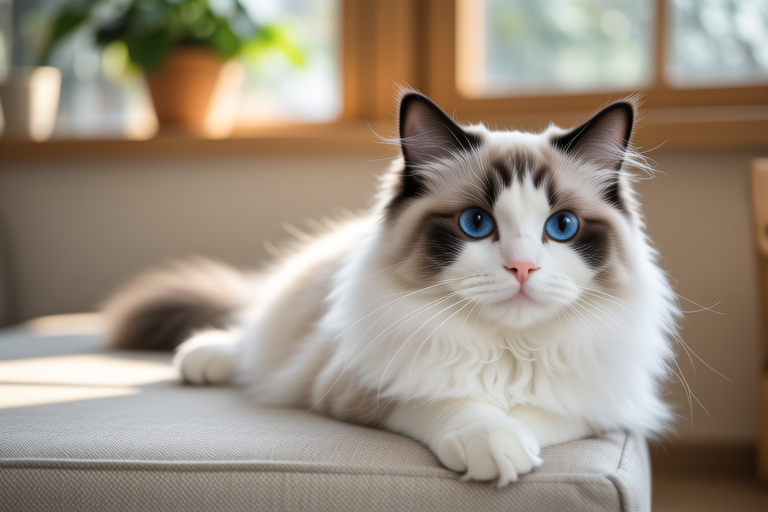
Unraveling the Mystique of the Ragdoll Cat: The Ultimate Lap Companion
The world of feline companionship is vast and varied, offering a wide array of breeds each with its own unique charm. Among these, the Ragdoll stands out as one of the most beloved and sought-after. Known for their docile demeanor and striking appearance, Ragdolls have captured the hearts of many with their gentle nature and affectionate disposition. This article delves into the fascinating history, characteristics, and care requirements of the Ragdoll breed, providing valuable insights for both current and future owners.
A Brief History of the Ragdoll
The origins of the Ragdoll can be traced back to the 1960s in California, where Ann Baker, a breeder, developed the breed from her domestic longhaired cats. She introduced Persian and Burmese bloodlines into her breeding program, creating a cat that was not only beautiful but also exceptionally friendly. The name ‘Ragdoll’ comes from the breed’s tendency to go limp when picked up, reminiscent of a soft, cuddly doll. Over time, the breed has gained recognition and popularity worldwide, thanks to its distinctive traits and endearing personality.
The Limping Trait: A Unique Identifier
One of the most intriguing features of the Ragdoll is its propensity to go completely limp when held or picked up. This characteristic, often referred to as “ragdolling,” is not just a physical reaction but a testament to the breed’s calm and trusting nature. Unlike other cats who might squirm or struggle, the Ragdoll relaxes entirely, making them ideal for cuddling and holding close. This trait makes them particularly appealing to families and individuals seeking a serene and interactive pet.
Gentle Giants: Personality and Temperament
Ragdolls are known for their gentle and affectionate nature. They are often described as the “dogs of the cat world” due to their loyalty and attachment to their human companions. These cats thrive on attention and enjoy being part of family activities, making them excellent lap companions. Their calm demeanor and playful yet subdued behavior make them suitable for households with children and other pets. Despite their laid-back attitude, Ragdolls are not entirely inactive; they enjoy interactive play and are known to follow their owners around the house, eager for any form of engagement.
Care and Maintenance
While Ragdolls are generally low-maintenance cats, they do require some specific care to keep them healthy and happy. Their semi-longhair coats need regular brushing to prevent matting and hairballs. Weekly grooming sessions are recommended to maintain their luxurious fur. Additionally, their eyes should be checked regularly for signs of infection or irritation, and their ears should be cleaned gently if necessary. Providing a balanced diet and ensuring access to fresh water are essential for their overall well-being.
Health Considerations
Like all breeds, Ragdolls come with certain health considerations. Some common issues include hypertrophic cardiomyopathy (HCM), a heart condition, and polycystic kidney disease (PKD). Responsible breeding practices and regular veterinary check-ups can help mitigate these risks. It is advisable for potential owners to research reputable breeders who prioritize the health and welfare of their cats. Early detection and treatment can significantly improve the quality of life for affected cats.
Behavioral Insights
Ragdolls are known for their predictable and consistent behavior, which adds to their appeal as pets. They are highly social animals and tend to form strong bonds with their human families. Their vocalization is usually soft and melodic, making them less intrusive than some other breeds. Ragdolls are also relatively quiet, which can be beneficial for those living in apartments or shared spaces. Their intelligence and curiosity make them responsive to training, and they can learn tricks such as fetching toys or using a litter box effectively.
Advice for Potential Owners
For those considering adding a Ragdoll to their household, it is important to understand the responsibilities involved. Providing a loving and stable environment is crucial for their emotional well-being. Regular interaction and playtime are essential to keep them mentally stimulated and physically active. Ensuring they have plenty of vertical space to explore and climb will also enhance their quality of life. Patience and understanding are key, as with any new addition to the family.
Testimonials and Anecdotes
Many owners attest to the deep bond they share with their Ragdoll cats. One owner, Sarah, shares, “My Ragdoll, Luna, has become more than just a pet; she’s a cherished member of our family. Her ability to relax completely in my arms gives me such comfort and joy.” Another owner, Mark, recounts, “Every evening, my Ragdoll, Max, curls up on my lap while we watch movies. His presence brings a sense of peace and companionship that I treasure.”
These stories highlight the special connection that develops between Ragdolls and their human companions. Their unique blend of beauty, temperament, and loyalty makes them an exceptional choice for those seeking a loving and devoted feline friend.
Conclusion
The Ragdoll cat is truly a marvel of the feline world, combining stunning aesthetics with an unparalleled affectionate nature. Their distinctive trait of going limp when held, along with their gentle and loyal demeanor, makes them the ultimate lap companion. With proper care and attention, Ragdolls can bring years of joy and companionship to their owners. Whether you’re a seasoned cat lover or considering your first feline friend, the Ragdoll is sure to captivate your heart and enrich your life in countless ways.
