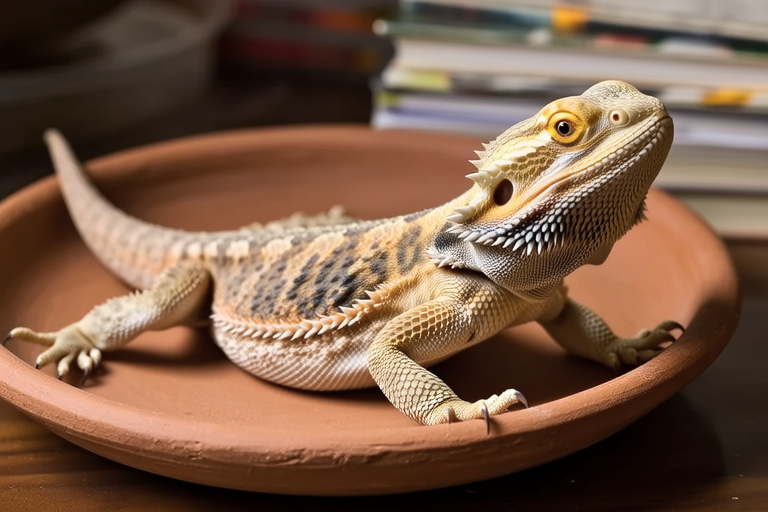
Top 5 Myths About Bearded Dragons You Need to Stop Believing
Bearded dragons have become increasingly popular as pets over the years, but with their growing popularity comes a lot of misinformation. Many of these myths can lead to improper care and even harm your beloved pet. This article aims to debunk five common myths about bearded dragons, providing you with accurate information based on scientific facts, expert opinions, and practical advice.
Myth 1: Bearded Dragons Can Survive on Just Crickets
One of the most widespread misconceptions about bearded dragons is that they can thrive solely on a diet of crickets. While crickets are an important part of a bearded dragon’s diet, offering them exclusively can lead to nutritional deficiencies and health problems.
The Truth: Bearded dragons require a varied diet that includes vegetables, fruits, and insects. The majority of their diet should consist of leafy greens like collard greens, dandelion greens, and mustard greens. Insects such as crickets, dubia roaches, and waxworms should only make up a small portion of their meals. Experts recommend feeding adult bearded dragons insects no more than two to three times a week. Juveniles, however, need more protein, so they can eat insects daily.
Practical Advice: Always ensure that any insects fed to your bearded dragon are gut-loaded (fed a nutritious diet themselves) and dusted with calcium and vitamin D3 supplements. Gut-loading enhances the nutritional value of the insects, which is crucial for your dragon’s overall health.
Myth 2: Bearded Dragons Don’t Need UVB Lighting
Another prevalent myth is that bearded dragons don’t require UVB lighting. Some believe that placing their enclosure near a window or providing regular exposure to sunlight is sufficient.
The Truth: Bearded dragons need UVB light to synthesize vitamin D3, which is essential for calcium absorption and bone health. Without adequate UVB lighting, bearded dragons can develop metabolic bone disease, leading to weakened bones, fractures, and other severe health issues. UVB bulbs should be replaced every six months, even if they still appear to be working, as the UVB output diminishes over time.
Practical Advice: Invest in a high-quality UVB bulb designed specifically for reptiles. Position the bulb within 12 inches of where your bearded dragon spends most of its time basking. Remember, UVB bulbs should be turned off at night, and enclosures should always have a dark period for your dragon to rest.
Myth 3: Bearded Dragons Should Be Fed Wild-Caught Insects
Some people believe that wild-caught insects are better for bearded dragons because they are more natural. They argue that captive-bred insects are less nutritious and may carry diseases.
The Truth: Wild-caught insects can indeed carry parasites, bacteria, and pesticides that can harm your bearded dragon. Captive-bred insects, on the other hand, are safer and more nutritious when properly gut-loaded. Additionally, captive-bred insects are more consistent in size, making it easier to feed them appropriately to your dragon without the risk of choking.
Practical Advice: Always purchase insects from reputable suppliers who prioritize the health and safety of their animals. Gut-load your insects with fresh vegetables and fruits before feeding them to your bearded dragon to maximize their nutritional value.
Myth 4: Bearded Dragons Can Be Kept in Small Enclosures
A common belief among new owners is that bearded dragons can live comfortably in small tanks or enclosures. They often underestimate the space required for these lizards to move around and thermoregulate effectively.
The Truth: Bearded dragons need ample space to explore and maintain their health. A juvenile bearded dragon requires at least a 20-gallon tank, while adults need a 40-gallon or larger enclosure. Providing enough space allows your dragon to thermoregulate by moving between cooler and warmer areas, which is vital for their well-being. Lack of space can lead to stress, obesity, and other health issues.
Practical Advice: Set up multiple basking spots at different temperatures to mimic their natural environment. Ensure there are plenty of climbing branches and hiding spots for mental stimulation and comfort. Regularly clean and disinfect the enclosure to maintain hygiene.
Myth 5: Bearded Dragons Are Low-Maintenance Pets
Many potential owners mistakenly believe that bearded dragons are easy to care for, requiring minimal attention and maintenance. They assume that once set up, these reptiles will take care of themselves.
The Truth: While bearded dragons are generally hardy and adaptable, they still require proper care and attention. Maintaining optimal temperature, humidity, and nutrition is crucial for their health. Regular veterinary check-ups are also necessary to catch any potential health issues early. Bearded dragons can suffer from various ailments, including respiratory infections, impaction, and metabolic bone disease, all of which require prompt medical attention.
Practical Advice: Stay informed about the latest care practices and be prepared to adapt as your dragon grows. Establish a routine for feeding, cleaning, and handling. Regular interaction and gentle handling help keep your bearded dragon calm and comfortable.
General Tips for Responsible Bearded Dragon Ownership
Owning a bearded dragon can be a rewarding experience, but it also comes with significant responsibilities. Here are some general tips to ensure your dragon leads a healthy and happy life:
- Research Thoroughly: Before bringing a bearded dragon home, thoroughly research their needs and prepare accordingly.
- Choose Reputable Breeders: Select a breeder who prioritizes the health and welfare of their animals.
- Provide Proper Nutrition: Feed a balanced diet of vegetables, fruits, and insects, ensuring all food items are safe and appropriate for your dragon.
- Maintain Cleanliness: Regularly clean and disinfect the enclosure to prevent bacterial growth and ensure a hygienic living environment.
- Monitor Health: Keep an eye out for any signs of illness or distress and consult a veterinarian if needed.
- Handle Gently: Bearded dragons are social creatures, but they should be handled gently and regularly to build trust.
By understanding and addressing these common myths, you’ll be better equipped to provide the best possible care for your bearded dragon. With the right knowledge and dedication, you can enjoy a long and fulfilling relationship with this fascinating reptile.
