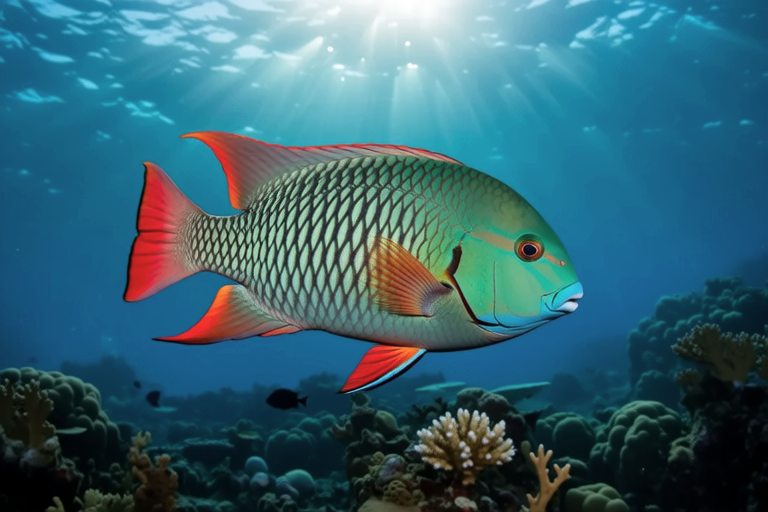
Unraveling the Vibrant World of Parrot Fish
The ocean teems with an array of fascinating creatures, each contributing uniquely to the rich tapestry of marine life. Among these, parrot fish stand out as particularly captivating due to their striking appearance, unique behaviors, and crucial ecological roles. This article delves into the diverse world of parrot fish, exploring their species, characteristics, habitats, diets, behaviors, and conservation status. We will also uncover some intriguing facts and myths surrounding these colorful denizens of the sea.
Diverse Species of Parrot Fish
Parrot fish belong to the family Scaridae and are found primarily in tropical and subtropical waters across the globe. There are over 90 recognized species of parrot fish, each displaying distinct physical traits and adaptations suited to their specific environments. Some notable species include the queen parrotfish (Scarus vetula), which is widely distributed throughout the Caribbean; the blue-green parrotfish (Scarus caeruleus), known for its bright hues; and the bumphead parrotfish (Bolbometopon muricatum), one of the largest species reaching up to 1.2 meters in length.
Unique Characteristics and Vibrant Colors
One of the most striking features of parrot fish is their vivid coloration and intricate patterns. These hues range from brilliant blues and greens to fiery reds and oranges, often adorned with stripes, spots, and other decorative markings. The vibrant palette serves multiple purposes: it aids in camouflage, attracts mates, and warns potential predators of their unpalatability. Additionally, many parrot fish undergo dramatic changes in appearance as they mature, a phenomenon known as sexual dichromatism. For instance, juvenile queen parrotfish start off with a predominantly brownish color but transition into more colorful adults.
Habitats and Ecological Role
Parrot fish inhabit coral reefs, seagrass beds, and rocky shores where they find abundant food sources and shelter. Coral reefs provide ideal conditions for parrot fish, offering both protection from larger predators and an ample supply of algae and coral polyps upon which they feed. Their feeding habits have significant implications for reef health. By grazing on algae that could otherwise smother corals, parrot fish help maintain the delicate balance within reef ecosystems.
Diet and Feeding Habits
Parrot fish possess specialized teeth arranged in beak-like structures, allowing them to scrape algae off rocks and coral surfaces. They also consume small pieces of coral, extracting nutrients from the polyps embedded within. After digestion, these indigestible remains pass through the digestive tract unchanged, resulting in the production of fine sand. This process, known as bioerosion, contributes significantly to the formation of sandy beaches along coastlines.
Behavioral Traits
Parrot fish exhibit several fascinating behaviors. Many species form large schools during daytime hours when they graze on algae, dispersing into smaller groups at nightfall for protection against nocturnal predators. Some parrot fish engage in cleaning behavior, removing parasites from other fish. Interestingly, certain species can change sex during their lifetimes, transitioning from female to male if necessary. This flexibility ensures reproductive success even in populations with skewed gender ratios.
Conservation Status
Despite their importance to marine ecosystems, parrot fish face numerous threats including overfishing, habitat destruction, and climate change. Overfishing poses a significant risk, especially for larger species like the bumphead parrotfish, whose slow growth rates make them vulnerable to population declines. Habitat degradation caused by coastal development and pollution further exacerbates this issue. Rising ocean temperatures and acidification linked to global warming also threaten coral reefs, reducing available habitat for parrot fish.
Facts and Myths
Several myths surround parrot fish, one being that their feces contribute to beach erosion. While it’s true that parrot fish produce sand through digestion, this contribution is relatively minor compared to natural processes such as wave action and wind erosion. Another misconception is that all parrot fish produce pearls. In reality, only oysters and certain mollusks produce pearls.
Some lesser-known facts about parrot fish include their ability to sleep with open eyes, thanks to a transparent membrane covering their corneas. They also communicate using sounds produced by grinding their pharyngeal teeth together, creating distinctive clicking noises audible underwater. Furthermore, parrot fish play a vital role in maintaining water quality by consuming large amounts of algae, preventing harmful algal blooms.
Conclusion
The world of parrot fish is a vibrant and complex one, filled with beauty, mystery, and ecological significance. From their dazzling colors to their essential role in preserving coral reefs, these remarkable creatures deserve our attention and protection. As we continue to explore and understand more about parrot fish, it becomes increasingly clear that safeguarding their habitats and ensuring sustainable fishing practices are crucial steps towards maintaining healthy marine ecosystems for future generations.
