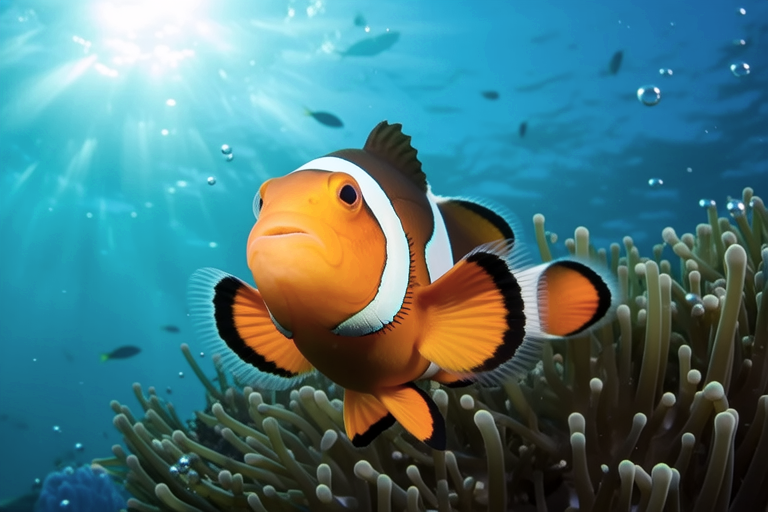
Behind the Scenes of a Clownfish’s Life: Secrets You Need to Know
Welcome to the vibrant and fascinating world of the clownfish! These beloved marine creatures have captured our hearts through animated films like Finding Nemo, but there’s much more to these colorful fish than meets the eye. From their unique habitat preferences to their complex social structures, clownfish offer a treasure trove of intriguing secrets. Dive into this article to explore the behind-the-scenes life of a clownfish.
Habitats: Where Do Clownfish Call Home?
Clownfish, also known as anemonefish, thrive in the warm waters of coral reefs in the Indo-Pacific region, stretching from the Red Sea and East Africa to the Pacific Islands and Japan. Their preferred habitats are rich in corals and sea anemones, which provide both shelter and food. These fish are most commonly found at depths ranging from 3 to 60 meters, where they can enjoy the protection of their anemone hosts.
The coral reefs act as bustling cities under the sea, teeming with life and activity. Clownfish prefer areas with plenty of hiding spots and food sources, making them well-suited for survival in these dynamic environments. While clownfish are generally found in shallow waters, some species can live deeper, adapting to different water pressures and temperatures.
The Symbiotic Relationship: Clownfish and Sea Anemones
One of the most remarkable aspects of clownfish biology is their symbiotic relationship with sea anemones. This partnership benefits both parties, creating a mutually beneficial arrangement that has fascinated scientists for decades.
Sea anemones are cnidarians that possess tentacles equipped with stinging cells called nematocysts. These cells deliver a potent sting to potential predators, effectively protecting the anemone. However, clownfish have developed a special mucus layer on their skin that prevents the anemone from detecting them as prey. This adaptation allows clownfish to live among the tentacles without being harmed by the stings.
In return for protection, clownfish help the anemone by driving away parasites and providing nutrients through their waste. They also attract other fish, which the anemone can then capture and consume. The clownfish’s vibrant colors serve as a warning to potential predators, signaling the presence of the anemone’s deadly stings.
Breeding Behaviors: Clownfish Family Dynamics
Clownfish exhibit a unique social structure within their colonies, characterized by a strict hierarchy. Each group typically consists of a single breeding pair and several non-breeding individuals. The dominant female is usually the largest fish in the group, followed by the dominant male. The remaining members are smaller and often juvenile.
The breeding process begins when the dominant female lays her eggs, usually on a flat surface near the anemone. The male then fertilizes the eggs by releasing sperm over them. Both parents take turns guarding the eggs, ensuring they remain free from predators and debris. After approximately seven days, the eggs hatch, releasing tiny clownfish larvae into the ocean.
Once the larvae reach maturity, they settle back into the reef environment, where they join existing groups or form new colonies. The juveniles often take on the role of helpers, assisting the breeding pair in maintaining the colony’s health and stability. If the dominant female dies, the dominant male undergoes a remarkable transformation, becoming the new breeding female.
Diet: What Do Clownfish Eat?
Clownfish are omnivores, meaning they consume both plant and animal matter. Their diet primarily consists of algae, plankton, and small invertebrates such as copepods and brine shrimp. In captivity, clownfish can also be fed commercial fish foods designed for omnivorous marine species. A balanced diet is crucial for maintaining their health and vibrant coloration.
While clownfish are opportunistic feeders, their diet in the wild is influenced by the availability of food sources in their habitat. In aquarium settings, it’s essential to replicate their natural diet as closely as possible to ensure their well-being. Providing a variety of foods helps prevent nutritional deficiencies and promotes overall health.
Threats in the Wild: Challenges Clownfish Face
Despite their popularity and adaptability, clownfish face numerous challenges in the wild. One of the primary threats is habitat destruction due to climate change, pollution, and human activities such as coral mining and coastal development. As coral reefs decline, so do the habitats that support clownfish populations.
Overfishing and the pet trade also pose significant risks. Many clownfish are captured for aquariums, reducing their numbers in the wild. Additionally, rising ocean temperatures and acidity levels can stress clownfish and their anemone hosts, potentially leading to declines in population.
Conservation efforts are vital to protect clownfish and their ecosystems. By supporting sustainable fishing practices, reducing plastic waste, and advocating for marine protected areas, we can help ensure the survival of these beloved fish and their delicate habitats.
Interesting Facts: Did You Know?
Clownfish are not only fascinating for their behavior but also for their unique characteristics:
- Gender Flexibility: Clownfish have the ability to change sex, starting as males and later becoming females if needed. This trait ensures the continuation of their species, especially in the absence of a breeding female.
- Color Variations: There are around 30 recognized species of clownfish, each displaying distinct patterns and colors. Some species are even known to display different color variations depending on their age and location.
- Swimming Abilities: Clownfish are agile swimmers, capable of moving swiftly through the water. Their fins and tail work together to allow them to dart in and out of anemone tentacles with ease.
- Nocturnal Behavior: While clownfish are active during the day, they tend to become more cautious and less visible at night, seeking refuge in the safety of their anemone homes.
Conclusion: Embracing the Magic of Clownfish
The clownfish’s life is a testament to the intricate balance of nature, showcasing the beauty and complexity of marine ecosystems. From their symbiotic relationships with sea anemones to their unique breeding behaviors and dietary habits, these fish offer endless fascination for both scientists and enthusiasts alike.
By understanding and appreciating the challenges clownfish face in the wild, we can work towards preserving their habitats and ensuring their continued existence. Whether you’re an aquarium enthusiast or simply curious about the underwater world, clownfish remain a captivating subject of study and admiration.
