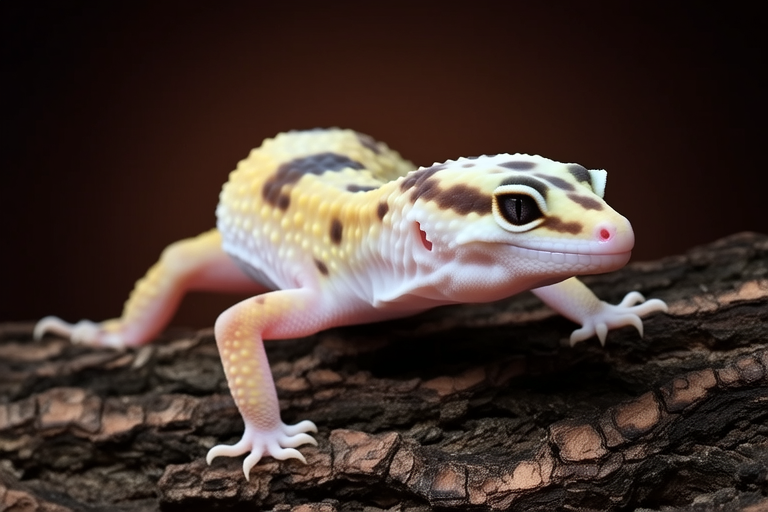
Chameleon Care 101: Tips for First-Time Owners
Welcome to the wonderful world of chameleon care! These fascinating reptiles are known for their vibrant colors and unique ability to change hues. However, they require specific care to thrive in captivity. This guide will help you understand the basics of chameleon care, ensuring your pet leads a healthy and happy life.
Habitat Setup: Creating a Comfortable Home
The first step in chameleon care is setting up a suitable enclosure. Chameleons are arboreal creatures, meaning they spend most of their time in trees. Therefore, their enclosure should mimic their natural environment as closely as possible.
Enclosure Size
For a juvenile chameleon, a 20-gallon tank is adequate. As they grow, especially species like the veiled chameleon, a larger enclosure becomes necessary. An adult veiled chameleon, for instance, requires a minimum of 4 feet by 2 feet by 4 feet (height) of space. The taller the cage, the better, as chameleons need vertical space to climb and bask.
Lighting
Proper lighting is crucial for your chameleon’s well-being. They require both UVB and UVA light. UVB light helps them synthesize vitamin D3, which is essential for calcium absorption. A high-quality UVB bulb should be placed within 6-12 inches of where the chameleon spends most of its time. Replace the bulb every six months or as recommended by the manufacturer. UVA light promotes overall health and activity. Full-spectrum lights that provide both UVA and UVB are ideal.
Temperature
Maintaining the right temperature gradient is vital. Chameleons are ectothermic, meaning they rely on external heat sources to regulate their body temperature. Install a basking spot with a heat lamp that reaches between 90-100°F (32-38°C). The cooler side of the enclosure should range from 75-85°F (24-29°C). Use thermometers to monitor temperatures accurately. Avoid placing the enclosure near direct sunlight or drafts, which can cause temperature fluctuations.
Humidity
Chameleons require a humid environment, typically ranging from 50% to 70%. Proper humidity levels prevent dehydration and respiratory issues. Mist the enclosure two to three times daily or install a misting system. Additionally, a shallow water dish can be provided, though many chameleons prefer to drink droplets from leaves.
Diet: Nourishing Your Chameleon
Feeding your chameleon a balanced diet is essential for their health. Their diet should consist mainly of live insects, supplemented with occasional plant matter.
Types of Food
Insects such as crickets, dubia roaches, and mealworms are excellent choices. Always ensure that the insects are gut-loaded, meaning they have been fed nutritious foods before being offered to your chameleon. You can also dust insects with a calcium and vitamin D3 supplement once or twice a week. Offering a variety of greens, such as collard greens, mustard greens, and dandelion greens, can be beneficial, but these should be minimal in their diet.
Feeding Schedules
Feed juveniles daily, offering as much as they can consume in about 15 minutes. Adults can be fed every other day. Monitor your chameleon’s weight to adjust the quantity accordingly. Overfeeding can lead to obesity, while underfeeding may result in malnutrition.
Health Monitoring: Keeping an Eye on Your Pet
Regular health checks are crucial for early detection of any issues. Familiarize yourself with signs of illness and know when to seek veterinary assistance.
Signs of Illness
Monitor your chameleon for changes in behavior, appetite, and appearance. Lethargy, lack of appetite, excessive sleeping, or unusual discharge from the nose or eyes are potential indicators of illness. Discoloration, particularly dull or pale coloration, can also signal health problems. Regularly check for parasites and infections.
Regular Check-Ups
Visit a veterinarian specializing in reptiles at least once a year for a comprehensive check-up. During these visits, the vet will examine your chameleon’s overall health, perform necessary tests, and offer advice on maintaining optimal care.
Common Mistakes to Avoid
Many new chameleon owners make common mistakes that can negatively impact their pet’s health. Here are some pitfalls to watch out for:
- Improper Enclosure Setup: Insufficient space, incorrect lighting, or inadequate humidity levels can stress your chameleon.
- Overhandling: Chameleons are not social animals and do not enjoy being handled frequently. Limit handling to necessary tasks, such as cleaning the enclosure or checking for health issues.
- Incorrect Feeding: Feeding inappropriate or insufficient quantities of food can lead to malnutrition or obesity.
- Lack of Veterinary Care: Failing to schedule regular check-ups with a reptile veterinarian can delay the diagnosis and treatment of health issues.
Handling and Social Interaction
Chameleons are not naturally social animals and do not enjoy being handled. They are solitary creatures that prefer to spend most of their time in their enclosure. When handling is necessary, such as during cleaning or health checks, follow these guidelines:
- Handle your chameleon gently and support their body fully. Do not allow them to walk freely on your hands, as this can lead to falls.
- Limit handling sessions to no more than 15 minutes. Frequent handling can cause stress and disrupt their routine.
- Always wash your hands before and after handling to prevent the spread of bacteria.
While chameleons do not enjoy social interaction, they can still form a bond with their owner through consistent care and observation. Watching them bask, eat, and move around can be a rewarding experience for both you and your pet.
Conclusion
Caring for a chameleon is a rewarding yet challenging responsibility. By providing a suitable habitat, a balanced diet, and regular health checks, you can ensure your chameleon thrives. Remember to handle your pet gently and limit interactions to necessary tasks. With proper care and attention, your chameleon will live a long and healthy life. Happy chameleon keeping!
