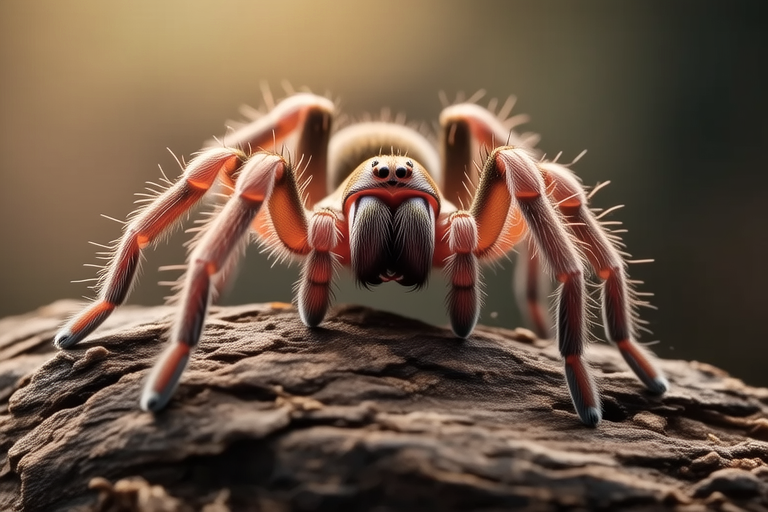
Chilean Rose Tarantulas: Misconceptions and Truths
The Chilean Rose tarantula (Grammostola rosea) is one of the most popular pet tarantulas among enthusiasts. This species has gained popularity due to its relatively docile nature, striking appearance, and ease of care. However, like many exotic pets, there are numerous misconceptions surrounding this spider. In this article, we will explore the truths and myths about Chilean Rose tarantulas, delving into their natural habitat, behavior, diet, and interactions within their environment. We will also address common myths about their temperament, venom, and care requirements, and provide factual information on their conservation status and efforts.
Natural Habitat and Behavior
Native to the arid regions of Chile, Argentina, and Bolivia, the Chilean Rose tarantula thrives in dry, desert-like environments. They prefer burrowing in sandy soil where they can create elaborate underground tunnels. In the wild, these spiders are primarily nocturnal, emerging at night to hunt small insects and other arthropods. Their burrows serve as both homes and hunting grounds, providing them with protection from predators and harsh environmental conditions.
One of the most fascinating aspects of the Chilean Rose tarantula’s behavior is their ability to adapt to different environments. While they are naturally found in arid regions, they have been successfully introduced into various parts of the world as pets. This adaptability is partly due to their low-maintenance care requirements, making them an ideal choice for beginners in the exotic pet community.
Diet and Interaction Within Their Environment
In the wild, Chilean Rose tarantulas are opportunistic hunters, feeding on a variety of small insects and other arthropods. Their diet includes crickets, grasshoppers, and even small lizards. As pets, they require a similar diet, though owners often feed them commercially available crickets or mealworms. It’s important to ensure that the prey items are appropriately sized for the tarantula to avoid injury.
Within their environment, Chilean Rose tarantulas play a crucial role in maintaining the balance of insect populations. By preying on smaller insects, they help control pest populations, which is beneficial for both their ecosystem and human agricultural activities. Additionally, their burrowing behavior helps aerate the soil, promoting plant growth and overall ecosystem health.
Common Myths About Temperament and Venom
One of the most common misconceptions about Chilean Rose tarantulas is their aggressive nature. Many people assume that all tarantulas are highly aggressive and dangerous, but this couldn’t be further from the truth. While some species of tarantulas can be defensive and may bite if provoked, the Chilean Rose is generally considered one of the more docile species. They are known for their calm demeanor and are less likely to attack unless severely threatened.
Another myth surrounding Chilean Rose tarantulas is the potency of their venom. While it’s true that all tarantulas possess venom, the venom of the Chilean Rose is relatively mild and not considered harmful to humans. Their venom is primarily used to subdue prey, and while a bite can cause localized pain and swelling, it is not life-threatening. However, it’s always wise to handle any animal with respect and care.
Care Requirements
As pets, Chilean Rose tarantulas are relatively easy to care for, making them an excellent choice for beginners in the exotic pet community. They require a terrarium with a substrate that allows for burrowing, such as coconut fiber or sand. The enclosure should also include hiding spots and climbing structures to mimic their natural environment. Temperature and humidity levels should be maintained at around 75-85°F (24-29°C) and 60-70%, respectively, to replicate their native habitat.
Feeding is straightforward, with crickets or mealworms being the most common food sources. It’s essential to gut-load the feeder insects with nutritious foods before offering them to the tarantula to ensure optimal nutrition. Additionally, regular misting of the enclosure helps maintain appropriate humidity levels.
Conservation Status and Efforts
The Chilean Rose tarantula is currently listed as Least Concern by the International Union for Conservation of Nature (IUCN). However, habitat destruction and over-collection for the pet trade pose significant threats to their populations. Conservation efforts focus on protecting their natural habitats and regulating the trade to prevent overexploitation. Some organizations work to educate the public about responsible pet ownership and encourage breeding programs to reduce pressure on wild populations.
Personally, I’ve had the pleasure of observing Chilean Rose tarantulas in captivity and in their natural habitats. Watching them construct intricate burrows and capture prey is truly mesmerizing. Their resilience and adaptability make them fascinating subjects of study, and their presence in the pet trade highlights the importance of responsible sourcing and care.
Conclusion
The Chilean Rose tarantula is a remarkable species with much to offer in terms of education and enjoyment. By dispelling common myths and providing accurate information, we can foster a better understanding of these incredible creatures. Whether you’re considering adding one to your collection or simply curious about the world of exotic pets, the Chilean Rose tarantula is sure to captivate and inspire.
