The Ultimate Guide to Living with a Shiba Inu: Tips and Tricks
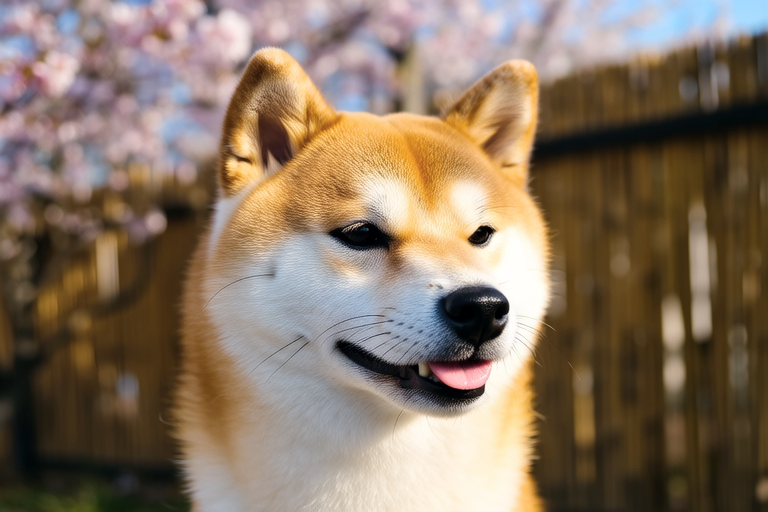
Welcome to the world of Shiba Inus! These small yet sturdy dogs have captured the hearts of many pet lovers with their striking red coats and fox-like appearance. However, owning a Shiba Inu comes with its own set of challenges due to their unique temperament and specific care requirements. This comprehensive guide will walk you through everything you need to know about living with a Shiba Inu, from understanding their behavior to maintaining their health and happiness.
Understanding the Shiba Inu’s Temperament
Shiba Inus are known for their independent and sometimes stubborn nature. They were originally bred for hunting in the mountainous regions of Japan, which explains their strong prey drive and natural instincts. Their loyalty to their family is undeniable, but they can be aloof with strangers and other animals. Early socialization is crucial to help them become comfortable around different people and situations.
These dogs are also highly intelligent, which means they can quickly learn commands and tricks. However, their intelligence can also lead to mischief if not properly engaged or trained. Owners must be patient and consistent in their approach to training, as Shibas may test boundaries and resist commands that don’t align with their preferences.
Training Techniques Suited for the Breed
Positive reinforcement is key when training a Shiba Inu. Use treats, praise, and play as rewards for good behavior. Avoid harsh punishments, as this can damage your bond with your dog and make them more resistant to training. Start training early and keep sessions short and fun to maintain their interest.
Consistency is vital. Make sure all family members use the same commands and follow the same rules. Shibas thrive on structure and routine, so establishing a clear set of expectations will help them understand what is expected of them. Crate training can be particularly effective for housebreaking and teaching your Shiba Inu to feel secure in their space.
Dietary Needs
Feeding your Shiba Inu a balanced diet is crucial for their overall health. High-quality commercial dog food formulated for small breeds is usually sufficient, but you may want to consult with your veterinarian to determine the best diet based on your dog’s age, weight, and activity level. Avoid overfeeding, as obesity can lead to joint problems and other health issues.
Water is just as important as food. Always provide fresh water and monitor your Shiba Inu’s hydration levels, especially during hot weather. Some Shibas may develop a preference for certain flavors or textures, so it might take some experimentation to find the right diet for your dog.
Grooming Requirements
Shibas have a double coat that requires regular grooming to prevent matting and shedding. Brush them at least twice a week, increasing frequency during shedding seasons. Bathing should be done only when necessary, as frequent bathing can strip their coat of natural oils. Use a gentle dog shampoo and conditioner specifically designed for double-coated breeds.
In addition to brushing, check your Shiba Inu’s ears weekly for signs of infection or wax buildup. Clean their teeth regularly to prevent dental disease. Nails should be trimmed every few weeks, or as needed, to avoid overgrowth.
Exercise Recommendations
Despite their small size, Shibas are energetic dogs that require plenty of exercise to stay healthy and happy. Daily walks and playtime are essential, but remember that Shibas can be independent thinkers and may not always follow commands during walks. Leashes and harnesses can help keep them under control.
Interactive toys and puzzle feeders are great ways to engage your Shiba Inu mentally and physically. Agility courses and fetch games can also provide excellent exercise opportunities while strengthening the bond between you and your dog.
Common Health Issues
Like any breed, Shibas are prone to certain health conditions. Hip dysplasia and patellar luxation are common orthopedic issues that can cause discomfort and mobility problems. Regular veterinary check-ups and maintaining a healthy weight can help reduce the risk of these conditions.
Eyelid entropion, a condition where the eyelids roll inward, can cause irritation and vision problems. Early detection and treatment by a veterinarian are crucial. Hypothyroidism, an underactive thyroid gland, can affect metabolism and energy levels. Routine blood tests can help monitor thyroid function and catch any issues early.
Socializing Your Shiba Inu
Early socialization is essential for raising a well-adjusted Shiba Inu. Expose your puppy to various environments, people, and animals from a young age. Positive experiences will help them become more comfortable and confident in different situations.
When introducing your Shiba Inu to other pets, proceed with caution. Monitor interactions closely and intervene if any signs of aggression or fear arise. Gradual introductions and supervised play sessions can help build positive relationships between your Shiba Inu and other animals.
Managing Typical Behaviors
Independence and stubbornness are hallmarks of the Shiba Inu personality. To manage these traits, establish yourself as the pack leader through consistent training and routines. Be patient and persistent, and remember that positive reinforcement goes a long way in shaping desired behaviors.
Separation anxiety can be a challenge for some Shibas. Providing them with toys and puzzles to keep them occupied can help ease their anxiety. Gradually increase the time you spend away from home to desensitize them to your absence.
Conclusion
Owning a Shiba Inu is a rewarding experience that requires commitment and effort. By understanding their temperament, providing proper training, nutrition, and exercise, and addressing any health concerns promptly, you can ensure a long and happy life together. With patience, love, and consistency, you’ll be able to enjoy the unique companionship that a Shiba Inu offers.
