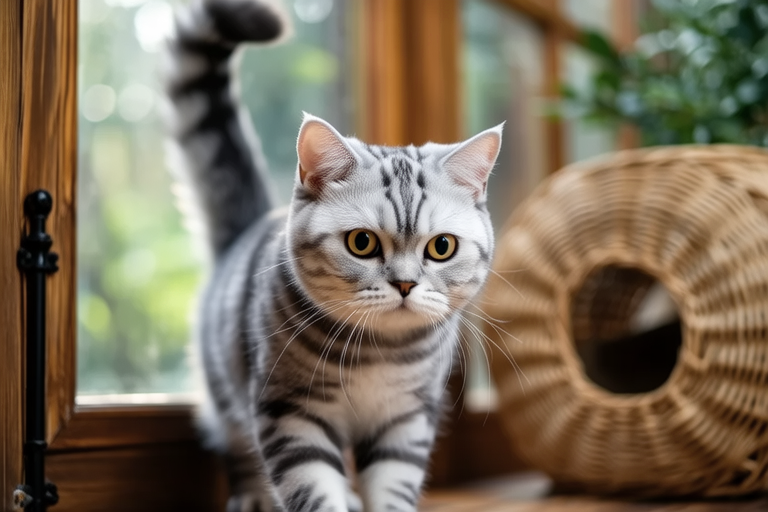
American Shorthair Cats: A Comprehensive Guide
The American Shorthair is a breed of domestic cat that has been cherished by cat lovers for centuries. Known for their robust health, friendly demeanor, and adaptability, these cats have a rich history that dates back to the early settlers of America. This article explores the nuances of American Shorthair behaviors, including their grooming habits, communication methods, and territorial marking. We will also delve into less-known aspects such as their interaction preferences, environmental needs, and how their behavior changes with age or health.
History of the American Shorthair
The American Shorthair is one of the oldest breeds in North America, with a lineage tracing back to European cats brought over by early settlers. These cats were valued for their ability to control rodent populations on ships and farms. Over time, they adapted to the harsh conditions of the New World, developing a strong, sturdy build and a thick coat that protected them from cold weather. The breed was officially recognized by the Cat Fanciers’ Association (CFA) in 1906, and since then, it has become one of the most popular breeds in the United States.
Physical Traits
American Shorthairs are medium-sized cats with a muscular, athletic build. They typically weigh between 7 and 12 pounds, with males being slightly larger than females. Their coats are short and dense, with a variety of colors and patterns, including solid colors, tabby, and bi-colors. The breed’s most distinctive feature is its wide-set eyes, which can be green, blue, or copper-colored. Their ears are medium-sized and set well apart, giving them an alert and intelligent appearance.
Temperament
American Shorthairs are known for their calm, gentle nature and are often described as “the ideal family pet.” They are affectionate but not overly demanding, making them suitable for households with children and other pets. While they enjoy human companionship, they are also independent and can entertain themselves when necessary. This balance makes them excellent companions for people who work long hours or live in small spaces.
Grooming Rituals
Cats are meticulous groomers, and American Shorthairs are no exception. They spend a significant portion of their day grooming themselves, using their rough tongues to remove dirt and loose fur. Owners may notice their cats licking their paws and rubbing them over their faces, a behavior known as allogrooming, which helps to distribute natural oils and maintain their coat’s condition. Regular brushing can help reduce shedding and keep their coat healthy.
Communication Through Body Language
American Shorthairs communicate primarily through body language, with vocalization playing a secondary role. They use their tails to express emotions, holding them high when they are happy or confident and tucking them between their legs when they feel threatened or scared. Their ears also play a crucial role in communication, swiveling towards sounds of interest or flattening against their heads when they are upset. Understanding these signals can help owners respond appropriately to their cat’s needs.
Territorial Marking
Like many cats, American Shorthairs engage in territorial marking, which involves scratching and spraying. Scratching serves multiple purposes, including sharpening claws, stretching muscles, and leaving visual and scent marks. Spraying, on the other hand, is more common in unneutered male cats and involves releasing urine to mark territory. Providing appropriate scratching posts and toys can help redirect this behavior and prevent damage to furniture.
Interaction Preferences
American Shorthairs are generally social animals that enjoy interacting with humans and other pets. However, they have individual preferences regarding the type and amount of interaction they desire. Some cats may prefer quiet, low-stress environments, while others may thrive in busier households. It is essential to observe your cat’s behavior and adjust your interactions accordingly. Providing a variety of toys and activities can help stimulate their minds and bodies, reducing the risk of boredom-related behavioral issues.
Environmental Needs
American Shorthairs require an environment that meets their physical and emotional needs. They are active cats that enjoy climbing, jumping, and exploring, so providing vertical spaces such as cat trees and shelves can help satisfy these instincts. Additionally, they benefit from having a safe, comfortable resting area where they can retreat when they need some alone time. Ensuring that their living space is clean and free from hazards is crucial for their well-being.
Behavioral Changes with Age and Health
As American Shorthairs age, they may experience changes in their behavior due to physical or cognitive decline. Older cats may become more lethargic, less interested in play, or more prone to anxiety. Monitoring their health and addressing any concerns promptly can help maintain their quality of life. Similarly, cats with chronic health conditions may exhibit altered behavior, such as increased irritability or decreased appetite. Consulting with a veterinarian can provide guidance on managing these changes.
Training Methods
While cats are often considered difficult to train, American Shorthairs can learn basic commands and tricks with patience and positive reinforcement. Clicker training, where a clicker is used to signal correct behavior followed by a reward, can be particularly effective. Consistency is key, and training sessions should be short and fun to keep the cat engaged. Teaching commands such as “sit,” “stay,” and “come” can enhance communication and strengthen the bond between owner and cat.
Potential Behavioral Issues
Despite their generally good temperaments, American Shorthairs may develop behavioral issues if their needs are not met. Common problems include aggression, inappropriate elimination, and excessive grooming. Addressing these issues requires identifying the underlying cause and implementing appropriate solutions. For example, aggression may be a result of fear or frustration, while inappropriate elimination could indicate a medical problem or dissatisfaction with litter box cleanliness. Seeking advice from a professional animal behaviorist can provide valuable insights and strategies.
Enhancing Well-Being
To enhance the well-being of American Shorthairs, it is essential to understand their natural instincts and social structures. Providing opportunities for exercise, mental stimulation, and social interaction can help prevent behavioral problems and promote overall health. Incorporating puzzle feeders, interactive toys, and regular play sessions can keep their minds sharp and their bodies fit. Additionally, maintaining a routine and creating a safe, enriching environment can contribute to their happiness and longevity.
Practical Tips for Owners
- Provide Vertical Spaces: Install cat trees, shelves, or window perches to allow your cat to explore and climb.
- Encourage Play: Use interactive toys and play sessions to stimulate your cat’s mind and body.
- Monitor Health: Schedule regular veterinary check-ups and address any health concerns promptly.
- Understand Communication: Learn to interpret your cat’s body language and vocalizations to better understand their needs.
- Train Positively: Use positive reinforcement techniques to teach basic commands and tricks.
- Prevent Boredom: Rotate toys and provide new challenges to keep your cat mentally stimulated.
- Address Behavior: Seek professional advice if you encounter persistent behavioral issues.
By understanding the unique behaviors and needs of American Shorthairs, owners can create a loving, enriching environment that promotes their cat’s happiness and health. With proper care and attention, these wonderful companions can bring years of joy and companionship to their families.
