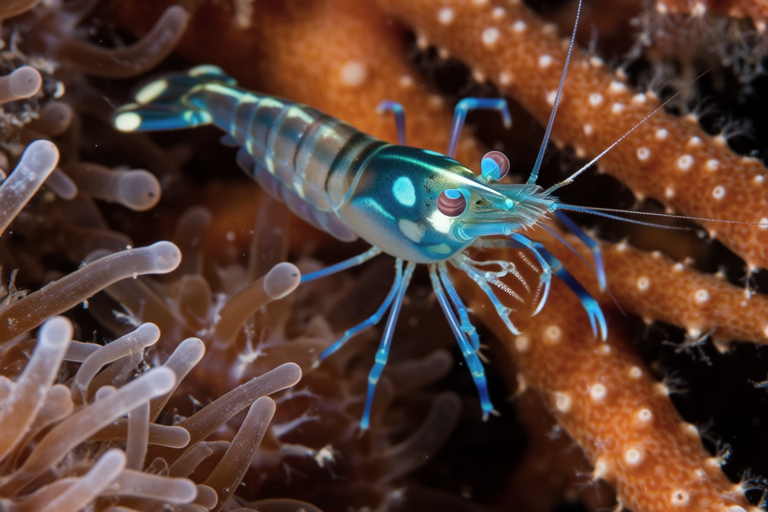
The Hidden Gem of Marine Pets: Discover the Charm of Coral Shrimp
In the vast and colorful world of marine pets, one species stands out as a hidden gem: the coral shrimp. These tiny, vibrant creatures offer a delightful addition to any aquarium, captivating aquarists with their striking appearance and peaceful demeanor. Whether you’re a seasoned hobbyist or a novice looking to explore the wonders of marine life, coral shrimp are sure to enchant you. This article will guide you through the unique appeal of these shrimp, their natural habitat, and the best ways to care for them in your home aquarium.
The Unique Appeal of Coral Shrimp
Coral shrimp, scientifically known as Stenopus hispidus, are small crustaceans that exhibit a stunning array of colors, ranging from bright reds and oranges to deep purples and blues. Their vibrant hues are not only visually appealing but also serve as a form of camouflage in their natural habitats. These colors help them blend into the coral reefs, where they find shelter and food. In an aquarium setting, their striking appearance makes them a focal point, adding a touch of natural beauty to your tank.
What truly sets coral shrimp apart is their peaceful nature. Unlike some other marine creatures, coral shrimp are not aggressive and can coexist harmoniously with a variety of tank mates. They are gentle scavengers, which means they won’t pose a threat to fish or other invertebrates in your aquarium. Their docile temperament makes them an excellent choice for both community tanks and those seeking a serene, low-maintenance addition to their underwater world.
Natural Habitat and Behavior
Understanding the natural habitat of coral shrimp is crucial for creating an ideal environment in your home aquarium. Native to the tropical waters of the Indo-Pacific region, these shrimp thrive in coral reefs, where they play an essential role in maintaining ecological balance. They are often found among branching corals like staghorn and elkhorn, where they hide during the day and venture out at night to feed.
In their natural environment, coral shrimp are primarily nocturnal, emerging from their hiding spots after dark to scavenge for food. They are omnivores, feeding on small particles of detritus, algae, and tiny organisms. This behavior translates well to the aquarium setting, where they can help keep the tank clean by consuming excess food and algae.
It’s important to replicate the conditions of their natural habitat as closely as possible to ensure the health and happiness of your coral shrimp. This includes providing ample hiding places, maintaining stable water parameters, and ensuring a varied diet. By doing so, you’ll create an environment where your shrimp can thrive and exhibit their natural behaviors.
Setting Up the Ideal Environment
Creating the perfect home for your coral shrimp involves careful consideration of various factors, including water parameters, tank mates, and suitable decorations. Let’s delve into each aspect to help you set up an ideal environment for your new marine companions.
Water Parameters
Consistent water quality is paramount for the well-being of coral shrimp. They require a stable environment with specific water parameters:
- Temperature: Maintain a temperature between 72°F and 82°F (22°C to 28°C).
- pH Level: Aim for a pH level between 8.1 and 8.4.
- Salinity: Keep the salinity between 1.020 and 1.025 specific gravity.
- Ammonia and Nitrite: Both should be undetectable, while nitrate levels should be kept below 20 ppm.
Regular water testing and partial water changes are essential to maintain these parameters. A well-established biological filter system will also contribute to a healthy aquatic environment.
Tank Mates
Coral shrimp are generally peaceful and can coexist with a variety of tank mates. However, it’s crucial to choose compatible species to prevent aggression or predation. Suitable tank mates include:
- Peaceful fish such as clownfish, tangs, and anthias.
- Other invertebrates like snails, hermit crabs, and certain types of sea stars.
- Corals that do not have aggressive sweeper tentacles.
Avoid housing coral shrimp with predatory fish or invertebrates that might view them as prey. Additionally, refrain from keeping them with aggressive species that could stress or harm the shrimp.
Suitable Decorations
To provide your coral shrimp with the hiding spots and cover they need, incorporate a variety of decorations into your tank. Branching corals, live rock, and artificial caves are excellent choices. These structures not only enhance the aesthetic appeal of your aquarium but also offer the shrimp a sense of security.
Ensure that the decorations are securely placed and free from sharp edges to prevent injury. Providing a diverse range of hiding spots will encourage the shrimp to explore and settle into their new environment more quickly.
The Benefits of Having Coral Shrimp
One of the most significant advantages of keeping coral shrimp is their role in maintaining a clean and healthy aquarium. As scavengers, they consume uneaten food particles, dead plant matter, and algae, helping to control the growth of unwanted vegetation. This natural cleaning process reduces the workload for the aquarist and contributes to a balanced ecosystem.
Moreover, coral shrimp are relatively easy to care for, requiring minimal intervention once their environment is properly established. Their presence can bring a sense of tranquility to your aquarium, making them a rewarding addition for both novice and experienced aquarists alike.
Care and Feeding Requirements
Proper care and feeding are essential for ensuring the longevity and well-being of your coral shrimp. Here are some key points to consider:
Feeding
Coral shrimp are omnivorous and will benefit from a varied diet. While they can scavenge for food in the tank, supplementing their diet with high-quality marine foods will promote optimal health. Offer them a mix of frozen and live foods, such as brine shrimp, mysis shrimp, and finely chopped seafood. Additionally, you can provide algae-based foods to encourage natural grazing behavior.
Feed your shrimp small amounts several times a week, rather than large quantities infrequently. This approach mimics their natural feeding habits and prevents overfeeding, which can lead to poor water quality.
Health Monitoring
Regularly monitor the health of your coral shrimp by observing their behavior and physical condition. Healthy shrimp will be active, brightly colored, and exhibit normal feeding patterns. Any signs of lethargy, discoloration, or unusual behavior may indicate underlying issues that require attention.
If you notice any health concerns, consult with a veterinarian specializing in marine animals for proper diagnosis and treatment. Early intervention can prevent minor issues from becoming serious problems.
Handling and Maintenance
Minimize handling your coral shrimp to avoid causing stress. When necessary, use soft, fine-nets to gently transfer them within the tank or during maintenance activities. Regular tank maintenance, including water changes and cleaning of decorations, will help maintain a healthy environment for your shrimp.
Be cautious when performing tasks such as rearranging decor or introducing new tank mates, as sudden changes can cause stress. Always acclimate new additions gradually to minimize shock to existing inhabitants.
Conclusion
Coral shrimp are truly a hidden gem in the realm of marine pets. With their vibrant colors, peaceful nature, and beneficial roles in aquarium maintenance, they make an excellent addition to any home aquarium. By understanding their natural habitat and providing an ideal environment, you can ensure that your coral shrimp thrive and bring joy to your underwater world. Whether you’re a novice aquarist or a seasoned enthusiast, coral shrimp offer a rewarding experience that will deepen your appreciation for the wonders of marine life.
