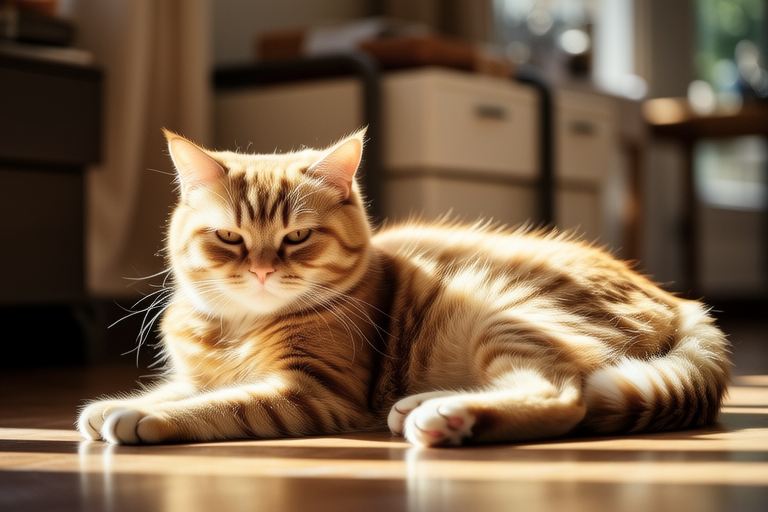
The Unique World of Orange Cats
Orange cats, often referred to as ginger or marmalade cats, have long been admired for their vibrant, sunbeam-like coats and striking appearance. These felines are more than just pretty faces; they possess unique genetic traits, behaviors, and cultural significance that set them apart from other cat breeds. This article explores the fascinating world of orange cats, delving into their genetic makeup, historical references, and cultural symbolism, while offering practical advice for potential owners.
Genetic Traits and Coat Color
The distinctive orange coat of these cats is primarily due to a genetic mutation known as the orange gene. This gene, located on the X chromosome, produces a protein called erythrophore, which gives rise to the reddish-orange pigmentation. The gene is dominant, meaning that even if one parent carries the gene, it can be passed down to offspring. However, due to its location on the X chromosome, male cats are more likely to exhibit the orange coat, as they only inherit one X chromosome.
The orange gene can also produce variations in coat color, ranging from light cream to deep copper tones. Some orange cats may display tiger-striped patterns, a result of the tabby gene, which is also linked to the X chromosome. This combination of genes results in the visually appealing, sunbeam-like coats that make orange cats so recognizable.
Cultural Significance and Historical References
Orange cats have captivated human imagination throughout history, appearing in various forms of literature, art, and mythology. In ancient Egypt, cats were revered as sacred animals, and orange cats were particularly favored due to their association with the sun god Ra. In Greek mythology, the goddess Artemis, protector of wild animals, was often depicted with a companion cat, believed to be orange. In literature, orange cats have been featured in classic works such as Charles Dickens’ “Bleak House,” where a ginger cat named Lady Jane plays a significant role in the story.
Across different cultures, orange cats are often associated with good luck, fortune, and protection. In Japan, the Maneki-neko, a popular talisman, is typically depicted as a white or orange cat with one paw raised, symbolizing wealth and prosperity. In Western folklore, orange cats are sometimes believed to possess magical powers, further adding to their mystique.
Personality Traits and Expert Opinions
Orange cats are often described as having distinct personalities, characterized by their playfulness, curiosity, and affectionate nature. Studies have shown that orange cats tend to be more social and interactive with humans compared to other cat breeds. They are known for their friendly demeanor and ability to form strong bonds with their owners.
According to Dr. Nicholas Dodman, a renowned animal behaviorist, orange cats are generally more outgoing and confident, making them excellent companions for families and individuals alike. Their playful nature makes them ideal for households with children or other pets. However, it’s important to note that individual personalities can vary, and not all orange cats will exhibit these traits.
Caring for an Orange Cat
Owning an orange cat comes with unique responsibilities, especially when it comes to their dietary needs, health considerations, and grooming requirements. Orange cats are prone to certain health issues, such as obesity and diabetes, so it’s essential to provide them with a balanced diet rich in nutrients. Consult with your veterinarian to determine the appropriate diet for your orange cat, taking into account their age, weight, and activity level.
Regular grooming is crucial for maintaining the health and appearance of an orange cat’s coat. Due to their short hair, orange cats require less frequent brushing compared to long-haired breeds. However, regular grooming helps remove loose hairs, prevent matting, and distribute natural oils throughout the coat. Use a soft-bristled brush to gently brush your orange cat once or twice a week, paying special attention to areas prone to shedding, such as the back and tail.
Health considerations for orange cats include routine veterinary check-ups, vaccinations, and parasite control. Orange cats are susceptible to certain genetic conditions, such as polycystic kidney disease, so it’s important to monitor their health closely and consult with your veterinarian if you notice any changes in behavior or physical condition.
Anecdotes and Stories
One memorable story involves an orange cat named Whiskers, who became an internet sensation after saving his owner’s life during a house fire. Whiskers repeatedly scratched at the bedroom door, alerting the family and allowing them to escape safely. Another heartwarming tale is about a stray orange cat named Charlie, who adopted a group of abandoned kittens and cared for them until they were old enough to be rehomed.
These stories highlight the unique bond between humans and orange cats, as well as their loyalty and protective instincts. Whether they’re saving lives or simply providing companionship, orange cats continue to capture hearts and inspire admiration.
In conclusion, orange cats are more than just beautiful creatures; they are beloved members of many households, celebrated in literature and art, and cherished for their unique personalities. By understanding their genetic traits, cultural significance, and care requirements, we can better appreciate the charm and uniqueness of these remarkable felines.
