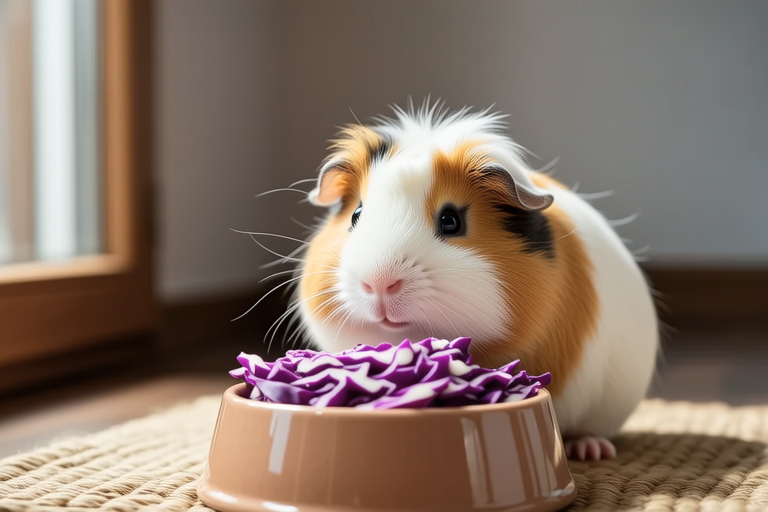
The Ultimate Guide to Keeping Your Guinea Pig Happy and Healthy at Home
Welcome to your ultimate guide to ensuring your guinea pig enjoys a happy and healthy life at home. This comprehensive resource will cover all the essential aspects of guinea pig care, from their diet and housing to exercise, grooming, health monitoring, and social interaction. Whether you’re a first-time owner or have years of experience with these delightful creatures, this guide will provide valuable insights to enhance your pet’s well-being.
Proper Diet for Your Guinea Pig
Guinea pigs are herbivores with specific dietary needs that must be met to maintain their health. A balanced diet consists of hay, fresh vegetables, fruits, and a high-quality guinea pig pellet. Timothy hay should make up the majority of their diet as it aids in digestion and dental health. Fresh water should always be available, preferably in a sipper bottle to prevent contamination.
In addition to hay, provide a variety of fresh vegetables daily, such as romaine lettuce, bell peppers, and spinach. Fruits can be offered occasionally but should not exceed 10% of their diet due to their sugar content. Vitamins C supplements are necessary as guinea pigs cannot synthesize this vitamin themselves. Ensure to introduce new foods gradually to avoid digestive upset.
Housing Requirements for Your Guinea Pig
Adequate housing is crucial for your guinea pig’s comfort and safety. Choose a cage large enough to allow ample space for movement and play, ideally at least 7.5 square feet for one guinea pig, and more if multiple are housed together. The cage should have solid flooring to prevent injuries from wire bottoms. Provide soft bedding like fleece or paper-based products, avoiding wood shavings which can cause respiratory issues.
Ensure the cage has good ventilation and is placed away from direct sunlight, drafts, and extreme temperatures. Include nesting boxes, tunnels, and toys to stimulate mental and physical activity. Regular cleaning of the cage is vital to maintain hygiene and prevent illness.
Exercise Needs for Your Guinea Pig
Guinea pigs require regular exercise to stay fit and active. Daily out-of-cage time is recommended, allowing them to explore and interact with their environment. Supervised playtime outside the cage helps prevent obesity and promotes overall health. Create an exercise area free of hazards, such as electrical cords and small objects that could be swallowed. Rotate toys and activities to keep your guinea pig engaged and mentally stimulated.
Encourage exercise by providing ramps, tunnels, and platforms within the cage. Consider building a multi-level habitat with safe climbing structures to encourage natural behaviors. Exercise also aids in maintaining a healthy weight and reduces the risk of health problems associated with a sedentary lifestyle.
Grooming Practices for Your Guinea Pig
Grooming is essential for your guinea pig’s appearance and health. Regular brushing helps remove loose hair and prevents matting, especially during shedding seasons. Use a soft-bristled brush designed for small animals. Bathing is generally unnecessary unless your guinea pig gets particularly dirty. If bathing is required, use a mild, pet-safe shampoo and ensure thorough rinsing to avoid skin irritation.
Trimming nails regularly is important to prevent overgrowth and discomfort. Use nail clippers specifically made for small pets and be cautious not to cut the quick, which contains blood vessels and nerves. Consult a veterinarian if unsure about nail trimming techniques. Teeth should be checked regularly; overgrown teeth can cause pain and difficulty eating. Provide chew toys to help wear down teeth naturally.
Health Monitoring for Your Guinea Pig
Regular health checks are crucial for early detection of potential issues. Monitor your guinea pig’s appetite, energy levels, and bathroom habits daily. Look for signs of illness such as lethargy, loss of appetite, runny nose, or diarrhea. Take your guinea pig to a veterinarian immediately if you notice any concerning symptoms.
Schedule routine veterinary visits for vaccinations and preventive care. Spaying or neutering may be recommended to prevent certain cancers and behavioral issues. Keep a close eye on your guinea pig’s weight to ensure they remain within a healthy range. Obesity can lead to serious health problems, so adjust feeding amounts accordingly.
Tips for Social Interaction with Your Guinea Pig
Social interaction plays a significant role in your guinea pig’s happiness. Spend quality time with your pet each day through gentle handling, talking, and playing. Guinea pigs are social animals and thrive when provided with companionship. If possible, consider keeping two or more guinea pigs together, as they enjoy the company of their own kind.
Introduce new guinea pigs gradually to prevent stress and aggression. Always supervise interactions between unfamiliar guinea pigs until they establish a bond. Positive reinforcement training can help build trust and strengthen the bond between you and your guinea pig. Use treats and praise to reward desired behaviors, making interactions enjoyable for both of you.
Conclusion
By following these guidelines, you can ensure your guinea pig leads a happy and healthy life at home. Proper nutrition, appropriate housing, sufficient exercise, regular grooming, vigilant health monitoring, and meaningful social interaction are key factors in providing excellent care. With dedication and love, you’ll create an enriching environment that allows your guinea pig to thrive and bring joy to your household.
