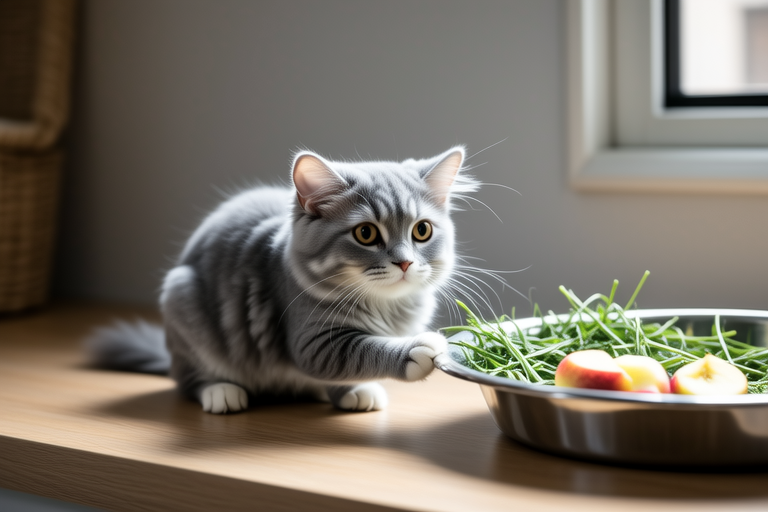
Chinchilla Care Guide: Everything You Need to Know for a Happy Pet
Welcome to your comprehensive guide on chinchilla care! Chinchillas are adorable, playful, and intelligent pets that require specific care to ensure their happiness and well-being. This guide covers all aspects of chinchilla ownership, from housing and diet to grooming, exercise, and health care. Whether you’re a new or experienced owner, this guide will provide valuable insights to help you create a nurturing environment for your chinchilla.
Housing
Creating a suitable living space is crucial for your chinchilla’s comfort and safety. Choose a cage that is large enough to allow movement and climbing. A minimum size of 48 inches by 24 inches by 24 inches (122 cm x 61 cm x 61 cm) is recommended for one chinchilla, with additional space required for each additional chinchilla. Ensure the cage has multiple levels and ramps for climbing, as chinchillas love to explore and play.
The cage should be placed in a quiet area away from direct sunlight and drafts. Avoid placing the cage near windows or doors where sudden noises could startle your chinchilla. Additionally, the temperature in the room should be kept between 60°F and 70°F (15°C and 21°C), as chinchillas are sensitive to heat and can overheat easily.
Line the bottom of the cage with dust-free bedding, such as shredded paper or aspen shavings. Avoid pine and cedar shavings, as they contain oils that can irritate your chinchilla’s respiratory system. Provide a nesting box filled with soft bedding for your chinchilla to hide in and sleep. Ensure the cage is equipped with chew toys, hay racks, and water bottles to keep your chinchilla entertained and healthy.
Diet
A balanced diet is essential for your chinchilla’s health. The primary component of their diet should be high-quality timothy hay, which provides necessary fiber for digestion and helps wear down their continuously growing teeth. Offer unlimited access to fresh timothy hay daily.
In addition to hay, provide a small amount of chinchilla pellets formulated specifically for their nutritional needs. Avoid feeding seeds, nuts, or treats that are high in fat or sugar, as these can lead to obesity and other health problems. Fresh water should always be available in a sipper bottle, as chinchillas need to stay hydrated but are prone to water wastage if given a dish.
Fruits and vegetables should be fed sparingly as treats due to their high sugar content. Safe options include small pieces of carrot, apple, or leafy greens. Introduce any new food gradually to avoid digestive upset.
Grooming
Chinchillas have thick fur that requires regular dust baths to maintain cleanliness and prevent skin issues. Provide a shallow container filled with commercial chinchilla dust approximately once or twice a week for 15-30 minutes. After the bath, remove the dust and ensure your chinchilla is dry before returning them to their cage.
Regular brushing is also important, especially during shedding seasons. Use a soft-bristled brush to gently brush your chinchilla’s fur, removing loose hair and preventing matting. Pay special attention to areas where mats may form, such as behind the ears and around the tail.
Trimming nails and cleaning ears are essential grooming tasks. Trim your chinchilla’s nails when they become too long, using nail clippers designed for small animals. Be careful not to cut the quick, which contains blood vessels and nerves. If you’re unsure, consult a veterinarian. Clean your chinchilla’s ears with a cotton ball and warm water, avoiding the ear canal.
Exercise
Chinchillas are active animals that require regular exercise to stay healthy. In addition to providing a multi-level cage with ramps and platforms, allow supervised time outside of the cage each day for play and exploration. A safe, chinchilla-proofed area is ideal for this purpose.
Provide toys and activities to stimulate your chinchilla’s mind and body. Chew toys, tunnels, and ladders can keep your chinchilla entertained and engaged. Rotate toys periodically to prevent boredom and encourage exploration.
Health Care
Schedule regular check-ups with a veterinarian who specializes in exotic pets. Early detection and treatment of potential health issues are vital for your chinchilla’s longevity. Watch for signs of illness, such as lethargy, loss of appetite, diarrhea, or changes in coat condition. Prompt veterinary care can often resolve minor issues before they become serious.
Maintain a clean living environment to minimize the risk of infections and parasites. Regularly clean the cage, replacing soiled bedding and disinfecting surfaces. Monitor your chinchilla’s weight and overall appearance, as sudden changes may indicate underlying health problems.
Creating a Stimulating Environment
Toys and activities are essential for keeping your chinchilla mentally and physically stimulated. Provide a variety of toys that promote chewing, climbing, and exploring. Rotate toys regularly to prevent boredom and encourage curiosity. Consider introducing puzzle feeders or treat-dispensing toys to challenge your chinchilla’s problem-solving skills.
Chinchillas are social animals that thrive on interaction. Spend quality time with your chinchilla each day, engaging in gentle play and offering treats. Speak softly and move slowly to avoid startling them. Consistent interaction builds trust and strengthens your bond.
Handling and Training
Handle your chinchilla gently and frequently to build trust. Start by sitting on the floor or a low surface, allowing your chinchilla to approach you at their own pace. Once comfortable, offer treats and gentle strokes to reinforce positive associations. Gradually introduce more physical contact, such as holding and petting, ensuring your chinchilla remains calm and relaxed.
Training your chinchilla can be rewarding and enjoyable. Use positive reinforcement techniques, offering treats and praise for desired behaviors. Teach simple commands, such as coming when called or sitting on your shoulder. Patience and consistency are key to successful training.
Common Behavior Issues
Chinchillas may exhibit certain behaviors that can be concerning or frustrating for owners. Understanding the reasons behind these behaviors can help you address them effectively.
- Aggression: Chinchillas may bite or scratch when frightened or feeling threatened. Avoid sudden movements or loud noises around your chinchilla, and handle them gently to prevent fear-based aggression.
- Excessive Chewing: Chinchillas have a natural urge to chew, which can lead to destructive behaviors if not provided with appropriate outlets. Offer plenty of chew toys and ensure their cage is free from dangerous items.
- Overgrooming: Stress or boredom can cause chinchillas to overgroom themselves, leading to bald patches or skin irritation. Provide mental stimulation through toys and activities to reduce stress.
- Nighttime Activity: Chinchillas are nocturnal animals, meaning they are most active during the night. While this behavior is normal, it can disrupt your sleep. Establish a consistent routine and provide nighttime activities to tire your chinchilla out before bedtime.
Understanding and addressing these behaviors early can help create a harmonious relationship between you and your chinchilla.
Conclusion
Owning a chinchilla is a rewarding experience that comes with responsibilities. By providing proper housing, nutrition, grooming, exercise, and health care, you can ensure your chinchilla lives a happy and healthy life. Creating a stimulating environment and fostering a strong bond through handling and training will enhance your chinchilla’s well-being and bring joy to both you and your pet. Remember to seek professional advice when needed and stay informed about the latest care practices to give your chinchilla the best possible life.
