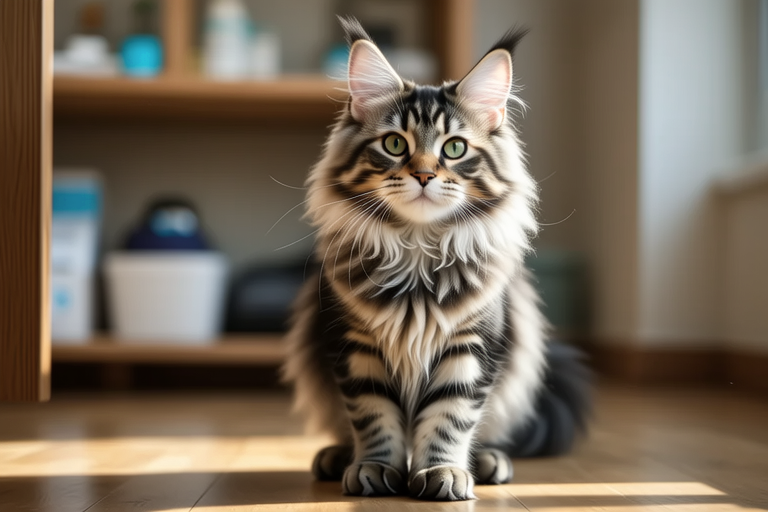
Maine Coon Cats: A Comprehensive Guide for First-Time Pet Owners
Welcome to the world of Maine Coon cats! These majestic felines have captured the hearts of cat lovers around the globe with their striking appearance and friendly demeanor. Known as the “gentle giants” of the cat world, Maine Coons are one of the most popular cat breeds today. With their long, luxurious coats and distinctive tufted ears, they are truly a sight to behold. This comprehensive guide will provide you with all the information you need to bring a Maine Coon into your home and ensure that both you and your new pet enjoy a happy, healthy life together.
History of the Maine Coon Cat
The origins of the Maine Coon are somewhat shrouded in mystery. One popular legend suggests that these cats descended from domesticated cats owned by Marie Antoinette, who supposedly sent her pets to America via ship before her execution. While this story is charming, it is likely apocryphal. The more plausible theory is that the breed developed naturally in New England, where they were valued for their hunting prowess and ability to adapt to harsh climates.
Maine Coons were first recognized as a distinct breed in the late 19th century and became very popular in cat shows during the early 20th century. However, after World War II, their numbers dwindled, and other breeds like the Persian and Siamese gained prominence. Fortunately, dedicated breeders worked tirelessly to preserve and promote the Maine Coon, leading to its resurgence in popularity today.
Physical Traits of the Maine Coon
One of the most striking features of the Maine Coon is its size. These cats are large and robust, often weighing between 9 to 18 pounds for males and 7 to 12 pounds for females. Their bodies are muscular and well-proportioned, giving them an athletic yet regal appearance. Their heads are typically triangular, complemented by large, expressive eyes and tufted ears that add to their distinctive look.
Their coats are another defining characteristic. Maine Coons have a double-layered coat that is water-resistant and thick, which helps protect them from cold weather. The fur is medium to long in length, with a silky texture. Common colors include brown tabby, black, and white, but there is also a wide variety of other color combinations available.
Temperament and Personality
Maine Coons are known for their friendly and sociable nature. They are generally very affectionate towards their owners and enjoy being part of the family. Unlike some other breeds, they tend to be quite interactive and can even play fetch. Their intelligence makes them curious and playful, and they are often described as having dog-like personalities. Maine Coons are also patient and gentle, making them great companions for children and other pets.
Despite their large size, Maine Coons are relatively quiet compared to other breeds. They don’t meow excessively or make loud noises, which can be a plus for those living in apartments or with sensitive hearing. However, they do communicate through body language and purring, and they can be quite vocal when they want attention.
Care Requirements for Maine Coon Cats
Grooming Needs
Due to their thick, long coats, Maine Coons require regular grooming to keep their fur healthy and free from mats. Brushing your cat at least once a week is recommended, though more frequent brushing may be necessary during shedding seasons. Using a slicker brush and a comb can help remove loose hair and prevent tangles.
In addition to brushing, it’s important to check your cat’s ears regularly for any signs of wax buildup or infection. Cleaning their ears gently with a cotton ball and ear cleaner can help prevent issues. Clipping their nails every few weeks is also essential, especially if they don’t wear them down naturally.
Dietary Considerations
Maine Coons are known to be hearty eaters, so it’s important to monitor their food intake to avoid obesity. Providing a balanced diet rich in protein, vitamins, and minerals is crucial for maintaining their health. Consult with your veterinarian to determine the best type and amount of food for your cat based on their age, weight, and activity level.
Avoid feeding your Maine Coon table scraps or human foods that could be harmful to cats, such as chocolate, onions, garlic, and grapes. Fresh water should always be available to keep your cat hydrated.
Health Issues Common to the Breed
Like all breeds, Maine Coons are prone to certain health issues. One of the most serious conditions is hypertrophic cardiomyopathy (HCM), a form of heart disease that can lead to sudden death. Regular veterinary check-ups and genetic testing can help detect HCM early.
Another common issue is hip dysplasia, which affects the hip joints and can cause pain and mobility problems. Obesity can exacerbate this condition, so maintaining a healthy weight is important. Polycystic kidney disease (PKD) is also prevalent among Maine Coons and can lead to kidney failure over time. Early diagnosis and management can improve quality of life.
Socializing and Training Your Maine Coon
Introducing your Maine Coon to different environments, people, and other animals from an early age can help ensure they grow up to be well-adjusted and confident. Positive reinforcement techniques, such as treats and praise, work well for training and encouraging good behavior. Teaching basic commands like “sit,” “stay,” and “come” can strengthen the bond between you and your cat.
Interactive toys and puzzles can stimulate your cat’s mind and keep them entertained. Providing scratching posts, climbing trees, and perches will also give them opportunities to exercise and explore. Regular play sessions are a great way to build trust and strengthen your relationship with your cat.
Creating a Safe and Enriching Environment
To ensure your Maine Coon lives happily and healthily, it’s important to create a safe and stimulating environment. Keep toxic plants and chemicals out of reach, secure windows and balconies, and provide plenty of hiding spots and vertical spaces for climbing and resting. Install cat flaps if you allow your cat outside, but be aware of potential dangers such as traffic and predators.
Invest in high-quality litter boxes and litter, and place them in quiet areas away from food and sleeping spaces. Regular cleaning and maintenance of litter boxes are essential for your cat’s comfort and hygiene. Providing access to natural sunlight and fresh air can also contribute to your cat’s overall well-being.
By following these guidelines and dedicating yourself to the care and companionship of your Maine Coon, you can look forward to many years of joy and companionship. Remember that each cat is unique, and what works for one may not work for another. Stay patient, observant, and loving, and your Maine Coon will thrive in your home.
