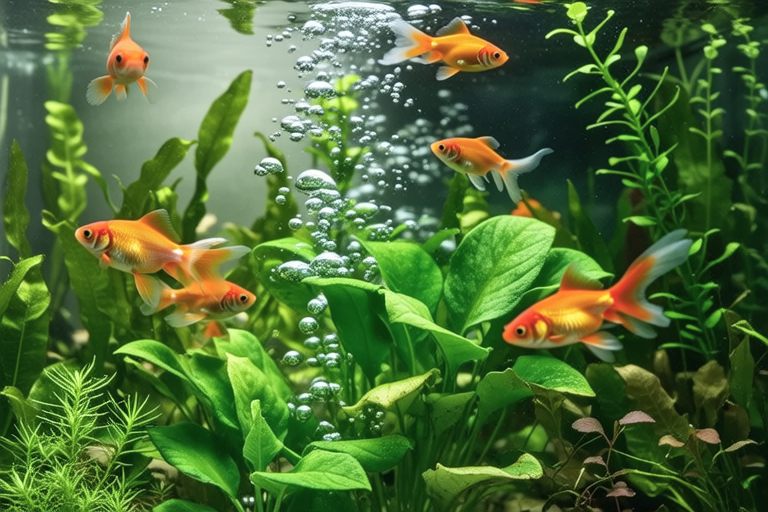
Top 10 Plants That Will Make Your Goldfish Tank Thrive
Welcome to the fascinating world of goldfish tanks! One of the best ways to enhance your goldfish’s habitat is by adding live plants. Not only do they add aesthetic appeal, but they also offer numerous benefits for your aquatic pets and the overall environment of the tank. Plants provide shelter, improve water quality, and stimulate natural behaviors in fish. In this article, we will explore the top ten plants that will make your goldfish tank thrive.
1. Java Fern (Microsorum pteropus)
The Java Fern is a versatile and hardy plant that is perfect for beginners. It has distinctive, leathery leaves that can grow up to 6 inches long. Java Fern requires minimal light and does not need substrate to root, making it an ideal choice for most tanks. It provides excellent hiding spots for goldfish and helps maintain water quality by absorbing nutrients.
Special Considerations: Avoid placing Java Fern in areas with strong water currents as this may damage the delicate leaves.
2. Anubias Nana (Anubias barteri var. nana)
Anubias Nana is another robust plant that thrives in low-light conditions. Its broad, dark green leaves can reach lengths of around 3 inches. This slow-growing plant is suitable for both small and large tanks. Anubias Nana enhances water clarity and oxygenates the tank, contributing to better respiratory health for your goldfish.
Special Considerations: While it is relatively easy to care for, Anubias Nana can be prone to algae growth if exposed to too much light.
3. Dwarf Hairgrass (Eleocharis parvula)
Dwarf Hairgrass is a carpet-forming plant that adds a lush, green layer to the bottom of your tank. Its fine, grass-like leaves can grow up to 4 inches tall. This plant is particularly beneficial for goldfish as it helps reduce ammonia levels in the water. Dwarf Hairgrass requires moderate lighting and regular trimming to maintain its shape.
Special Considerations: Dwarf Hairgrass can be sensitive to changes in water parameters, so monitor the tank closely during the initial setup period.
4. Amazon Sword (Echinodorus grisebachii var. glaziovianus)
The Amazon Sword is a popular choice among aquarists due to its attractive, sword-shaped leaves that can grow up to 12 inches long. It thrives in well-lit environments and needs nutrient-rich substrate to flourish. This plant offers ample swimming space for goldfish while also improving water quality through the absorption of harmful substances.
Special Considerations: The Amazon Sword can become invasive if not properly maintained, so trim regularly to prevent overcrowding.
5. Cryptocoryne Wendtii
Cryptocoryne Wendtii is a compact plant with elongated, lanceolate leaves that can reach lengths of 6 inches. It prefers moderate lighting and can tolerate a wide range of water conditions. This plant promotes healthy digestion in goldfish by providing a source of fiber and contributes to the biological filtration process.
Special Considerations: Cryptocoryne Wendtii may experience leaf melt when introduced to new environments; however, this is usually temporary.
6. Water Wisteria (Hygrophila difformis)
Water Wisteria features delicate, oval leaves that can grow up to 8 inches long. It requires high lighting and CO2 injection for optimal growth. This fast-growing plant creates dense foliage, offering plenty of hiding spaces for goldfish. Water Wisteria also helps control nitrate levels, which is crucial for maintaining a healthy tank environment.
Special Considerations: Regular pruning is necessary to keep Water Wisteria from taking over the tank.
7. Hornwort (Ceratophyllum demersum)
Hornwort is an undemanding plant with feathery branches that can reach impressive lengths. It floats freely in the water column and does not require substrate. Hornwort is highly effective at filtering out pollutants and excess nutrients, thus benefiting the overall health of your goldfish. It also serves as a spawning site for some species.
Special Considerations: Hornwort can become tangled easily, so ensure you have sufficient space in your tank to accommodate its growth.
8. Pygmy Chain Sword (Echinodorus tenellus)
The Pygmy Chain Sword boasts narrow, chain-like leaves that grow up to 3 inches in length. It prefers medium lighting and nutrient-rich substrate. This plant improves water circulation and provides essential hiding spots for smaller goldfish. Pygmy Chain Sword also supports the natural behavior of grazing, which can help prevent goldfish from becoming overweight.
Special Considerations: Like other Echinodorus species, Pygmy Chain Sword may benefit from periodic division to encourage new growth.
9. Ludwigia Repens
Ludwigia Repens is a semi-submerged plant with vibrant red stems and bright green leaves. It grows well in moderately lit conditions and requires nutrient-rich substrate. This plant adds color and visual interest to your tank while enhancing water quality by absorbing toxins. Ludwigia Repens also encourages natural feeding behaviors in goldfish.
Special Considerations: Ludwigia Repens can be sensitive to sudden changes in water temperature or pH, so acclimate slowly.
10. Rotala Rotundifolia
Rotala Rotundifolia is known for its stunning, round leaves that come in shades of red and green depending on lighting conditions. It needs high lighting and CO2 supplementation for optimal growth. This plant provides ample cover for goldfish and improves water clarity by reducing turbidity. Rotala Rotundifolia also plays a role in stabilizing the nitrogen cycle within the tank.
Special Considerations: Prune Rotala Rotundifolia regularly to maintain its compact form and prevent it from overshadowing other plants.
Tips for Maintaining a Healthy Planted Tank for Goldfish
Maintaining a thriving planted tank involves more than just selecting the right plants. Here are some practical tips to ensure your goldfish and plants coexist harmoniously:
- Regular Water Changes: Perform weekly water changes of approximately 20% to keep the tank clean and stable.
- Fertilization: Use liquid fertilizers sparingly to promote healthy plant growth without causing algae blooms.
- Proper Lighting: Provide adequate lighting according to each plant’s requirements to support photosynthesis.
- Monitoring Water Parameters: Regularly check pH, ammonia, nitrite, and nitrate levels to ensure they remain within safe ranges.
- Trimming and Pruning: Remove dead or decaying plant matter promptly to prevent deterioration of water quality.
- Goldfish Feeding: Feed your goldfish appropriately and avoid overfeeding, which can lead to excessive waste production.
By following these guidelines and choosing the right combination of plants, you can create a beautiful, functional ecosystem that supports the health and happiness of your goldfish.
