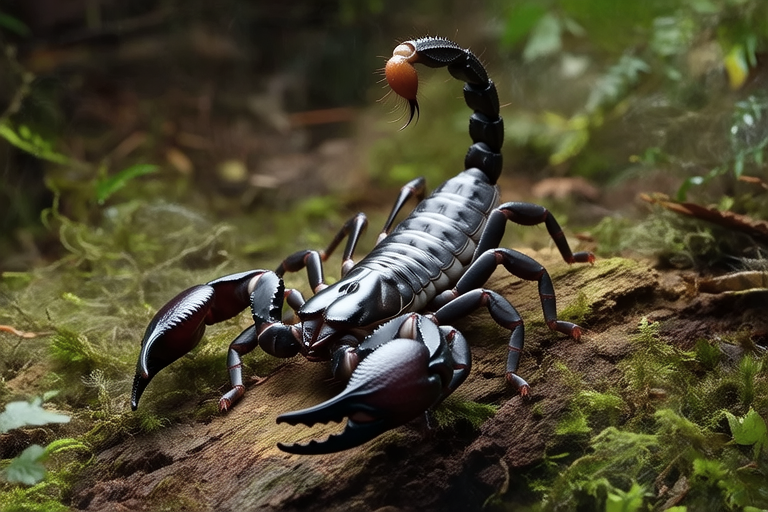
The Intriguing Life of Heterometrus Spinifer: A Jungle Scorpion
Heterometrus spinifer, commonly known as the jungle scorpion, is a fascinating creature that calls the lush jungles of Southeast Asia home. This article delves into the origins of this species, its unique physical characteristics, behaviors, and its growing popularity in digital media. We will also explore its ecological significance, the myths surrounding scorpions, conservation efforts, and the scientific importance of studying this species.
Origins in the Jungle
The Heterometrus spinifer originates from the dense rainforests of countries like Thailand, Malaysia, and Indonesia. These regions provide an ideal habitat for the scorpion, characterized by high humidity, warm temperatures, and abundant prey. The scorpion thrives in environments where it can hide under rocks, logs, or in crevices, protecting itself from predators and harsh weather conditions.
Dr. Emily Carter, a renowned entomologist, shares her insights on the scorpion’s habitat: “The jungle provides the perfect balance of moisture and darkness that these creatures need. Their burrowing behavior helps them adapt to their environment, making them well-suited to survive in these challenging conditions.”
Unique Physical Characteristics
The Heterometrus spinifer possesses distinct physical traits that set it apart from other scorpions. It measures up to 9 centimeters in length and features a robust body covered in fine hairs. Its claws, or pedipalps, are large and powerful, used for capturing prey and defending against threats. The tail, or metasoma, is long and curved, ending in a venomous stinger.
One of the most striking features of this scorpion is its ability to glow under ultraviolet light. This bioluminescence serves as a defense mechanism, startling potential predators and allowing the scorpion to navigate its surroundings more effectively at night. Dr. Carter explains, “This adaptation is crucial for nocturnal animals like the Heterometrus spinifer. The glow helps them avoid danger while they hunt for food.”
Behaviors and Social Structure
Despite being solitary hunters, Heterometrus spinifer exhibit complex behaviors that contribute to their survival. They are primarily active during the night, hunting small insects and spiders. The scorpion uses its sensitive sensory organs to detect vibrations and chemical signals, allowing it to locate prey efficiently.
During mating season, male and female scorpions engage in elaborate courtship dances, ensuring genetic diversity within the population. After successful mating, the female carries the developing offspring on her back until they are ready to fend for themselves. This behavior highlights the importance of parental care in scorpion reproduction.
Digital Media Fascination
In recent years, the Heterometrus spinifer has gained significant attention in digital media, captivating audiences worldwide. Videos showcasing the scorpion’s glowing abilities, hunting techniques, and interactions with humans have gone viral on social platforms. This increased exposure has sparked curiosity about these creatures, prompting many people to learn more about their biology and conservation status.
Content creators like Sarah Johnson, who specializes in wildlife videos, have played a pivotal role in raising awareness about the Heterometrus spinifer. She remarks, “People are fascinated by the unique adaptations of these scorpions. By sharing their stories, we hope to inspire others to appreciate and protect these incredible creatures.”
Ecosystem Role
The Heterometrus spinifer plays a vital role in maintaining the balance of its ecosystem. As top predators, they help control insect populations, preventing overpopulation and ensuring biodiversity. Additionally, their burrowing habits aerate the soil, promoting healthy plant growth.
Conservationists emphasize the importance of preserving habitats where these scorpions reside. Protecting the jungle not only benefits the scorpions but also countless other species that depend on this ecosystem for survival.
Myths Surrounding Scorpions
Throughout history, scorpions have been surrounded by myths and misconceptions. Many cultures associate them with danger and evil, often exaggerating their threat to humans. However, the truth is that most scorpions, including the Heterometrus spinifer, pose little risk to people. Their venom is typically used to subdue prey rather than harm larger animals.
Dr. Carter addresses common misconceptions: “While it’s true that some scorpions can be dangerous, the majority are harmless to humans. Understanding their biology helps dispel fears and promotes coexistence between humans and these fascinating creatures.”
Conservation Efforts
As human activities continue to encroach upon natural habitats, the survival of the Heterometrus spinifer is threatened. Conservation organizations are working tirelessly to protect these scorpions and their environments. Initiatives include habitat restoration, public education campaigns, and research aimed at understanding the species’ needs better.
One such project involves creating artificial shelters for the scorpions, providing them with safe spaces to live and reproduce. These efforts are essential for ensuring the long-term survival of the Heterometrus spinifer and other species that share its habitat.
Scientific Importance
Studying the Heterometrus spinifer offers valuable insights into evolutionary biology, ecology, and toxicology. Researchers investigate the composition of their venom, which contains compounds with potential medical applications. For instance, certain peptides found in scorpion venom show promise as painkillers and cancer treatments.
Furthermore, understanding the behavior and physiology of these scorpions contributes to broader scientific knowledge about arachnids and their role in ecosystems. Each discovery brings us closer to unraveling the mysteries of life on Earth and finding ways to protect it.
Conclusion
The Heterometrus spinifer is a remarkable species that continues to captivate scientists, conservationists, and the general public alike. From its origins in the jungle to its unique physical characteristics and behaviors, this scorpion exemplifies the wonders of nature. By learning more about its role in ecosystems and addressing myths surrounding scorpions, we can foster greater appreciation for these creatures and work towards their conservation.
Through collaborative efforts, we can ensure that future generations will have the opportunity to witness the beauty and complexity of the Heterometrus spinifer and other scorpions. Let us embrace our responsibility to protect these incredible beings and the environments they call home.
