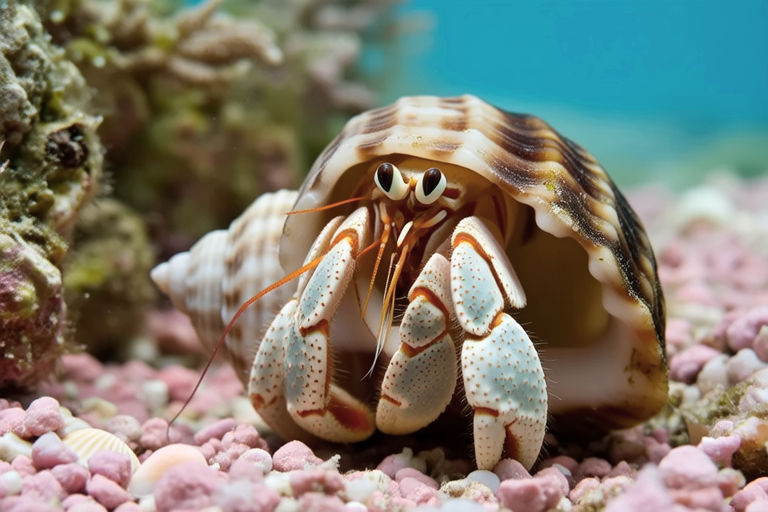
Hermit Crabs: The Shell-Changing Masters of the Aquarium World
Hermit crabs have long captured the fascination of aquarium enthusiasts with their unique behavior, particularly their penchant for changing shells. These crustaceans, which lack a hard exoskeleton of their own, rely on discarded mollusk shells to protect their soft bodies. This article delves into the intricate world of hermit crabs, exploring their shell selection habits, their importance in aquarium settings, and tips for maintaining a healthy environment for these fascinating creatures.
The Unique Behavior of Hermit Crabs and Their Shell Selection
Hermit crabs are renowned for their remarkable ability to find and occupy discarded shells left behind by other sea creatures. This behavior is crucial for their survival, as the shells provide protection from predators and harsh environmental conditions. As they grow, hermit crabs outgrow their current shells and must seek larger ones to accommodate their expanding size. The process of finding a new home can be quite competitive among hermit crabs, often leading to intense interactions and sometimes even fights.
The selection of a new shell is not arbitrary; hermit crabs are highly selective. They carefully examine potential homes, considering factors such as the size, shape, and weight of the shell. A well-fitted shell not only provides adequate protection but also ensures that the hermit crab can move freely without being hindered by its cumbersome armor. In some cases, hermit crabs may even modify the interior of their chosen shell to suit their preferences, further emphasizing the importance of this vital resource.
The Importance of Providing Various Shells in an Aquarium Setting
In an aquarium setting, it is essential to provide hermit crabs with a variety of shells to mimic their natural habitat and ensure their well-being. By offering a range of sizes and shapes, you allow the hermit crabs to choose shells that best fit their individual needs. This practice promotes healthy growth and reduces stress, as the crabs are less likely to engage in aggressive behavior over limited resources.
Additionally, providing a diverse selection of shells can help maintain the balance of your aquarium ecosystem. When hermit crabs change shells, they contribute to the recycling of materials within the tank, playing a crucial role in nutrient cycling and overall ecological health. By fostering a thriving community of hermit crabs, aquarium owners can enhance the beauty and vitality of their underwater worlds.
Tips for Maintaining a Healthy Environment for Hermit Crabs
Maintaining a healthy environment for hermit crabs involves several key considerations. First and foremost, ensure that the water parameters are suitable for these sensitive creatures. Hermit crabs thrive in slightly alkaline water with a pH between 7.5 and 8.5. Regular testing and adjustment of these levels are necessary to prevent adverse effects on their health.
Adequate filtration is another critical aspect of hermit crab care. A high-quality filter system helps maintain clean water and prevents the accumulation of harmful toxins. Additionally, incorporating live rock and macroalgae into the aquarium can provide natural filtration and create a more stimulating environment for the hermit crabs.
Proper feeding is also essential for the well-being of hermit crabs. These omnivorous creatures require a balanced diet consisting of both plant-based and protein-rich foods. Offer a variety of options, including algae wafers, fresh vegetables, and occasional meaty treats like brine shrimp or bloodworms. Feeding should be done in moderation to avoid overfeeding, which can lead to poor water quality.
Dietary Needs and Social Behaviors of Hermit Crabs
Hermit crabs are opportunistic feeders, consuming a wide range of organic matter found in their environment. In addition to commercial food options, they can benefit from natural foraging opportunities within the aquarium. Encourage this behavior by providing ample hiding spots and ensuring a diverse array of substrate materials.
Social interactions play a significant role in the lives of hermit crabs. While they are generally solitary animals, they can coexist peacefully in groups if given sufficient space and resources. However, overcrowding can lead to increased aggression and competition for shells. To promote harmonious living, it is advisable to maintain a ratio of one hermit crab per 2-3 gallons of water.
Interesting Facts About Hermit Crab Species and Their Role in Marine Ecosystems
There are numerous species of hermit crabs, each with its own distinct characteristics and adaptations. One of the most well-known species is the Coenobita clypeatus, commonly known as the Caribbean hermit crab. These terrestrial hermit crabs have evolved to live on land, returning to the ocean only to reproduce. Another notable species is the Clibanarius erythropus, a popular choice for aquarium enthusiasts due to its vibrant red coloration.
Hermit crabs play a vital role in marine ecosystems by contributing to nutrient cycling and aiding in the decomposition of organic matter. Their scavenging behavior helps maintain the cleanliness of their habitats, benefiting other organisms that share the same environment. Furthermore, hermit crabs serve as prey for various marine predators, making them an integral part of the food chain.
In conclusion, hermit crabs are truly remarkable creatures with fascinating behaviors and important roles in both natural and artificial aquatic environments. By understanding their unique needs and providing appropriate care, aquarium owners can enjoy the beauty and wonder of these shell-changing masters while supporting their well-being and ecological contributions.
