Bearded Dragon Care Made Easy: A Complete Guide for Beginners
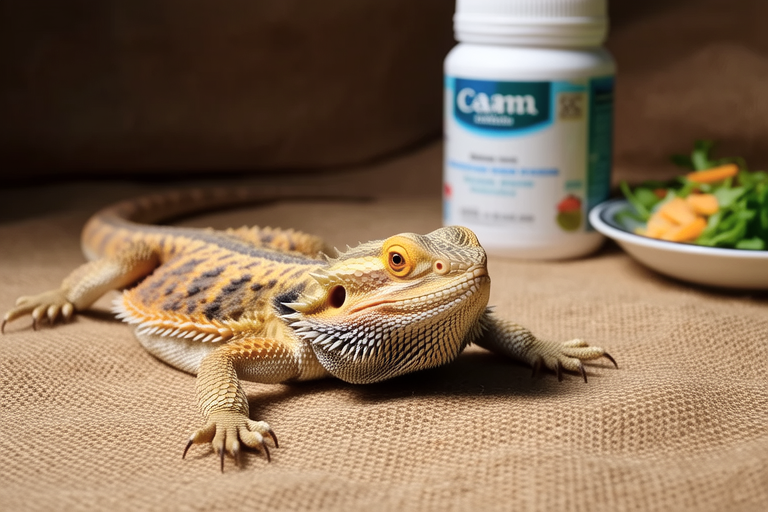
Welcome to the fascinating world of bearded dragons! These reptiles have become increasingly popular among pet enthusiasts over the years. Known for their unique appearance and relatively docile nature, bearded dragons make excellent companions for both novice and experienced reptile owners. This guide aims to provide you with all the essential information you need to ensure your bearded dragon thrives in its new home.
Introduction to Bearded Dragons
Bearded dragons are native to the arid regions of Australia, where they inhabit deserts, dry forests, and scrublands. They belong to the genus Pogona and are named for the spiky ‘beard’ located under their chin, which can puff out when they feel threatened or during mating displays. Their popularity as pets stems from their manageable size, gentle temperament, and interesting behaviors. With proper care, bearded dragons can live up to 10 years in captivity.
Setting Up the Right Habitat
Tank Size
A suitable enclosure for a bearded dragon should mimic its natural environment as closely as possible. For a juvenile bearded dragon, a 20-gallon tank will suffice; however, adult dragons require larger spaces. An ideal setup for an adult is a 40-gallon breeder tank, which provides ample room for climbing and basking. The tank should have secure ventilation to prevent heat buildup and ensure adequate air circulation.
Lighting Requirements
Proper lighting is crucial for the health and well-being of your bearded dragon. UVB lighting is essential for calcium absorption and overall bone health. Choose a UVB bulb designed for reptiles, ensuring it covers at least 75% of the tank’s floor area. Position the light so that it reaches a basking spot approximately 12 inches away from the dragon. Replace the bulb every six months to maintain optimal effectiveness.
Temperature Gradients
Bearded dragons are ectothermic, meaning they rely on external sources to regulate their body temperature. Establish a temperature gradient within the tank by maintaining a hot side (basking area) around 95-105°F and a cool side between 75-85°F. Use thermometers to monitor these temperatures accurately. A digital thermostat or rheostat can help maintain consistent heating.
Substrate Options
Selecting the right substrate is important to avoid ingestion-related issues. Avoid using sand or wood shavings, as they can cause impaction if ingested. Opt for safer alternatives such as reptile carpet, paper towels, or tile. These substrates are easy to clean and pose minimal risk to your dragon’s health.
Accessories
Provide ample climbing opportunities with branches, rocks, and hides. Ensure that any decorations are securely fastened to prevent tipping or falling. A water dish should be provided for drinking and occasional soaking, but be sure to clean it daily to prevent bacterial growth.
Diet and Nutrition
What Bearded Dragons Eat
Bearded dragons are omnivorous, meaning they consume both plant matter and insects. Insects should make up about 20-30% of their diet, while vegetables and fruits should account for the remaining 70-80%. Suitable insects include dubia roaches, crickets, and mealworms. Offer a variety of vegetables like leafy greens (kale, collard greens), squash, carrots, and bell peppers. Fruits can be offered sparingly as treats.
How Often to Feed
Feed juveniles daily, reducing the frequency to every other day as they reach adulthood. Monitor your dragon’s weight to adjust feeding amounts accordingly. Overfeeding can lead to obesity, while underfeeding may result in malnutrition.
Nutritional Supplements
Supplement their diet with calcium and multivitamin powders to ensure they receive essential nutrients. Dust insects with calcium powder daily and use a multivitamin supplement once or twice weekly. Always consult with a veterinarian for specific dietary recommendations based on your dragon’s age and health.
Handling and Socializing Tips
Handle your bearded dragon gently and frequently to promote bonding and confidence. Allow them time to acclimate to their new environment before handling. When picking up your dragon, support its entire body, especially the belly. Avoid sudden movements and give them space if they show signs of stress.
Health Concerns and Regular Check-Ups
Common health issues include metabolic bone disease, respiratory infections, and parasites. Signs of illness include lethargy, loss of appetite, discharge from the nose or eyes, and abnormal stool. Regular veterinary check-ups are recommended to catch potential problems early. Maintain clean living conditions and quarantine any new additions to prevent cross-contamination.
Sourcing a Healthy Bearded Dragon
Choose a reputable breeder or shelter when acquiring your bearded dragon. Look for clear eyes, active behavior, and healthy skin. Avoid purchasing from sources with poor reputations or questionable practices. Remember, owning a bearded dragon requires a significant commitment in terms of time, effort, and financial resources. Ensure you’re prepared for this responsibility before bringing one home.
By following this comprehensive guide, you’ll be well-equipped to provide your bearded dragon with the best possible care. Enjoy watching your scaly friend grow and thrive in its new home!
