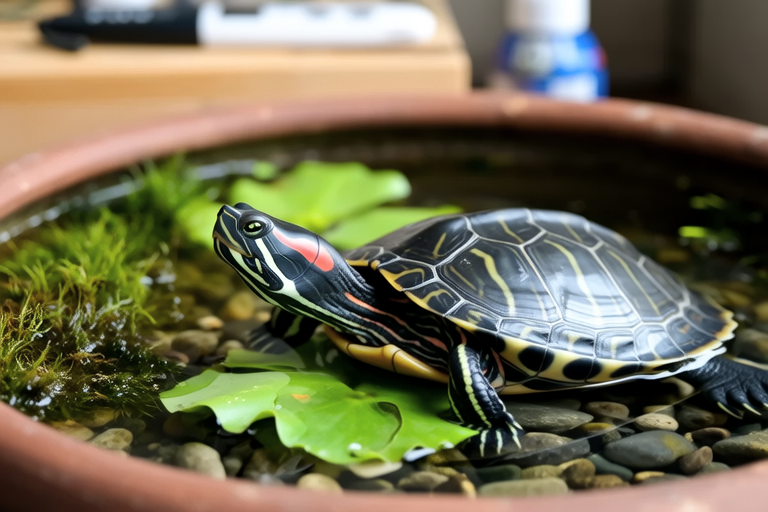
Red-Eared Slider Care: Tips from Experts to Keep Your Pet Thriving
Introduction:
Welcome to the fascinating world of red-eared sliders! These charismatic reptiles, native to the United States, have become popular pets worldwide. However, owning a red-eared slider comes with significant responsibilities. Proper care requires knowledge about their habitat, diet, and health. This article provides expert tips to ensure your turtle thrives.
Habitat Setup
A well-designed habitat is crucial for your red-eared slider’s health and happiness. The enclosure must be large enough to accommodate the turtle as it grows. A minimum tank size of 40 gallons is recommended for hatchlings, increasing to at least 120 gallons for adults. Use a combination of water and land areas; most of the tank should be filled with clean, chlorine-free water.
For the water area, include a filter to maintain water quality and prevent harmful bacteria buildup. Place a basking area with a flat rock or platform above the water level, ensuring easy access. Equip this area with a UVB light to facilitate calcium absorption and promote healthy shell growth.
Substrate choices are important. Avoid gravel, which can pose choking hazards. Instead, opt for large, smooth pebbles or use a shallow layer of aquarium-safe sand for aesthetic purposes only. Ensure that the substrate does not contaminate the water.
Temperature and Lighting Requirements
Red-eared sliders require specific environmental conditions to thrive. Maintain water temperatures between 75°F and 80°F (24°C – 27°C) using submersible heaters. Monitor these temperatures closely with thermometers placed both in and out of the water.
Basking areas should reach approximately 90°F (32°C). Position the UVB light directly over the basking spot but ensure it doesn’t overheat. Replace UVB bulbs every six months to maintain effectiveness. Supplemental heat lamps may be necessary during colder seasons to maintain optimal temperatures.
Daylight hours should mimic natural daylight cycles, providing 10-12 hours of light per day. This helps regulate their circadian rhythms and encourages natural behaviors like basking and swimming.
Diet Recommendations
A balanced diet is key to your turtle’s overall health. Offer a variety of foods to ensure they receive all necessary nutrients. Commercial turtle pellets form the foundation of their diet, supplemented with fresh vegetables such as collard greens, romaine lettuce, and bell peppers. Occasional treats like earthworms or mealworms can also be provided.
Vary the diet weekly to prevent nutritional deficiencies. Feed young turtles daily, reducing frequency to every other day for adults. Always remove uneaten food promptly to prevent water contamination.
Calcium supplementation is essential for shell development and maintenance. Dust food items with calcium powder regularly, especially for growing turtles. Consult with a veterinarian experienced in reptile care for precise dietary guidance tailored to your turtle’s age and size.
Common Health Issues
Despite proper care, red-eared sliders can encounter various health problems. Metabolic bone disease (MBD) results from inadequate calcium intake or insufficient UVB exposure, leading to soft shells and weakened bones. Shell rot, characterized by discolored or decaying shell sections, often stems from poor water quality or injury.
Respiratory infections manifest through symptoms like lethargy, difficulty breathing, and swollen eyes. These usually occur due to cold temperatures or damp enclosures. Regular veterinary checkups are vital for early detection and treatment of such ailments.
To minimize risks, maintain cleanliness in the habitat, perform regular water changes, and monitor your turtle’s behavior closely. Seek professional advice if you notice any unusual signs or changes in appetite.
Tips for Handling and Bonding
Handling your red-eared slider gently and respectfully fosters trust and strengthens your bond. Wash hands thoroughly before and after interaction to avoid transferring harmful bacteria. Support the turtle’s body fully, avoiding lifting by its limbs.
Establish consistent routines that allow your turtle to recognize and associate you positively. Spend time near its enclosure, offering treats or engaging in gentle play. Over time, your turtle may become more responsive and interactive.
Remember, while red-eared sliders can develop strong bonds with their owners, they remain primarily solitary creatures. Provide ample space within the enclosure to allow them privacy when needed.
Conclusion:
Owning a red-eared slider is an enriching experience that demands commitment and dedication. By setting up an appropriate habitat, maintaining correct temperatures and lighting, providing a balanced diet, monitoring health closely, and fostering positive interactions, you can ensure your pet thrives. Consult experts regularly for personalized advice and stay informed about advancements in turtle care. With proper attention and care, your red-eared slider will live a long, healthy, and fulfilling life.
