Pomeranians 101: A Beginner’s Journey into the World of these Miniature Marvels
Welcome to the wonderful world of Pomeranians! These charming little dogs have captured the hearts of many dog lovers around the globe. Whether you’re considering adopting a Pomeranian or simply curious about this delightful breed, this guide will take you through everything you need to know about these miniature marvels.
Introduction to Pomeranians
The Pomeranian, often referred to as a Pom, hails from the Pomerania region in Central Europe, now part of Poland and Germany. Despite their small stature, they are descendants of larger Spitz-type dogs. Over time, selective breeding has reduced their size while maintaining their robust and alert nature. Typically weighing between 3 to 7 pounds, Pomeranians are among the smallest breeds of dogs, making them perfect for apartment living.
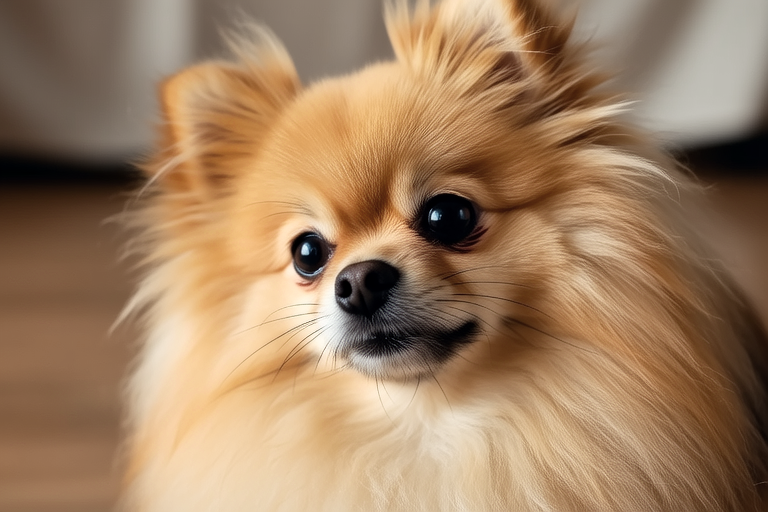
One of the most striking features of Pomeranians is their luxurious double coat. Their outer coat is long, straight, and harsh, while their undercoat is soft and dense. This coat comes in a variety of colors, including orange, black, cream, brown, and even more exotic shades like chocolate and blue. Their fluffy tails curl over their backs, adding to their adorable appearance. Their expressive faces, with dark, almond-shaped eyes and erect, pointed ears, make them look perpetually curious and alert.
Temperament, Intelligence, and Health
Pomeranians are known for their lively and spirited personalities. They are incredibly loyal and affectionate towards their families, often forming strong bonds with one person. However, they can be somewhat reserved around strangers, making them good watch dogs due to their tendency to bark at unfamiliar noises or people. Despite their small size, they are full of energy and require regular mental and physical stimulation to keep them happy and healthy.
Intelligence is another hallmark of the Pomeranian breed. They are quick learners and enjoy training sessions, which can help channel their energy into positive behaviors. However, their independent streak means they can sometimes be stubborn, so consistent and patient training methods are essential. Positive reinforcement works best with this breed, rewarding good behavior with treats and praise.
Like all breeds, Pomeranians are prone to certain health issues. Common problems include luxating patellas (dislocated kneecaps), tracheal collapse, and dental disease. Regular veterinary check-ups are crucial to catch any potential health issues early. Additionally, their small size makes them susceptible to hypoglycemia, especially in puppies, so it’s important to monitor their diet and provide frequent, small meals.
Grooming, Exercise, and Diet
Grooming a Pomeranian requires dedication due to their thick double coats. Brushing them several times a week helps prevent matting and keeps their fur healthy. Bathing should be done only when necessary, as frequent bathing can strip their coat of its natural oils. During shedding season, daily brushing may be required to manage loose hair. Professional grooming every few months is also recommended to maintain their coat’s appearance.
Despite their small size, Pomeranians need regular exercise to stay fit and mentally stimulated. Daily walks, playtime, and interactive toys are great ways to ensure they get enough physical activity. It’s important to note that they can become easily overheated due to their dense coats, so exercise should be adjusted accordingly during hot weather. Indoor games, such as hide-and-seek or fetch, can be just as effective as outdoor activities.
Diet plays a significant role in maintaining a Pomeranian’s health. High-quality dog food designed for small breeds is ideal, providing the necessary nutrients without excessive calories. Avoid feeding them table scraps or human foods, as some can be toxic to dogs. Consult your veterinarian to determine the appropriate portion sizes based on your Pom’s age, weight, and activity level. Fresh water should always be available to keep them hydrated.
Selecting the Right Pomeranian
Choosing the right Pomeranian involves more than just picking a cute puppy. Selecting a reputable breeder is crucial to ensure your new companion is healthy and well-socialized. Look for breeders who participate in health testing and provide documentation of their dogs’ clearances. Visiting the breeder’s home and meeting the parents can give you insight into the puppy’s background and temperament.
Early socialization is vital for Pomeranians to develop into well-adjusted adults. Exposing them to various environments, people, and other animals from a young age helps prevent fearfulness and aggression. Reputable breeders typically start this process before puppies leave for their new homes. Once you bring your new Pom home, continue socializing them by taking them on car rides, visiting friends, and attending puppy classes.
The Bond Between Humans and Pomeranians
The bond between humans and Pomeranians is special and profound. These tiny companions offer unconditional love and companionship, becoming cherished members of the family. Their playful and affectionate nature makes them excellent pets for individuals or families looking for a devoted friend. While they may not be suitable for everyone due to their high maintenance needs, those who choose to share their lives with a Pomeranian often find themselves enriched by the joy and loyalty these little dogs bring.
In conclusion, Pomeranians are more than just pretty faces; they are intelligent, loyal, and loving companions. By understanding their origins, temperaments, and specific care requirements, you can provide the best possible life for your new furry friend. With proper care, training, and love, your Pomeranian will bring years of happiness and companionship to your home.
