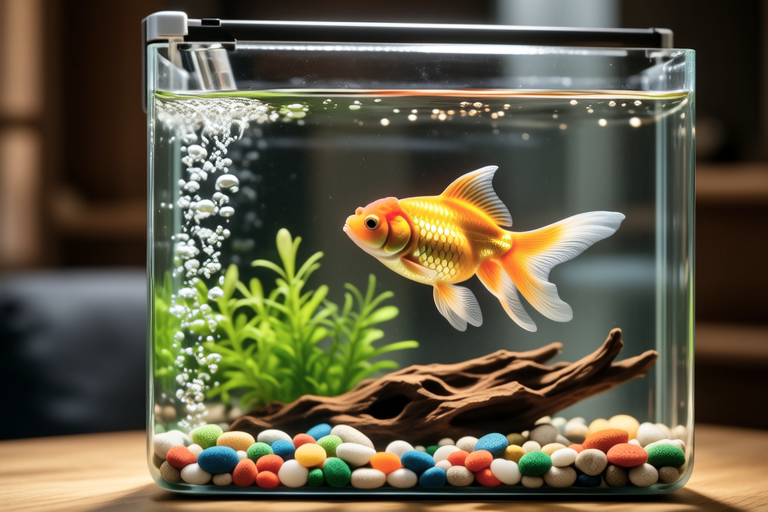
How to Create the Ultimate Habitat for Your Goldfish
Welcome to the fascinating world of goldfish keeping! These vibrant and playful creatures have been cherished by aquarium enthusiasts for centuries. Creating the ultimate habitat for your goldfish involves understanding their needs and providing an environment that supports their health and happiness. This guide will walk you through the essential elements required to establish and maintain a thriving goldfish tank.
Choosing the Right Tank Size
The first step in setting up your goldfish’s home is selecting an appropriately sized tank. Contrary to popular belief, goldfish are not small fish; they can grow quite large, sometimes reaching lengths of 12 inches or more. For a single goldfish, a minimum tank size of 20 gallons is recommended. However, if you plan to keep multiple goldfish, aim for at least 20 gallons per fish. Larger tanks provide ample space for swimming and reduce stress, which is crucial for their well-being.
Water Quality Maintenance: Filtration, Temperature, and pH Levels
Maintaining optimal water conditions is paramount for your goldfish’s health. A good filtration system is essential as it helps remove waste and excess food, ensuring clean and clear water. Choose a filter that provides at least four times the volume of the tank in turnover per hour. For instance, a 20-gallon tank would need a filter capable of processing 80 gallons per hour.
Temperature control is another critical factor. Goldfish prefer cooler waters, ideally between 68°F and 74°F (20°C and 23°C). Avoid placing the tank near windows or direct sunlight to prevent overheating. An aquarium heater with a thermostat can help maintain consistent temperatures, especially during colder months.
pH levels should be kept within the range of 6.5 to 8.0. Regular testing with a reliable pH test kit will ensure stability. If necessary, you can adjust the pH by using products specifically designed for this purpose, but always follow the manufacturer’s instructions carefully.
Suitable Decorations and Plants for Enrichment
In addition to providing a functional living space, decorating your tank can enhance its aesthetic appeal while also enriching your goldfish’s environment. Live aquatic plants offer numerous benefits, including oxygen production and natural filtration. Java moss, anacharis, and hornwort are excellent choices for goldfish tanks due to their hardiness and ability to thrive under moderate lighting conditions.
Artificial decorations such as caves, castles, and tunnels can add visual interest and provide hiding spots for your fish. However, avoid sharp edges or small openings where your goldfish might get stuck. Floating plants like duckweed can also be beneficial, as they help diffuse light and create a more natural atmosphere.
Feeding Guidelines
Proper nutrition is vital for maintaining your goldfish’s health and vitality. A balanced diet typically consists of high-quality flake foods, pellets, and occasional treats like frozen bloodworms or brine shrimp. Feed your goldfish twice daily, offering only what they can consume within a few minutes to prevent overfeeding.
It’s important to note that goldfish are omnivores and require a varied diet. Supplement their regular feedings with fresh vegetables such as zucchini, peas, or lettuce. Ensure these are blanched or boiled beforehand to make them easier to digest. Overfeeding can lead to poor water quality and obesity, so monitor your fish’s eating habits closely.
Common Mistakes to Avoid
Even experienced aquarists occasionally overlook certain aspects of goldfish care. Here are some common pitfalls to watch out for:
- Overcrowding: Keep in mind the recommended tank sizes per fish to prevent overcrowding, which can lead to stress and disease.
- Inadequate filtration: Insufficient filtration can result in poor water quality, causing health issues for your goldfish.
- Improper temperature regulation: Fluctuations in water temperature can weaken your fish’s immune system, making them more susceptible to illnesses.
- Lack of enrichment: Providing adequate hiding places and stimulation through toys or plants can reduce stress and promote healthier behavior.
Regular Monitoring and Adjustments
Creating the perfect habitat for your goldfish requires ongoing effort and attention. Regularly check the water parameters, including ammonia, nitrite, and nitrate levels, using test kits. Perform partial water changes (about 25% weekly) to maintain cleanliness and prevent the buildup of harmful substances.
Observe your goldfish daily for any signs of illness, such as lethargy, abnormal swimming patterns, or changes in coloration. Early detection allows for prompt action and treatment if necessary. Additionally, ensure that all equipment, including filters and heaters, operates correctly and efficiently.
Conclusion
Caring for goldfish is a rewarding endeavor that brings joy and companionship into your life. By following the guidelines outlined in this article—choosing the right tank size, maintaining proper water quality, enriching the environment with suitable decorations and plants, adhering to feeding schedules, and avoiding common mistakes—you can create an ideal habitat for your goldfish. Remember, regular monitoring and adjustments are key to ensuring a healthy and happy aquatic community.
With dedication and love, you’ll enjoy watching your goldfish thrive in their new home. Happy fishkeeping!
