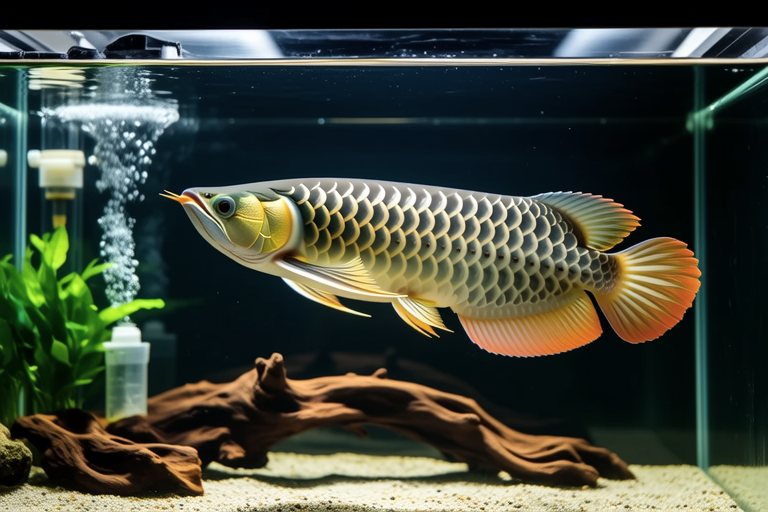
The Ultimate Aquatic Wonder: How to Create the Perfect Habitat for Your Arowana
Arowanas are often regarded as the aquatic wonders of the fish world. Known for their majestic appearance and impressive size, these fish are popular among aquarium enthusiasts. However, successfully keeping arowanas requires a deep understanding of their needs and a commitment to creating an environment that closely mimics their natural habitat. This guide will provide you with all the necessary information to ensure your arowana thrives in captivity.
Understanding Arowana’s Natural Habitat
Arowanas are native to tropical regions of South America, Africa, and parts of Asia. These fish prefer slow-moving rivers, floodplains, and large lakes where they can swim freely. They are known for their ability to leap out of the water to catch prey, making them apex predators in their ecosystems. To replicate this environment in captivity, it is crucial to consider several factors including tank size, water conditions, and tank decoration.
Essential Tank Size and Setup
Arowanas are large fish that require ample swimming space. For a single adult arowana, a tank measuring at least 360 cm (12 feet) in length, 90 cm (3 feet) in width, and 75 cm (2.5 feet) in height is recommended. Smaller tanks may restrict the fish’s movement and lead to stress or poor health. The tank should be equipped with a sturdy lid, as arowanas are known jumpers.
Decorations within the tank should mimic the natural environment. Add driftwood, rocks, and plants to create hiding spots and resting areas. Ensure that decorations are securely placed to prevent injuries from falling objects. Live plants are ideal but may be difficult to maintain due to the fish’s tendency to uproot them. Instead, opt for robust, artificial plants that can withstand the fish’s activity.
Water Parameters: Temperature, pH, Hardness
Maintaining the correct water parameters is crucial for arowanas’ health. The ideal temperature range for most species is between 24°C and 28°C (75°F and 82°F). Use a reliable heater and thermometer to monitor and regulate the temperature. The pH level should be slightly acidic to neutral, around 6.5 to 7.5. Regular water testing is essential to ensure stability.
Water hardness should be kept moderate, ideally between 5 and 15 dGH. Soft water can be achieved by using rainwater or reverse osmosis water mixed with tap water. Hard water can be softened by adding products designed to reduce mineral content. Always perform a water change routine to keep the tank clean and stable.
Filtration and Maintenance
Effective filtration is vital for maintaining water quality. Choose a filter that provides adequate flow without overwhelming the tank. A combination of mechanical, biological, and chemical filtration is recommended. Mechanical filtration removes debris, while biological filtration supports beneficial bacteria that break down harmful substances. Chemical filtration helps remove toxins and excess nutrients.
Regular maintenance is key to keeping the tank healthy. Perform weekly water changes of about 20% to 30% of the total volume. Clean the substrate, decorations, and filter media as needed. Avoid overfeeding, as uneaten food can degrade water quality. Use a siphon to remove waste from the bottom of the tank during water changes.
Appropriate Diet
Arowanas are carnivorous and require a varied diet to thrive. Their natural diet consists of insects, small fish, crustaceans, and other aquatic organisms. In captivity, feed them high-quality pellets designed for predatory fish. Supplement their diet with live or frozen foods such as bloodworms, brine shrimp, and small feeder fish. Feed once or twice daily, providing only what the fish can consume within a few minutes to prevent waste.
Ensure that the food is appropriately sized for the arowana’s mouth. Overfeeding can lead to obesity and health issues. Rotate the types of food to ensure a balanced diet and prevent nutritional deficiencies.
Lighting Requirements
Proper lighting is important for both the fish’s well-being and the growth of any live plants. Arowanas generally prefer subdued lighting conditions similar to their natural habitat. Use a full-spectrum LED light with adjustable brightness levels. Provide 8 to 10 hours of light per day, simulating natural daylight cycles. This will help maintain the fish’s circadian rhythm and promote overall health.
Consider the directionality of the light source. Place the light so that it shines from above, mimicking sunlight filtering through the water. Avoid placing the light directly on top of the tank, as this can cause excessive heat buildup and affect water temperature.
Tips for Ensuring Health and Longevity
To ensure the health and longevity of your arowana, pay close attention to several key aspects:
- Stress Reduction: Keep tankmates to a minimum and avoid overcrowding. Aggressive or territorial tankmates can cause stress, leading to health problems.
- Monitoring Behavior: Observe the fish regularly for signs of distress, such as lethargy, loss of appetite, or unusual swimming patterns. Early detection of health issues allows for prompt intervention.
- Handling with Care: When moving the fish, use a soft net and handle gently to avoid injury. Minimize handling to reduce stress.
- Gradual Acclimation: When introducing new fish or making significant changes to the tank, acclimate them gradually to minimize shock.
For beginners, setting up a proper habitat for arowanas may seem daunting. However, with careful planning and attention to detail, you can create a thriving environment for these magnificent creatures. Experienced aquarists can benefit from this guide by refining their techniques and ensuring they are providing the best care possible.
In conclusion, creating the perfect habitat for your arowana involves replicating their natural environment as closely as possible. By focusing on tank size, water parameters, filtration, diet, and lighting, you can ensure your arowana leads a long, healthy life. With dedication and knowledge, you can enjoy the beauty and grace of these aquatic wonders in your own home.
