Meet the Colorful Coral Shrimp: Nature’s Tiny Aquatic Beauties
The world of marine life is brimming with fascinating creatures, each contributing uniquely to the vibrant ecosystems that thrive beneath the waves. Among these, the coral shrimp stands out as a true gem of the ocean. Known for their striking colors and vital roles within aquatic communities, these tiny beauties have captured the hearts of marine enthusiasts and scientists alike. This article aims to introduce you to the colorful coral shrimp, exploring their physical attributes, habitats, behaviors, and significance in reef environments.
An Introduction to the Coral Shrimp
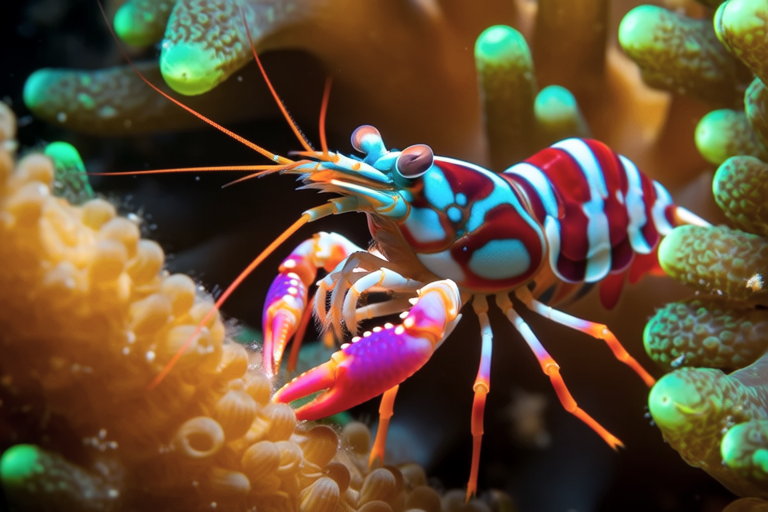
Coral shrimps are small crustaceans that display a stunning array of colors, from vibrant reds and oranges to deep purples and blues. Their vivid hues serve not only as a visual delight but also play crucial roles in their survival. These colors can act as camouflage, helping them blend into the complex tapestry of coral reefs, or as signals to potential mates. Their presence adds an aesthetic dimension to underwater landscapes, making them a favorite subject for photographers and divers.
In addition to their beauty, coral shrimps are essential components of marine ecosystems. They contribute to the health of coral reefs by maintaining cleanliness through their scavenging activities and acting as natural cleaners for larger fish. This symbiotic relationship ensures the vitality of both the shrimp and the reef environment.
Physical Characteristics
Coral shrimps are typically small, ranging from 2 to 3 centimeters in length. Their bodies are elongated, with six pairs of legs and three body segments: the cephalothorax (head and thorax fused together), abdomen, and tail fan. The cephalothorax is protected by a hard exoskeleton, which they periodically shed to grow. Each segment is covered in fine hairs called setae, which help them sense their surroundings.
One of the most striking features of coral shrimps is their coloration. Depending on the species, they can exhibit a wide spectrum of colors, including shades of red, orange, blue, purple, and even green. These colors are produced by pigments in their exoskeleton and specialized cells called chromatophores, which can change the intensity and pattern of the colors in response to environmental stimuli or mood changes.
Habitat Preferences
Coral shrimps are primarily found in tropical and subtropical waters, thriving in the warm, clear seas around coral reefs. They prefer shallow waters, where light penetrates easily, allowing for the growth of algae and other organisms upon which they feed. The complexity of coral reefs provides numerous hiding spots and food sources, making it an ideal habitat for these shrimp.
Within these reefs, coral shrimps are often seen perched on coral branches, sea fans, or sponges. They are highly adaptable and can be found in various types of coral environments, including hard corals, soft corals, and even seagrass beds. Their ability to thrive in different conditions underscores their importance in maintaining the biodiversity of marine ecosystems.
Behaviors and Social Structure
Coral shrimps are generally solitary creatures, though they may gather in groups when feeding or mating. During the day, they remain hidden among the nooks and crannies of coral structures, emerging at night to forage for food. Their diet consists mainly of detritus, algae, and small invertebrates, which they consume using their sharp mandibles.
When it comes to reproduction, coral shrimps follow a simple yet effective strategy. Males and females engage in courtship rituals, involving displays of color and movement, before mating. After fertilization, the female carries the eggs under her abdomen until they hatch. The larvae then drift with ocean currents, eventually settling on suitable substrates to continue their lifecycle.
Importance in Reef Environments
The role of coral shrimps in reef ecosystems cannot be overstated. As natural cleaners, they remove debris and parasites from larger fish, promoting good health and reducing the risk of disease outbreaks. This mutualistic relationship benefits both parties, ensuring the survival of both the shrimp and the fish.
Moreover, coral shrimps contribute to nutrient cycling within the reef. By consuming dead organic matter and excreting waste products, they facilitate the transfer of nutrients between different levels of the ecosystem. This process supports the growth of algae and other primary producers, which form the foundation of the food web.
Unique Adaptations
Coral shrimps have evolved several remarkable adaptations that enable them to thrive in their challenging marine environment. One such adaptation is their ability to regenerate lost limbs. If a shrimp loses a leg during a confrontation or accident, it can regrow the limb over time. This regenerative capacity ensures their survival even after traumatic events.
Another notable adaptation is their highly developed sensory system. Coral shrimps possess specialized antennae that allow them to detect chemical signals in the water, helping them locate food and avoid predators. Additionally, their eyes are well-adapted to low-light conditions, enabling them to navigate and hunt effectively at night.
Tips for Aquarium Enthusiasts
For those interested in keeping coral shrimps in home aquariums, there are several factors to consider to ensure their well-being. First and foremost, providing an appropriate environment is crucial. A well-maintained reef tank with live rock and ample hiding places will mimic their natural habitat and promote stress-free living.
Feeding coral shrimps is relatively straightforward, as they are omnivorous and can thrive on a variety of foods, including algae wafers, frozen brine shrimp, and blanched vegetables. It is important to offer a balanced diet to support their growth and overall health. Regular water changes and proper filtration are also essential to maintain water quality and prevent disease.
Compatibility with other species is another important consideration. Coral shrimps generally get along well with peaceful fish and invertebrates, making them excellent additions to community tanks. However, they should be housed separately from aggressive or predatory species that might pose a threat.
Lastly, patience is key when introducing new coral shrimps to an established tank. Allow them time to acclimate to their new surroundings and establish territories. With proper care and attention, coral shrimps can become delightful and rewarding inhabitants of your aquarium.
Conclusion
The colorful coral shrimp is a testament to the wonders of marine life. From their vibrant colors and unique adaptations to their critical roles in reef ecosystems, these tiny beauties captivate both the imagination and the heart. Whether observed in their natural habitats or cared for in home aquariums, coral shrimps remind us of the intricate balance that sustains our oceans.
